

Introduction
Sciatica pain can affect daily life by causing sharp pain, burning, numbness, or tingling that runs from the lower back down the leg. Many people rely only on painkillers, which may give short-term relief but do not help the nerve heal. A common issue is lack of awareness about how nutrition supports nerve health. Research and clinical experience show that 3 vitamins for sciatica pain can help support nerve repair, reduce inflammation, and improve overall nerve function when used correctly along with proper care.
What Is Sciatica and Why Does It Cause Nerve Pain?
Sciatica happens when the sciatic nerve becomes irritated or compressed. This nerve is the longest nerve in the body and controls feeling and movement in the legs. When pressure is placed on this nerve, pain signals travel down its path.
Common causes include:
- Slipped or herniated disc
- Poor posture
- Long sitting hours
- Muscle tightness
- Spinal narrowing
Because sciatica involves nerve irritation, nutrients that support nerve health become very important.
Why Vitamins Matter for Sciatic Nerve Health
Vitamins help nerves repair damage, send signals properly, and reduce inflammation. They do not replace medical treatment, but they support the body’s natural healing process. This is why doctors often recommend nutritional support along with physical therapy and lifestyle changes.
Understanding 3 vitamins for sciatica pain helps people choose safer, long-term support instead of relying only on medications.
Vitamin B12: Supports Nerve Repair and Strength
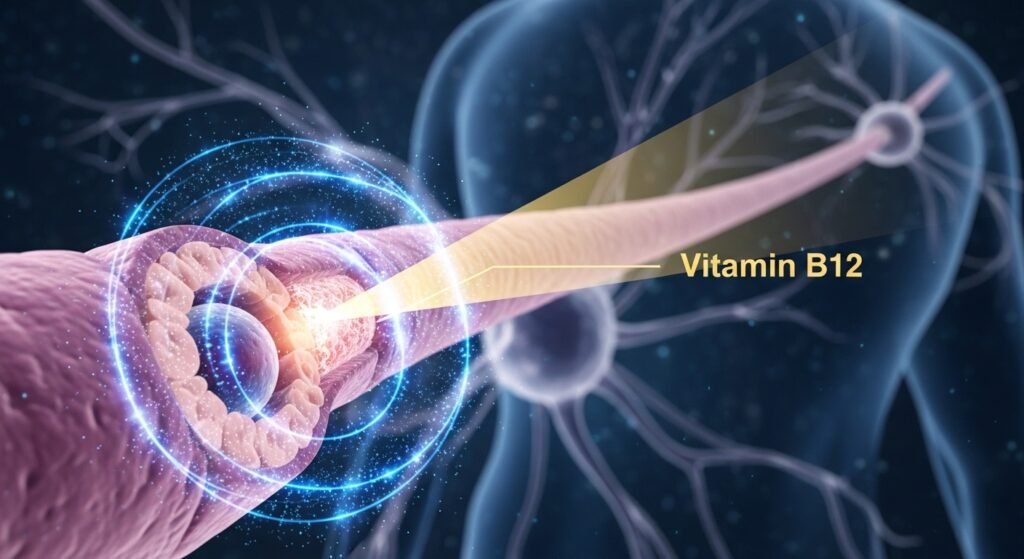
How Vitamin B12 Works
Vitamin B12 helps rebuild the protective coating around nerves, known as the myelin sheath. When this coating is weak, nerve pain, tingling, and numbness can increase.
Benefits for Sciatic Nerve Pain
- Helps repair damaged nerves
- Reduces tingling and numbness
- Improves nerve signal transmission
- Supports muscle control
This vitamin is often listed among the best vitamins for sciatica pain, especially for people with deficiency.
Food Sources
- Eggs
- Fish
- Dairy products
- Meat
- Fortified cereals
Recommended Dosage
- Daily need: 2.4 mcg
- Nerve support dose: 500–1000 mcg (doctor advised)
Safety
Vitamin B12 is generally safe because excess amounts leave the body through urine.
Vitamin B6: Improves Nerve Communication
Why Vitamin B6 Is Important
Vitamin B6 helps nerves communicate properly by supporting neurotransmitters. It also helps control nerve inflammation.
Benefits
- Supports healthy nerve signals
- Helps reduce nerve irritation
- Works well with other B vitamins
Vitamin B6 is commonly included in vitamins for sciatic nerve pain formulas.
Food Sources
- Bananas
- Potatoes
- Chickpeas
- Poultry
- Whole grains
Recommended Dosage
- Daily need: 1.3–1.7 mg
- Support dose: 25–50 mg
Safety
Taking very high doses for a long time may irritate nerves, so moderation is important.
Vitamin D: Reduces Inflammation and Pain Sensitivity
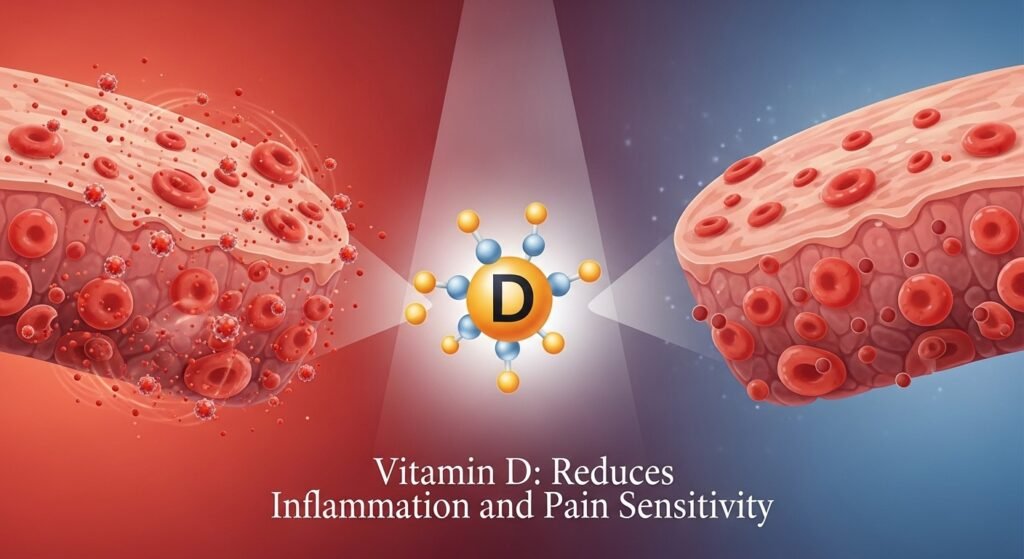
Role of Vitamin D
Vitamin D supports bone health, muscle strength, and immune balance. Low vitamin D levels are linked with chronic pain conditions.
Benefits for Sciatica
- Reduces inflammation around nerves
- Improves muscle support for the spine
- Helps lower pain sensitivity
Vitamin D is often part of sciatica pain relief vitamins plans.
Sources
- Sunlight
- Fatty fish
- Egg yolks
- Fortified milk
Recommended Dosage
- General range: 600–2000 IU
- Based on blood levels
Safety
Vitamin D builds up in the body, so testing is recommended before high-dose use.
How These Vitamins Work Together
Each vitamin supports a different part of nerve health:
- Vitamin B12 repairs nerve structure
- Vitamin B6 improves nerve messaging
- Vitamin D lowers inflammation
This combined approach is why 3 vitamins for sciatica pain are often recommended together instead of individually.
Other Nutrients That Support Nerve Pain
Along with vitamins, some nutrients help support recovery:
- Magnesium for muscle relaxation
- Omega-3 fatty acids for inflammation
- Vitamin E for nerve protection
These nutrients are often found in vitamins for nerve pain sciatica supplements or balanced diets.
Who Should Consider Vitamin Support?
You may benefit from vitamin support if you:
- Have long-term sciatica pain
- Experience numbness or tingling
- Sit for long hours
- Have low vitamin levels
- Follow a poor or restricted diet
Vitamin support works best when deficiencies are present.
Safety Tips Before Taking Supplements
- Always check with a healthcare provider
- Avoid very high doses
- Do not replace medical treatment
- Focus on diet first
Vitamins are supportive tools, not instant cures.
Lifestyle Habits That Improve Results
Vitamins work better when combined with:
- Light stretching
- Walking
- Proper posture
- Adequate sleep
- Healthy weight management
These habits reduce pressure on the sciatic nerve.
Conclusion
Sciatica pain can be frustrating, but long-term improvement often comes from supporting nerve health, not just masking pain. The 3 vitamins for sciatica pain—Vitamin B12, Vitamin B6, and Vitamin D—help repair nerves, reduce inflammation, and improve nerve function when used safely. Combined with healthy habits and medical guidance, they can become an important part of sciatica management and recovery.