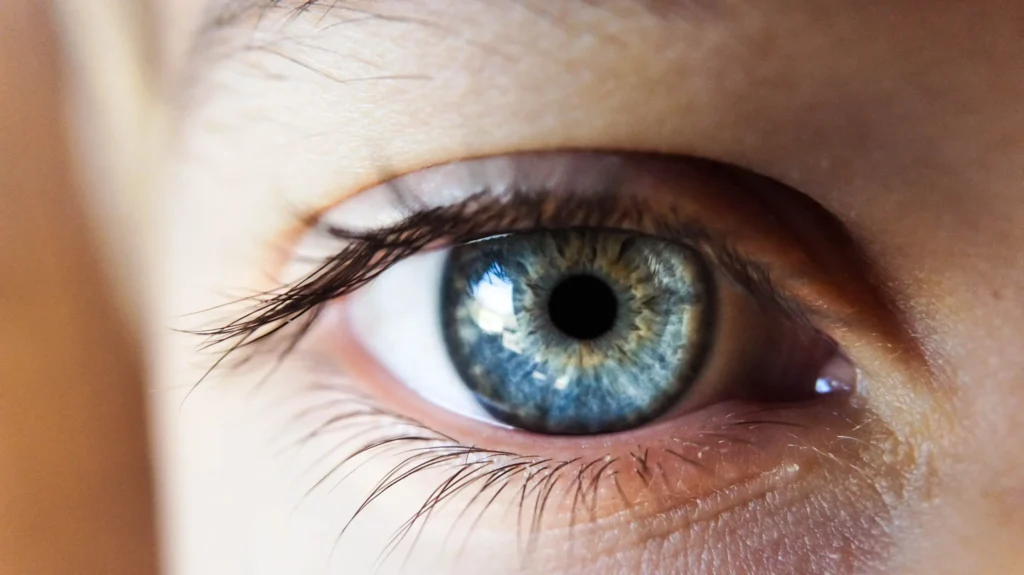

Many people think about Eye Health only when their vision becomes blurry or their eyes start hurting. However, healthy vision requires regular care even when your eyes feel perfectly normal. Some eye diseases develop without noticeable warning signs, which makes preventive care especially important. A combination of nutritious food, regular physical activity, screen breaks, UV protection, good hygiene, and comprehensive eye exams can help protect your vision over time. The National Eye Institute (NEI) and CDC both emphasize that everyday health habits can play an important role in maintaining healthy eyes.
What Is Eye Health?
Eye Health refers to the condition and proper functioning of your eyes and vision. Good eye health allows you to see clearly, recognize colors and objects, read, drive, work, and perform everyday activities comfortably.
Eye health can change because of aging, genetics, injuries, lifestyle factors, and medical conditions. Diabetes and high blood pressure, for example, can increase the risk of certain eye problems. Family history can also matter because some eye diseases can run in families.
Taking care of your eyes therefore involves more than choosing the right glasses. It also means protecting your overall health and recognizing potential problems early.
Why Regular Eye Exams Matter
One of the most important steps for better Eye Health is having comprehensive eye examinations when recommended by an eye-care professional.
A dilated eye exam can identify certain eye diseases before noticeable symptoms appear. The examination allows an eye-care professional to examine structures inside the eye and look for signs of conditions such as glaucoma, diabetic eye disease, and age-related macular degeneration.
How often you need an examination depends on factors such as your age, medical history, family history, and risk of eye disease. People with diabetes or high blood pressure may need more frequent monitoring.
Regular examinations can also identify common vision problems that may benefit from glasses, contact lenses, or other treatment.
Eat Foods That Support Healthy Eyes
Nutrition plays an important role in overall Eye Health. Instead of relying on a single “superfood,” focus on a varied, balanced diet.
Dark leafy vegetables such as spinach, kale, and collard greens provide nutrients that support healthy vision. Fish such as salmon, tuna, and trout provides omega-3 fatty acids and can be part of an eye-friendly eating pattern. Fruits and other vegetables also provide vitamins, minerals, and other beneficial nutrients.
A practical approach is to fill your meals with different colors and food groups rather than depending on supplements or one particular ingredient.
Protect Your Eyes From UV Rays
Sun exposure affects more than your skin. Ultraviolet radiation can also harm your eyes.
When spending time outdoors, choose sunglasses that block 99% to 100% of UVA and UVB radiation. A wide-brimmed hat can provide additional protection, especially during extended periods outside.
Sunglasses can be useful even when the weather does not seem particularly bright because UV exposure can occur outdoors under different conditions.
Give Your Eyes Regular Screen Breaks
Phones, computers, tablets, and other digital devices are now part of everyday life. Long periods of concentrated screen use can contribute to tired or strained eyes, particularly when you focus on one distance for an extended period.
The CDC and NEI recommend the 20-20-20 rule: approximately every 20 minutes, look at something about 20 feet away for 20 seconds. Taking these short breaks gives your eyes an opportunity to relax.
You can also adjust your screen position, reduce distracting glare, and remember to blink regularly while working.
Keep Contact Lenses Clean
Contact lenses provide convenient vision correction, but they require careful hygiene. Always wash your hands before handling lenses and follow the cleaning, storage, replacement, and wearing instructions provided by your eye-care professional.
Poor contact-lens hygiene can increase the risk of eye infections. Never ignore unusual redness, pain, discharge, or sudden vision changes while wearing contact lenses.
If your eyes repeatedly become uncomfortable while using contacts, discuss the problem with an eye-care professional rather than simply changing products yourself.
Wear Protective Eyewear
Eye injuries can happen during sports, home repairs, gardening, construction, laboratory work, and other activities. Appropriate protective eyewear can reduce the risk of injury.
Safety glasses, goggles, or specialized protective equipment should match the activity. The CDC specifically recommends protective eyewear for activities that could expose the eyes to flying particles, chemicals, or other hazards.
This simple precaution can be especially important because some eye injuries can cause permanent vision damage.
Avoid Smoking
Smoking affects more than lung health. It can also increase the risk of serious eye conditions.
According to the CDC, smoking is associated with a higher risk of age-related macular degeneration, cataracts, and optic nerve damage. Quitting smoking can therefore be an important part of protecting long-term vision.
If you smoke and want to quit, consider speaking with a healthcare professional about evidence-based cessation support.
Manage Your Overall Health
Your eyes are connected to the rest of your body. Maintaining a healthy weight, staying physically active, managing blood pressure, and controlling blood sugar when necessary can all contribute to better overall health and may reduce risks associated with certain eye conditions.
For people living with diabetes, regular eye monitoring is particularly important because diabetic eye disease can cause vision loss.
Healthy lifestyle choices should therefore be viewed as part of a broader Eye Health strategy rather than as isolated habits.
Know the Warning Signs
Some eye diseases develop silently, but noticeable changes in vision should never be ignored.
Contact an eye-care professional if you experience symptoms such as:
- Sudden or persistent blurred vision
- Eye pain
- Significant redness or swelling
- Double vision
- New flashes of light
- A sudden increase in floaters
- Unusual halos around lights
- Difficulty seeing clearly
The CDC recommends professional evaluation for these types of symptoms because they can sometimes indicate an eye condition requiring attention.
Sudden changes in vision, especially when severe or accompanied by pain, require prompt medical attention.
Make Eye Health Part of Your Daily Routine
Protecting your vision does not require complicated routines. Eat a balanced diet, stay physically active, take regular screen breaks, wear UV-protective sunglasses, use appropriate protective eyewear, practice good contact-lens hygiene, avoid smoking, and schedule eye examinations according to your individual needs.
Most importantly, do not wait for serious symptoms before thinking about Eye Health. Many eye conditions can develop quietly, while early detection may provide an opportunity for treatment or management before significant vision loss occurs.
Healthy eyes support independence, productivity, learning, and quality of life. A few consistent habits today can help you protect your vision for the years ahead.