
Introduction
In today’s fast-moving work environment, one major problem surfaces again and again: poor mental health due to chronic stress and high demands. When you work long hours, juggle heavy workloads and struggle to switch off, your emotional well-being takes a hit. The good news? You can take concrete steps now to improve your situation — using practical mental wellness tips, strengthening your stress and anxiety management, focusing on self-care for mental health, and promoting mental health awareness in your workplace. In this article we’ll unpack how to recognise the challenge, what you can do individually, and how your organisation can support you, so you can protect your mental health while thriving at work.
Understanding the Problem: Why Work Impacts Mental Health
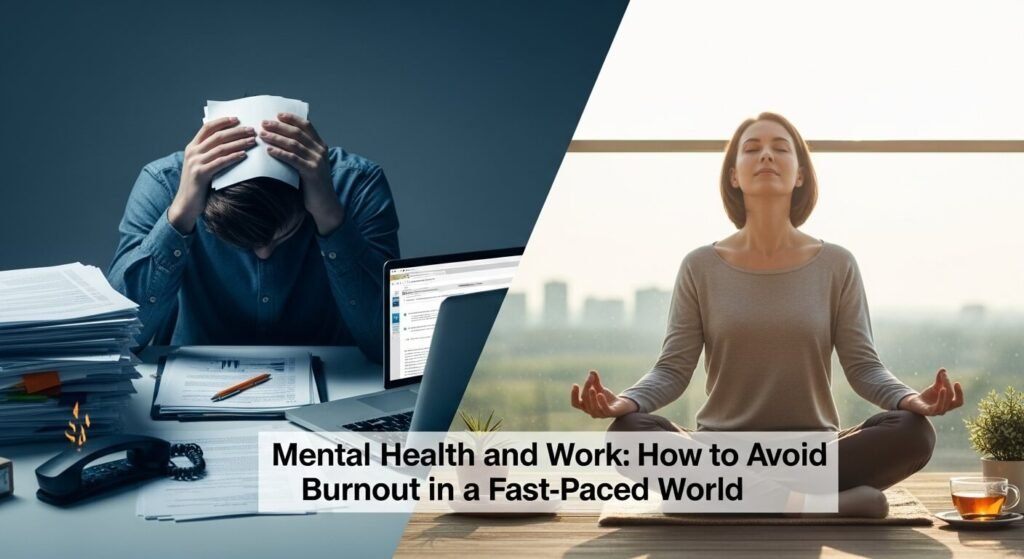
Work can be rewarding — it gives purpose, income, and connection. But when demands out‐pace your capacity, or you lack support, your mental health suffers. Burnout is one of the clearest signs of this imbalance. According to National Alliance on Mental Illness (NAMI), burnout is defined by exhaustion, cynicism towards work, and reduced performance.
For many employees, the line between work and rest blurs. That leads to long‐term stress, which affects emotional well-being, triggers anxiety, lowers resilience, and erodes mental health.
Putting a spotlight on the problem is the first step — knowing how work can hurt your mental wellness helps you choose solutions proactively.
Recognising the Signs (Mental Health Awareness)
Before you can act, you need to recognise that something is off. Here are common signs tied to work and mental health:
- Persistent fatigue or emotional exhaustion, even after rest.
- Loss of interest in tasks you once found meaningful, or growing cynicism.
- Decreased performance despite increased effort — you’re busy, but not feeling effective.
- Trouble switching off after work, blurred boundaries between home and job.
- Physical symptoms: disturbed sleep, irritability, headaches, or withdrawal.
By improving your mental health awareness, you give yourself the chance to intervene early — before burnout becomes entrenched.
Work-Life Balance & Stress and Anxiety Management
A key pillar of supporting your mental health at work is managing the demands and giving yourself sufficient recovery.
Why this matters
Workplace stress and anxiety aren’t just “normal”; they erode your resilience and mental wellness over time. According to the World Health Organization, burnout arises when chronic workplace stress is not managed.
Strategies you can use
- Set clear boundaries: Define when work starts and stops. Even if you’re remote, treat your workspace like you would an office — create an end time for the day.
- Take regular breaks: Short, intentional breaks help you recover mentally and physically. Stand up, stretch, walk briefly.
- Manage your workload: If demands are too high, talk to your manager. Prioritise tasks, delegate where possible.
- Adopt stress-management routines: Deep breathing, mindfulness, short walks — these help you calm anxiety and support your emotional well-being.
- Ensure personal time: Outside of work, engage in activities that recharge you. Protect your evenings and weekends.
When you actively manage your work demands and invest in recovery, you strengthen your ability to maintain good mental health.
Mental Wellness Tips for Everyday Life
Supporting your mental health isn’t only about reducing negatives; it’s also about building positives. Here are useful mental wellness tips you can weave into your life:
- Strong relationships matter: Talk to friends, family or colleagues. Feeling connected supports resilience.
- Stay physically active: Regular movement improves mood, sleep and stress‐resilience. Even desk stretches will help.
- Engage your brain: Learning new things, taking on interesting tasks or hobbies keeps you mentally stimulated and supports emotional-well-being.
- Kindness and purpose: Helping others or doing things you find meaningful improves your emotional energy and overall wellness.
- Enjoy nature or hobbies: Time away from screens, with fresh air or just doing something enjoyable, refreshes you and supports your mental health.
These practices build a strong foundation for your mental wellness and help buffer against the tougher days at work.
Emotional Well-being & Self-Care for Mental Health
At the core, one of the most important investments you can make is in your emotional-well-being and self-care for mental health.
What is emotional well-being?
It means being aware of how you feel, understanding why, and responding in ways that support your balance. It’s not just “feeling fine” but managing your emotions, adapating, bouncing back.
Self-care strategies
- Reflect or journal: Spend time understanding your feelings. What stressed you today? What felt good?
- Mindfulness or meditation: Even 5-10 minutes daily helps your mind settle and supports clarity.
- Healthy daily routines: Sleep well, eat balanced meals, limit heavy caffeine or alcohol. Your body and mind are connected.
- Hobbies and downtime: Outside of work, identify what replenishes you — reading, walking, music, time with friends.
- Set personal boundaries: For example, no checking work messages after X pm, or doing one thing for yourself before checking off “just one more task”.
When you prioritise self-care, you protect your emotional well-being and in turn, your overall mental health becomes more resilient.
Workplace Actions & Organisational Support
Your efforts matter — but the workplace environment plays a big role. For sustained mental health awareness, organisations must also step up.
Here are what effective workplaces do:
- Encourage open communication and psychological safety so employees feel safe to speak up about stress or anxiety.
- Provide flexible working arrangements: hybrid models, flexible hours or remote options help employees manage life + work.
- Offer wellness resources: counselling, quiet zones, mindfulness apps, regular check-ins.
- Monitor workloads and psychosocial risks: Ensure tasks are manageable, recovery time is planned, and boundaries are respected.
- Cultivate recognition, connection and relationship building: A culture of appreciation and connection improves emotional-well-being and reduces stress.
- If you are in a leadership role, advocate for these supports—it helps maintain your team’s mental health and performance.
Putting it Together — Your Practical Plan
Here’s a simple, realistic plan to weave all these ideas into your life and protect your mental health at work:
- Weekly check-in: On a set day, ask: “How have I felt this week? What tripped me up? What felt good?”
- Set one boundary: For example: “I won’t check work email after 7 pm” or “I will take a proper lunch break away from my desk.”
- Choose one wellness habit: Maybe schedule a 10-minute walk mid‐afternoon, or five minutes of mindfulness before starting work.
- Schedule recovery time: Make sure one evening you do something purely for yourself (hobby, family time, nature) — no work major tasks.
- Connect with someone: Share how you are feeling with a friend, colleague or manager. If things feel heavy, consider asking for support.
- Review and refine: At the end of the week ask: “What worked? What didn’t? What will I adjust next week?”
- Track one small “win”: Did you take a break? Did you shut off on time? Acknowledge it.
By combining self-care, emotional-well-being actions, work-life boundaries, and leveraging organisational support, you build a sustainable platform for good mental health in a fast-paced world.
Conclusion
Maintaining good mental health isn’t just about avoiding burnout — it’s about thriving, feeling connected, balanced and resilient. In a world where work moves fast and demands can pile up, you have real choices and actions you can take. You can raise awareness of your own well-being, apply mental wellness tips, proactively manage stress and anxiety, care for your emotional well-being and advocate for a workplace that supports you. When you protect your mind, you protect not only your performance but your life outside work — and that matters. Start today, one step at a time.