
Skin bumps in the genital area can be scary and confusing. Many people panic and think they have a sexually transmitted infection, while others ignore the symptoms and delay treatment. The real problem is not knowing the difference between two common conditions. The good news is that understanding folliculitis versus herpes helps you identify symptoms early and choose the right treatment. With proper diagnosis, both conditions can be managed effectively and safely.
Understanding the Basics
Before comparing symptoms and treatments, it is important to understand what each condition means.
What Is Folliculitis?
Folliculitis is a common skin condition. It happens when hair follicles become inflamed due to bacteria, fungus, irritation, or ingrown hairs. It can appear anywhere on the body where hair grows, including:
- Face
- Scalp
- Chest
- Back
- Legs
- Genital area
It often looks like small red or white pimples around hair follicles.
Common causes include:
- Shaving or waxing
- Tight clothing
- Sweating
- Poor hygiene
- Hot tubs (bacterial infection)
Folliculitis is usually mild and not sexually transmitted.
What Is Herpes?
Herpes is a viral infection caused by the herpes simplex virus (HSV). There are two main types:
- HSV-1 (often causes oral herpes)
- HSV-2 (commonly causes genital herpes)
Herpes spreads through skin-to-skin contact, especially during sexual activity. It causes painful blisters or sores that may come back over time.
Understanding folliculitis versus herpes starts with knowing that one is usually bacterial or irritation-based, while the other is viral.
Folliculitis vs Herpes Symptoms
Many people search for folliculitis vs herpes symptoms because both can look similar at first glance. However, there are key differences.
Symptoms of Folliculitis
- Small red or white bumps
- Pimples centered around hair follicles
- Mild itching
- Slight tenderness
- Pus-filled bumps
- Usually no fever
The bumps often appear after shaving or friction.
Symptoms of Herpes
- Painful fluid-filled blisters
- Burning or tingling before outbreak
- Sores that break open and crust
- Swollen lymph nodes
- Fever (during first outbreak)
- Pain during urination (if genital)
Herpes blisters are usually grouped together and very painful.
When comparing folliculitis versus herpes, pain level is often a major difference. Herpes tends to be more painful.
Difference Between Folliculitis and Herpes
The difference between folliculitis and herpes becomes clearer when you compare cause, appearance, and recurrence.
| Feature | Folliculitis | Herpes |
| Cause | Bacteria, fungus, irritation | Virus (HSV) |
| Pain Level | Mild | Moderate to severe |
| Blisters | Rare | Common |
| Recurrence | Usually no | Yes, recurring outbreaks |
| Spread | Not sexually transmitted | Sexually transmitted |
| Healing Time | Few days to 1 week | 2–4 weeks |
Another key difference in folliculitis versus herpes is recurrence. Herpes tends to come back, while folliculitis usually clears with treatment.
Is It Folliculitis or Herpes?
Many people ask, is it folliculitis or herpes? Here are some guiding questions:
- Did it appear after shaving? (More likely folliculitis)
- Are the bumps painful and grouped? (More likely herpes)
- Do you feel tingling before sores appear? (Common in herpes)
- Are bumps centered on hair follicles? (Folliculitis)
However, self-diagnosis is not always accurate. A doctor may perform:
- Physical examination
- Swab test
- Blood test
- Viral culture
Professional diagnosis is important when symptoms are unclear.
Folliculitis or Herpes Bumps: Visual Differences
When comparing folliculitis or herpes bumps, visual clues help.
Folliculitis Bumps:
- Round pimples
- Often have a visible hair in center
- Spread evenly
- Not deeply ulcerated
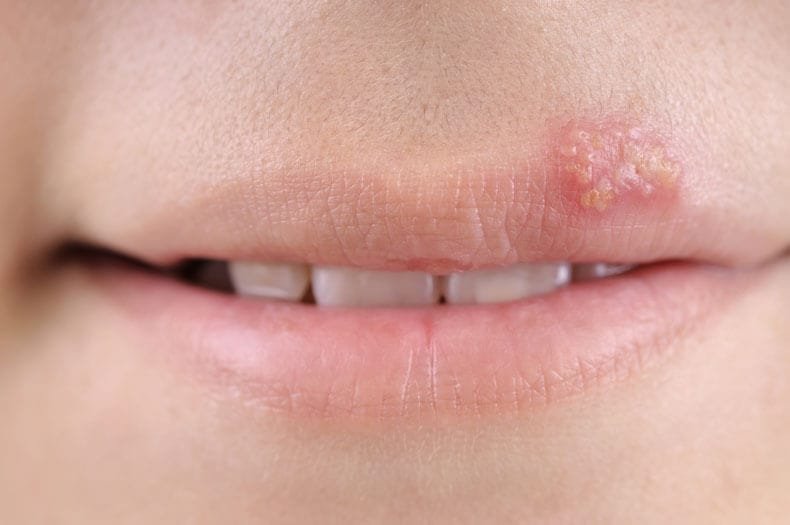
Herpes Bumps:
- Clustered blisters
- Filled with clear fluid
- Break open into painful sores
- May scab during healing
In folliculitis versus herpes, the presence of clear fluid-filled blisters strongly suggests herpes.
Treatment Options Compared
Now let’s compare treatment strategies clearly and simply.
Treatment for Folliculitis
Most cases are mild and improve on their own.
Home Remedies
- Warm compress
- Gentle antibacterial soap
- Avoid shaving
- Wear loose clothing
Medical Treatment
- Topical antibiotic creams
- Oral antibiotics (for severe cases)
- Antifungal medication (if fungal cause)
Folliculitis usually clears within 7–10 days.
Treatment for Herpes
There is no cure for herpes, but treatment reduces symptoms.
Antiviral Medications
Doctors may prescribe:
- Acyclovir
- Valacyclovir
- Famciclovir
These medications:
- Shorten outbreak duration
- Reduce pain
- Lower transmission risk
Early treatment is very important in managing folliculitis versus herpes effectively when diagnosis confirms herpes.
Pain Management
Folliculitis:
- Usually mild discomfort
- Over-the-counter pain relievers work well
Herpes:
- Cold compress
- Pain relievers
- Antiviral medication
- Sitz baths for genital herpes
Pain control is often more necessary in herpes cases.
Complications and Risks
Understanding risks helps in comparing folliculitis versus herpes properly.
Folliculitis Complications
- Skin discoloration
- Scarring (rare)
- Spread of infection (rare)
Herpes Complications
- Recurrent outbreaks
- Psychological stress
- Increased HIV risk
- Neonatal herpes (during pregnancy)
Herpes carries more long-term implications than folliculitis.
Prevention Strategies
Prevention depends on the condition.
Preventing Folliculitis
- Avoid tight clothing
- Use clean razors
- Shave in direction of hair growth
- Maintain hygiene
Preventing Herpes
- Use condoms
- Avoid contact during outbreaks
- Take suppressive antiviral therapy
- Communicate with sexual partners
Prevention plays a major role in reducing confusion between folliculitis versus herpes in the future.
When to See a Doctor
Seek medical help if:
- Bumps are very painful
- Symptoms last more than 1 week
- You have fever
- Sores keep coming back
- You are unsure about diagnosis
Early testing helps avoid anxiety and incorrect treatment.
Emotional and Mental Impact
Skin conditions in the genital area can cause:
- Anxiety
- Fear
- Embarrassment
- Relationship stress
Herpes diagnosis may cause emotional distress due to stigma. Counseling and medical education help reduce fear.
In many cases, people assume the worst without testing. That is why understanding folliculitis versus herpes clearly can reduce unnecessary stress.
Quick Summary: Key Differences
- Folliculitis is usually bacterial; herpes is viral.
- Folliculitis is mild; herpes can be painful.
- Herpes recurs; folliculitis usually does not.
- Folliculitis clears quickly; herpes needs antiviral treatment.
Understanding these points simplifies the confusion around difference between folliculitis and herpes.
Final Thoughts
Confusing genital skin bumps can create panic, but knowledge brings clarity. When comparing folliculitis versus herpes, the key differences lie in cause, pain level, recurrence, and treatment approach. Folliculitis is often mild and treatable with simple care, while herpes is a viral infection that requires antiviral management and long-term awareness.
If you are unsure whether it is folliculitis or herpes, do not rely only on internet searches. A healthcare professional can provide accurate diagnosis and peace of mind. Early action leads to better outcomes, less stress, and faster recovery.
Understanding your body is the first step toward protecting your health.