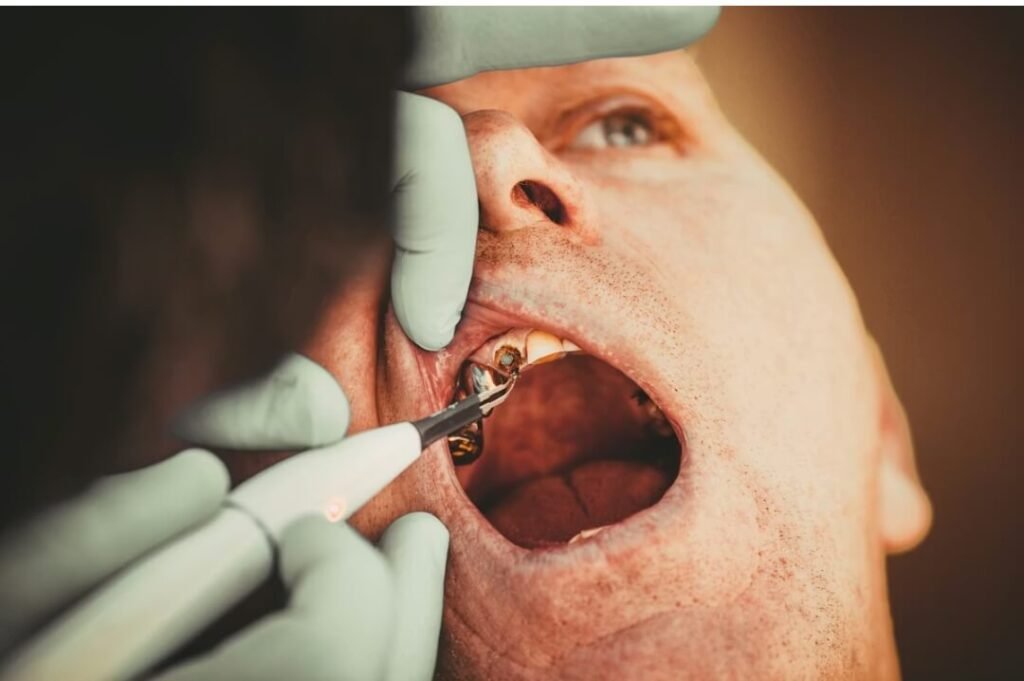

Gum disease and bone loss are serious dental problems that affect millions of people worldwide. When the tissues around teeth become damaged, patients may experience loose teeth, gum recession, pain, and even tooth loss. Traditional dental cleaning can stop infection, but it cannot fully rebuild the lost bone and supporting structures. This is where guided tissue regeneration becomes an advanced solution. This modern dental procedure helps the body naturally regrow damaged bone and gum tissue, improving oral health and saving natural teeth.
Understanding Tissue Loss in Dentistry
Healthy teeth need strong support from the gums, ligaments, and jawbone. These structures keep teeth stable and protected. However, several oral health conditions can damage these tissues over time.
Common causes of tissue damage include:
- Advanced gum disease
- Dental infections
- Trauma or injury
- Smoking
- Poor oral hygiene
- Diabetes
- Tooth extraction complications
When tissue destruction becomes severe, patients may face serious oral health problems. Bone loss can create deep spaces around teeth, making them unstable and difficult to clean.
Modern regenerative dentistry focuses on repairing these damaged areas instead of simply removing teeth.
What Is Guided Tissue Regeneration?
Guided tissue regeneration is a specialized periodontal treatment designed to rebuild damaged bone and gum tissues around teeth. The procedure uses a protective membrane to guide the natural healing process and encourage proper tissue growth.
The membrane creates a barrier between soft gum tissue and the healing bone area. This allows slower-growing bone and ligament cells enough time to regenerate without interference from fast-growing gum tissue.
The treatment is widely used in:
- Periodontal therapy
- Bone defect repair
- Dental implant preparation
- Advanced gum disease treatment
This regenerative approach has become one of the most important techniques in modern periodontics.
How the Procedure Works
The process involves several carefully planned steps to support natural healing.
Initial Examination
The dentist or periodontist first examines the patient’s gums and bone structure using:
- Dental X-rays
- 3D scans
- Periodontal measurements
This helps determine the severity of tissue loss.
Cleaning the Area
The infected area is cleaned thoroughly to remove:
- Bacteria
- Tartar
- Diseased tissue
Healthy root surfaces are essential for successful healing.
Placement of the Membrane
During guided tissue regeneration, a small membrane is placed over the damaged bone area. This barrier protects the healing site and encourages bone cells to regenerate correctly.
Bone Graft Support
In many cases, bone graft material is added beneath the membrane to improve bone growth.
The graft material may come from:
- Synthetic sources
- Donor tissue
- Animal-derived materials
- The patient’s own bone
Healing Period
After surgery, the body gradually rebuilds new tissue over several months. The membrane either dissolves naturally or is removed later by the dentist.
Why This Treatment Is Important
Many people believe tooth loss is unavoidable after severe gum disease. However, regenerative dental treatments now make it possible to restore damaged tissues and preserve natural teeth.
Major goals of the procedure include:
- Rebuilding lost bone
- Improving gum attachment
- Reducing deep gum pockets
- Supporting tooth stability
- Preventing future dental problems
This treatment helps restore both oral function and appearance.
Conditions Treated With Regenerative Dental Therapy
Advanced Gum Disease
Periodontal disease is the most common reason patients need regenerative procedures. Bacteria destroy the bone and tissues supporting teeth, creating deep pockets that trap more infection.
Bone Defects Around Teeth
Bone defects may develop due to injury, infection, or long-term gum disease. These defects weaken tooth support and increase the risk of tooth loss.
Dental Implant Preparation
Dental implants require sufficient bone support. If bone volume is inadequate, regeneration procedures help rebuild the area before implant placement.
Furcation Defects
Molars have multiple roots, and bone loss between these roots can be difficult to treat. Regenerative therapy may improve healing in these complex areas.
Types of Membranes Used
Different membrane materials are used depending on the patient’s condition.
Resorbable Membranes
These dissolve naturally over time and do not require removal.
Benefits include:
- Less discomfort
- Faster recovery
- No second surgery
Non-Resorbable Membranes
These membranes provide stronger structural support but usually require a second procedure for removal.
Dentists select membrane types based on the size and location of the defect.
Benefits of Guided Tissue Regeneration
Modern regenerative dentistry offers several important benefits for long-term oral health.
Helps Save Natural Teeth
One of the biggest advantages of guided tissue regeneration is preserving teeth that might otherwise need extraction.
Supports Bone Growth
The treatment stimulates new bone formation, improving support around teeth.
Improves Gum Health
Healthier gum attachment helps reduce periodontal pockets and bacterial buildup.
Better Implant Success
Regenerated bone provides a stronger foundation for dental implants.
Improves Oral Function
Patients often experience better chewing ability and tooth stability after healing.
Recovery and Healing Process
Healing time depends on the severity of tissue damage and the patient’s overall health.
Common Symptoms After Surgery
Patients may experience:
- Mild swelling
- Tender gums
- Slight bleeding
- Temporary discomfort
These symptoms are usually manageable with proper care.
Recovery Tips
To support healing:
- Eat soft foods
- Avoid smoking
- Follow dental instructions carefully
- Maintain oral hygiene
- Attend follow-up appointments
Most patients recover comfortably within a few weeks, while complete bone healing may take several months.
Foods to Eat During Recovery
Soft and nutritious foods are recommended after surgery.
Good choices include:
- Yogurt
- Mashed potatoes
- Smoothies
- Scrambled eggs
- Soup
- Oatmeal
- Soft fruits
Avoid hard, crunchy, or spicy foods during the early healing phase.
Risks and Possible Complications
Although regenerative procedures are generally safe, some risks may occur.
Possible complications include:
- Infection
- Delayed healing
- Membrane exposure
- Swelling
- Graft failure
Choosing an experienced dental specialist reduces these risks significantly.
Cost of Regenerative Gum Treatment
Treatment costs vary depending on:
- Severity of tissue damage
- Number of teeth treated
- Type of graft materials
- Geographic location
- Specialist experience
Complex cases involving multiple procedures may cost more.
Dental insurance may partially cover periodontal surgery in some situations.
Guided Tissue Regeneration vs Bone Grafting
People often confuse these two treatments, but they are different.
Bone Grafting
Bone grafting replaces missing bone material.
Guided Tissue Regeneration
Guided tissue regeneration controls how tissues heal using protective membranes.
In many cases, both procedures are combined for better results.
Who Is a Good Candidate?
Patients with moderate to severe periodontal damage are often good candidates for treatment.
Ideal candidates usually:
- Practice good oral hygiene
- Have healthy gums around nearby teeth
- Want to preserve natural teeth
- Are committed to follow-up care
Smoking and uncontrolled diabetes may reduce healing success.
Long-Term Maintenance Tips
Good oral care is essential after regenerative treatment.
Brush and Floss Daily
Keeping the mouth clean prevents future bacterial infection.
Visit the Dentist Regularly
Professional cleanings help maintain healthy gums.
Avoid Smoking
Smoking slows healing and increases the risk of gum disease recurrence.
Maintain a Healthy Lifestyle
Balanced nutrition and proper health management support oral healing.
Advances in Modern Regenerative Dentistry
Dental technology continues to improve regenerative procedures.
New developments include:
- Growth factor therapy
- Biologic healing proteins
- Stem cell research
- Advanced collagen membranes
- 3D tissue engineering
These innovations may improve healing speed and long-term success rates in the future.
Frequently Asked Questions
Is the procedure painful?
Most patients feel minimal discomfort because local anesthesia is used during surgery.
How long does recovery take?
Initial healing usually occurs within a few weeks, while complete bone regeneration may require several months.
Can regenerated tissue last permanently?
With proper oral hygiene and regular dental visits, results can last many years.
Is the procedure safe?
Yes, regenerative periodontal procedures are considered safe when performed by trained specialists.
Conclusion
Modern dentistry has changed the way severe gum disease and bone loss are treated. Instead of removing damaged teeth, dentists can now rebuild the supporting tissues using advanced regenerative methods. Guided tissue regeneration helps restore healthy bone and gum structures naturally, improving both oral function and long-term dental health.
Patients suffering from periodontal disease, bone defects, or implant-related bone loss may benefit greatly from this treatment. With proper dental care, healthy habits, and professional guidance, regenerative procedures can provide lasting improvements and help patients keep their natural smiles for years to come.
For reservations and additional information, visit : aspertaan.com