
Introduction
Many people notice a small lump or unusual skin reaction after a tick bite and feel worried because they don’t know what it means. Sometimes the bite heals quickly, but in other cases the skin develops a firm bump that can stay for weeks or months. This condition may be confusing and may even look like an infection. The good news is that understanding the causes and treatment options can help manage the problem early. In this detailed guide, we explain granulomas from tick bite, why they happen, what symptoms to watch for, and the best ways to treat and prevent them.
What Is a Tick Bite?
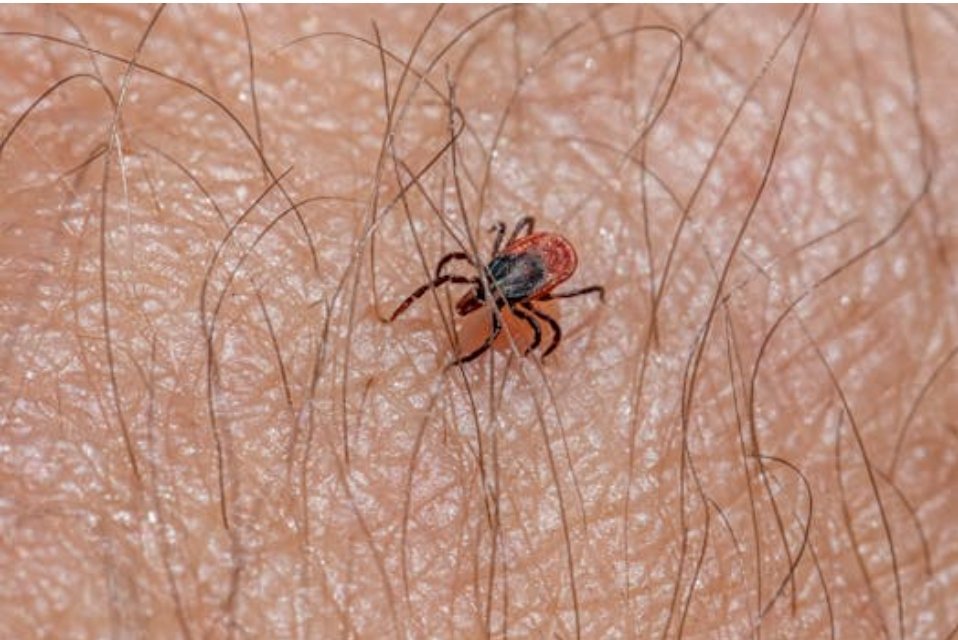
A tick bite happens when a small parasite called a Tick attaches to the skin and feeds on blood. Ticks are usually found in forests, grassy areas, and places where animals live.
When a tick attaches to human skin, it inserts its mouthparts into the skin and begins feeding. During this process, it releases saliva that helps prevent blood clotting. This saliva can sometimes cause skin irritation or allergic reactions.
Most tick bites are harmless and heal within a few days. However, some bites can lead to inflammation or long-lasting skin reactions. In certain situations, the body develops granulomas from tick bite, which appear as firm lumps at the bite site.
What Are Granulomas?
A granuloma is a small area of inflammation that forms when the immune system tries to protect the body from something it cannot easily remove.
According to medical experts, a Granuloma forms when immune cells gather together to surround foreign material such as bacteria, parasites, or debris.
These clusters of immune cells create a small lump in the tissue. When this reaction occurs after a tick bite, it is commonly called a tick bite granuloma.
Granulomas may appear as:
- Small hard bumps
- Red or pink raised areas
- Thickened skin at the bite site
Most granulomas are not dangerous, but they can remain on the skin for a long time if untreated.
Causes of Granulomas from Tick Bite
There are several reasons why granulomas from tick bite may develop. These causes usually involve immune reactions or irritation in the skin.
Tick Parts Left Under the Skin
Sometimes a tick breaks during removal and small mouthparts remain inside the skin. The body treats these parts as foreign material and creates a protective inflammatory reaction.
Reaction to Tick Saliva
Tick saliva contains proteins that prevent blood clotting. In some people, the immune system reacts strongly to these substances, causing a tick bite skin reaction.
Infection After the Bite
Ticks can carry bacteria that cause diseases. One well-known example is Lyme disease. Infection can cause inflammation and lead to long-lasting skin changes.
Chronic Irritation
If the bite area is scratched or irritated frequently, inflammation may worsen and lead to a persistent lump after tick bite.
Understanding these causes helps explain why some people experience long-lasting bumps after tick exposure.
Tick Bite Skin Reaction
After a tick bite, the skin often shows mild reactions. These reactions are usually normal and part of the body’s healing process.
Common tick bite skin reaction symptoms include:
- Redness around the bite
- Mild itching
- Small swelling
- Slight warmth in the skin
These symptoms usually disappear within a few days. However, if the immune system continues reacting to the bite, inflammation may remain and develop into granulomas from tick bite.
Some people have stronger immune responses than others, which increases the chance of developing these lumps.
Symptoms of Tick Bite Granuloma
Recognizing symptoms early can help identify a tick bite granuloma and avoid unnecessary worry.
Early Symptoms
At first, the bite may look like a normal insect bite.
Early signs include:
- Small red bump
- Mild itching
- Slight swelling
- Tender skin around the bite
Later Symptoms
If the reaction continues, additional symptoms may appear.
These include:
- Firm lump under the skin
- Thickened skin tissue
- Persistent redness
- A sore that heals slowly
In some cases, the lump can remain for several weeks or months before disappearing.
Why a Lump After Tick Bite Appears
Many people become concerned when they feel a lump after tick bite.
This lump develops because the immune system sends white blood cells to the bite area. These cells try to remove bacteria, parasites, or leftover tick material.
If the immune system cannot completely remove the foreign substance, it forms a protective structure called a granuloma.
The lump may feel:
- Firm or hard
- Slightly raised
- Occasionally itchy or tender
Although the lump can look worrying, it is often the body’s natural defense process.
Tick Bite Complications
Most tick bites heal without problems, but sometimes complications occur.
Possible tick bite complications include:
- Skin infections
- Allergic reactions
- Persistent inflammation
- Tick-borne diseases
Ticks may carry pathogens that cause illnesses such as:
- Lyme disease
- Ehrlichiosis
- Anaplasmosis
These illnesses can cause symptoms such as fever, fatigue, headaches, and muscle pain.
Because of these risks, any unusual symptoms after a tick bite should be monitored carefully.
Diagnosis of Granulomas from Tick Bite
Doctors diagnose granulomas from tick bite through physical examination and medical history.
Common diagnostic methods include:
- Examining the bite area
- Asking about outdoor exposure
- Checking for symptoms of infection
- Performing a skin biopsy if necessary
A biopsy involves removing a small piece of tissue to examine it under a microscope.
This helps doctors confirm whether the lump is a granuloma or another skin condition.
Treatment Options
Treatment depends on the severity of the granuloma and the symptoms.
Observation
Small granulomas may disappear naturally over time without treatment.
Anti-Inflammatory Creams
Doctors may prescribe corticosteroid creams to reduce swelling and inflammation.
Antibiotics
If infection is present, antibiotics may be used to treat bacteria.
Minor Surgical Removal
If the lump becomes large or painful, a doctor may remove it through a small procedure.
Pain Relief
Over-the-counter medications may help reduce discomfort.
Medical treatment should always be guided by a healthcare professional.
How to Prevent Tick Bites
Preventing tick bites is the best way to avoid granulomas from tick bite and other complications.
Helpful prevention tips include:
- Wear long sleeves and pants when outdoors
- Use insect repellents containing DEET
- Avoid walking through tall grass
- Check your body after outdoor activities
- Remove ticks carefully with tweezers
Early tick removal greatly reduces the risk of infection and skin reactions.
When to See a Doctor
You should seek medical advice if you experience:
- A lump that continues to grow
- Severe redness or swelling
- Fever or flu-like symptoms
- Pain or discharge from the bite site
These symptoms may indicate infection or other complications.
Conclusion
Tick bites are common, especially for people who spend time outdoors. Most bites heal quickly without causing major problems. However, in some cases the body reacts by forming granulomas from tick bite, which appear as persistent lumps in the skin.
Understanding the causes, symptoms, and treatment options helps people manage the condition with confidence. Recognizing tick bite granuloma, monitoring tick bite skin reaction, and being aware of possible tick bite complications can help prevent serious health problems.
With proper tick removal, good hygiene, and early medical care when needed, most people recover fully and avoid long-term skin issues.
Red More: aspertaan