
Introduction
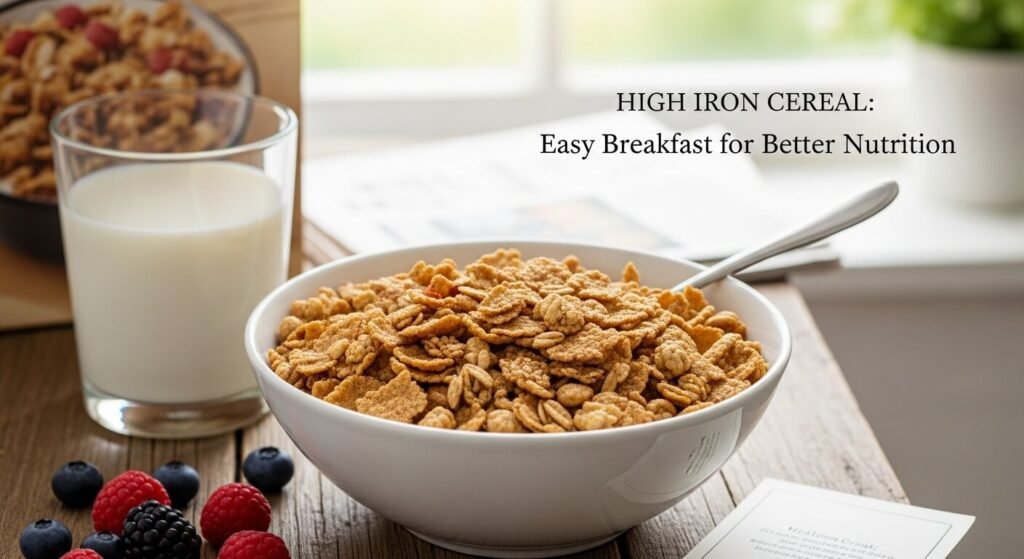
Iron deficiency is one of the most common nutritional problems worldwide. Many people do not get enough iron from their daily diet, which can cause tiredness, weakness, poor concentration, dizziness, and low immunity. This issue is especially common among women, children, vegetarians, and people with busy lifestyles. A simple and practical solution is choosing a high iron cereal at breakfast. It is easy to prepare, widely available, and helps improve daily iron intake without extra effort.
Why Iron Is Essential for the Human Body
Iron is a vital mineral that helps the body function properly. Its main role is to help produce hemoglobin, a protein in red blood cells that carries oxygen throughout the body. Without enough iron, the body cannot deliver oxygen efficiently, which leads to fatigue and weakness.
Main Functions of Iron
- Supports energy production
- Helps improve focus and mental performance
- Strengthens the immune system
- Supports healthy growth in children
- Plays an important role during pregnancy
A regular iron intake helps the body stay active, alert, and healthy.
What Is Iron-Fortified Cereal?
Most breakfast cereals do not naturally contain large amounts of iron. To improve their nutritional value, manufacturers add iron during processing. These products are known as iron fortified cereal options.
Fortification helps:
- Fill nutritional gaps
- Support people with low iron intake
- Provide a consistent source of essential minerals
Many cereals provide a significant percentage of daily iron needs in just one serving.
Types of Iron Found in Cereals
Cereals usually contain non-heme iron, which comes from plant sources or added minerals. This type of iron is absorbed less efficiently than iron from meat, but absorption can be improved with the right food combinations.
How to Improve Iron Absorption
- Eat cereal with vitamin C–rich fruits
- Add oranges, strawberries, or kiwi
- Drink citrus juice with breakfast
These combinations help the body absorb iron more effectively.
Health Benefits of Iron-Rich Breakfast Cereals
Eating an iron rich cereal regularly as part of a balanced diet can provide many health benefits.
1. Better Energy Levels
Iron helps oxygen reach muscles and organs, reducing tiredness and weakness.
2. Improved Brain Function
Adequate iron supports memory, focus, and learning ability, which is important for students and professionals.
3. Stronger Immunity
Iron helps the body fight infections and recover faster from illness.
4. Easy Daily Nutrition
Cereal is quick to prepare, making it a reliable and consistent iron source.
Including high iron cereal in the morning routine can help support these benefits naturally.
How to Choose the Best Iron Cereal
Not all cereals offer the same nutritional value. Reading labels carefully is important.
Check Iron Percentage
Look for cereals that provide at least 15–20% of the daily iron value per serving.
Limit Added Sugar
Some cereals contain high sugar levels. Choose options with lower sugar and higher fiber.
Choose Whole Grains
Whole grains support digestion and provide long-lasting energy.
Balance With Other Nutrients
A good cereal should also include fiber, vitamins, and minerals.
Making the right choice ensures that high iron cereal supports overall health without unnecessary additives.
Who Benefits Most From Iron-Rich Cereals?
Children and Teenagers
Iron supports physical growth, brain development, and school performance.
Women
Women often need more iron due to monthly blood loss, making cereal with iron a helpful daily option.
Pregnant Women
Iron needs increase during pregnancy to support both mother and baby.
Vegetarians and Vegans
Plant-based diets may lack iron, so fortified cereals help meet daily needs.
Busy Adults
People with limited time benefit from quick, nutritious breakfasts.
For these groups, high iron cereal offers a simple nutritional solution.
A Simple Daily Breakfast Routine for Iron Intake
Step 1: Start With Cereal
Choose a cereal that contains a good amount of iron.
Step 2: Add Milk or Alternatives
Use dairy or plant-based milk according to preference.
Step 3: Add Fruit
Include vitamin C–rich fruits to boost absorption.
Step 4: Avoid Tea or Coffee Immediately
Tea and coffee can reduce iron absorption when consumed with meals.
Following this routine helps the body get maximum benefit from high iron cereal every day.
Supporting Iron Intake Throughout the Day
Breakfast is important, but iron intake should continue throughout the day. Other iron-rich foods include:
- Lentils and beans
- Spinach and leafy greens
- Nuts and seeds
- Lean meats (if consumed)
A balanced diet ensures stable iron levels and better long-term health.
Possible Concerns to Keep in Mind
Iron Needs Are Different for Everyone
Too much iron can also be harmful. Needs depend on age, gender, and health condition.
Medical Advice Matters
If you experience constant fatigue or weakness, consult a healthcare professional.
Balance Is Important
Cereal should be part of a varied and nutritious diet, not the only food source.
Used correctly, high iron cereal supports health safely and effectively.
Role of Iron Cereals in Long-Term Nutrition
Including cereal with iron regularly can help:
- Prevent iron deficiency
- Maintain steady energy
- Support overall well-being
Consistency and balance are the keys to long-term benefits.
Conclusion
Iron deficiency can quietly affect daily life, energy levels, and overall health. A simple breakfast choice can make a big difference. By choosing a high iron cereal, combining it with vitamin C–rich foods, and maintaining a balanced diet, people of all ages can support their daily iron needs easily. When selected wisely and eaten as part of a healthy routine, iron-rich cereals offer a convenient and effective path to better nutrition and long-term wellness.