
Introduction
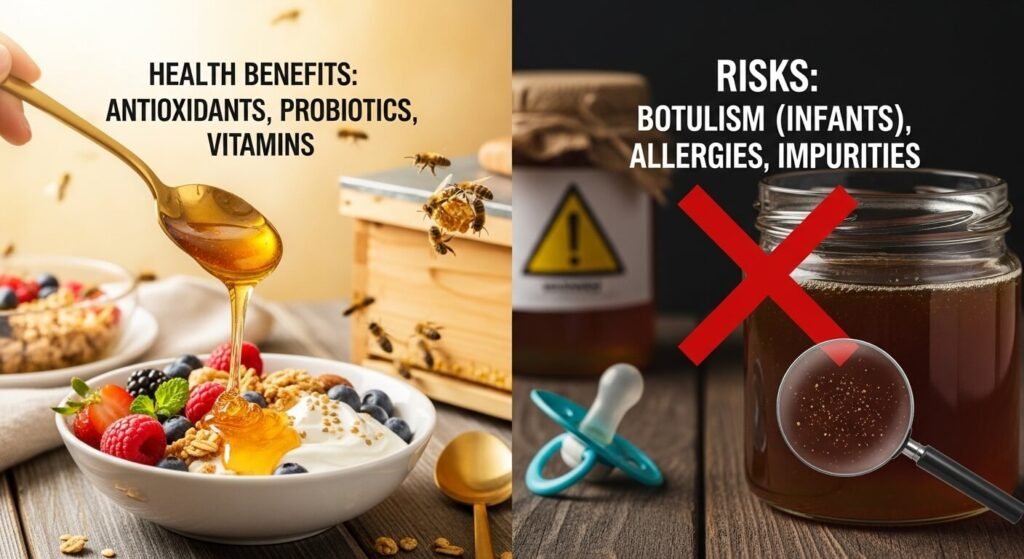
Raw honey has gained popularity as a natural sweetener and health booster. Many people enjoy its rich taste and potential benefits. But some wonder: is raw honey safe to eat regularly? Concerns include bacterial contamination, allergies, sugar content, and risks for babies. At the same time, raw honey is packed with nutrients, antioxidants, and enzymes that support immunity, digestion, and energy. The solution is simple: understand who can safely consume it, how much to eat, and what precautions to take. By following these tips, you can enjoy raw honey safely and gain its health benefits.
What Is Raw Honey?
Raw honey is honey that has not been heated, pasteurized, or heavily processed. Unlike commercial honey, raw honey keeps its natural enzymes, pollen, vitamins, and minerals. Because of this, it may provide more health benefits than processed honey. Its natural properties make it a popular ingredient for home remedies, energy boosts, and immunity support. However, its unprocessed nature also means it can carry bacteria if not handled properly.
Raw Honey Health Benefits
Raw honey offers multiple health benefits, making it more than just a sweetener:
1. Rich in Antioxidants
Raw honey contains antioxidants like flavonoids and phenolic acids. These antioxidants help fight harmful free radicals in the body, reducing oxidative stress and lowering the risk of chronic diseases.
2. Supports Immunity
Thanks to its antibacterial and antiviral compounds, raw honey can strengthen the immune system and help fight infections naturally.
3. Soothes Coughs and Sore Throats
For centuries, people have used raw honey to relieve throat irritation and reduce coughing. It acts as a natural remedy for mild cold symptoms.
4. Aids Digestion
Enzymes in raw honey support healthy digestion and promote gut health. It can also help with mild stomach issues when consumed in moderation.
5. Provides Natural Energy
Raw honey contains natural sugars like glucose and fructose that give a quick energy boost, making it a better alternative to refined sugar.
Risks of Eating Raw Honey
Despite its health benefits, raw honey has some risks that consumers should be aware of:
1. Botulism Risk for Babies
Raw honey can contain spores of Clostridium botulinum. While safe for adults, these spores can cause infant botulism in children under one year old. For this reason, raw honey for babies under 12 months is not safe.
2. High Sugar Content
Even though raw honey is natural, it contains high levels of sugar. Overconsumption can increase blood sugar, contribute to weight gain, and negatively affect dental health.
3. Allergic Reactions
Some individuals may be allergic to pollen or bee proteins in raw honey. Symptoms can include swelling, itching, and in severe cases, difficulty breathing.
4. Contamination Risks
Because raw honey is unpasteurized, it can carry bacteria if not stored properly or sourced from unreliable producers.
How to Eat Raw Honey Safely
1. Eat in Moderation
Adults should consume 1–2 tablespoons of raw honey daily to enjoy benefits without excessive sugar intake.
2. Avoid Giving to Babies
Infants under 12 months should never consume raw honey to prevent the risk of botulism.
3. Choose High-Quality Sources
Buy raw honey from trusted brands or local beekeepers. Look for labeling that confirms testing for purity and safety.
4. Proper Storage
Store raw honey in a sealed container at room temperature, away from moisture and direct sunlight. Avoid refrigeration, as it can cause crystallization.
5. Mix With Foods
Raw honey can be safely added to tea, yogurt, or toast to enjoy its flavor and benefits.
Raw Honey for Babies
Raw honey for babies can be dangerous because their digestive systems are not mature enough to handle bacterial spores. Botulism in infants can lead to constipation, muscle weakness, and feeding difficulties. Therefore, pediatricians recommend avoiding honey entirely until the child is at least one year old.
For children older than one year and adults, raw honey is safe when eaten in moderation and sourced properly.
Common Myths About Raw Honey Safety
Myth 1: Raw Honey Is Completely Safe
Truth: Raw honey offers health benefits but may carry bacteria or trigger allergies.
Myth 2: Boiling or Heating Raw Honey Makes It Safe
Truth: Heat destroys some bacteria but also kills enzymes and reduces nutrients. Proper sourcing and moderation are safer approaches.
Myth 3: All Honey Is the Same
Truth: Commercial honey is often pasteurized and filtered, losing nutrients. Raw honey retains natural benefits but must be consumed carefully.
Nutritional Profile of Raw Honey
- Calories: 60 per tablespoon
- Carbohydrates: 17 g (mainly glucose and fructose)
- Vitamins: B-complex, Vitamin C
- Minerals: Calcium, Iron, Magnesium
- Antioxidants: Flavonoids and phenolic acids
This profile explains why raw honey provides energy, immune support, and digestive benefits.
When to Avoid Raw Honey
- Infants under 12 months
- People with pollen or bee allergies
- Individuals with uncontrolled diabetes
- People with weakened immune systems (consult a doctor first)
Benefits vs Risks: The Verdict
Raw honey is generally safe for adults and children over one year when consumed responsibly. Its antioxidants, immunity support, and digestive benefits outweigh the risks if proper precautions are taken. Moderation, quality sourcing, and safe storage are key to enjoying raw honey health benefits while minimizing any hazards.
Conclusion
Raw honey is a natural, nutritious, and flavorful food that can support energy, immunity, and digestion. However, it is not risk-free. Babies under one year should avoid it, and adults should consume it moderately while choosing high-quality sources. By following safety tips and understanding its benefits and risks, you can enjoy is raw honey safe to eat as part of a healthy lifestyle. With this knowledge, raw honey becomes a safe and valuable addition to your daily diet.