
Introduction
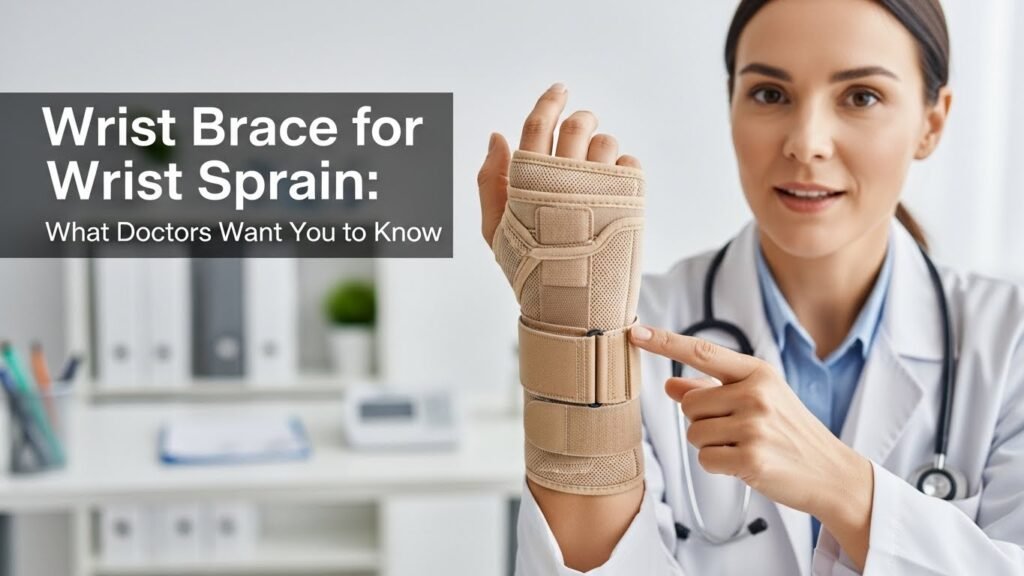
A wrist sprain is a very common injury that can happen when you fall, twist your hand suddenly, or put too much pressure on your wrist. Many people ignore early pain and continue their normal activities, which often makes the injury worse and slows healing. The biggest problem is that an injured wrist needs proper support, but most people do not know what type of support is best or how to use it correctly. The good news is that using a wrist brace for wrist sprain can stabilize your wrist, reduce pain, control swelling, and help your ligaments heal safely and faster so you can return to your daily routine with confidence.
What Is a Wrist Sprain?
A wrist sprain happens when the ligaments in your wrist are stretched or torn. Ligaments are strong tissues that connect your wrist bones and keep the joint stable. When you fall on an outstretched hand, twist your wrist forcefully, or lift something too heavy, these ligaments can get damaged.
Common symptoms of a wrist sprain include:
- Pain when moving the wrist
- Swelling or bruising
- Weak grip strength
- Stiffness or limited movement
- Tenderness when touching the injured area
Some sprains are mild and heal quickly, while others are more serious and may need medical treatment. Understanding your injury level is important before choosing any wrist support.
Why Support Is Important After a Wrist Sprain
Your wrist moves in many directions every day — when you type, cook, lift objects, or even brush your teeth. Without proper support, these movements can stress injured ligaments and delay recovery.
Proper wrist support helps by:
- Keeping your wrist in a neutral position
- Preventing harmful bending or twisting
- Reducing pressure on injured tissues
- Allowing your body to repair damaged ligaments
This is why doctors often recommend using a wrist sprain brace as soon as possible after injury.
How a Wrist Brace Helps in Healing
A good wrist sprain brace is not just a simple wrap — it is a medical support tool designed to protect your wrist and promote recovery.
1. Provides Stability
A brace holds your wrist in a steady position so the injured ligaments are not constantly stretched or irritated.
2. Reduces Pain and Swelling
Many braces apply gentle compression, which improves blood flow and helps reduce swelling around the injured area.
3. Prevents Further Injury
By limiting dangerous movements, the brace lowers the risk of making your sprain worse.
4. Supports Faster Recovery
With proper immobilization and support, your body can heal more efficiently.
For these reasons, doctors strongly suggest using a wrist brace for wrist sprain as part of your recovery plan.
Different Types of Wrist Braces for Sprains
Not all braces are the same. The type you need depends on your pain level and daily activities.
Soft Compression Brace
This is made from elastic or neoprene material. It provides light support and is best for mild sprains or everyday tasks like typing or light housework.
Semi-Rigid Brace
This type has metal or plastic supports inside. It limits wrist movement while still allowing some flexibility. It is suitable for moderate sprains or people who need to work while healing.
Rigid Wrist Brace (Splint)
This brace fully immobilizes the wrist and is recommended for severe sprains or immediately after injury. It keeps the wrist straight and prevents any harmful movement.
Choosing the right type of wrist sprain brace can make a big difference in how fast you recover.
How to Choose the Best Wrist Brace for Sprain
Selecting the right brace does not have to be complicated. Follow these simple tips:
Check the Fit
The brace should feel snug but not too tight. If your fingers turn cold, numb, or blue, it is too tight.
Match the Brace to Your Pain Level
- Mild pain → Soft compression brace
- Moderate pain → Semi-rigid brace
- Severe pain → Rigid brace
Consider Your Daily Activities
If you need to work or type, a semi-rigid brace is usually better. If you are resting, a rigid brace may be more helpful.
Choose Breathable Material
A breathable fabric keeps your skin comfortable and prevents excessive sweating.
Doctors often recommend using a wrist brace for wrist sprain that balances support and comfort rather than completely restricting all movement for too long.
How to Wear a Wrist Brace Correctly
Wearing your brace the right way is just as important as choosing the right one.
Follow these steps:
- Keep your wrist straight and in a neutral position.
- Place the brace properly around your wrist and hand.
- Tighten the straps gently — not too loose, not too tight.
- Make sure you can still move your fingers comfortably.
- Wear the brace during activities that stress your wrist.
If you feel numbness, tingling, or discomfort, loosen the straps. Using a wrist brace for wrist sprain properly helps you heal faster and prevents unnecessary strain.
How Long Should You Wear a Wrist Brace?
The length of time depends on how serious your sprain is:
- Mild sprain: 1–2 weeks
- Moderate sprain: 2–4 weeks
- Severe sprain: 4–6 weeks or as advised by your doctor
You should wear the brace during activities but remove it when resting if your doctor allows. As your pain decreases, you should slowly reduce brace use and begin gentle wrist exercises.
A wrist brace for wrist sprain is meant to support healing — not to replace natural movement forever.
Other Treatments That Work With a Brace
A brace works best when combined with other simple treatments:
Rest
Avoid heavy lifting or sports that put pressure on your wrist.
Ice Therapy
Apply ice for 10–15 minutes, 2–3 times a day to reduce swelling.
Elevation
Keep your hand raised above heart level when resting.
Pain Relief
You may use over-the-counter pain medicine after consulting a doctor.
Physical Therapy
Once pain reduces, gentle exercises help restore strength and flexibility.
Common Mistakes That Slow Healing
Many people unknowingly delay their recovery by making these mistakes:
Wearing the Brace Too Tight
This can cut off blood flow and cause discomfort.
Wearing It Too Long Without Exercise
Your wrist muscles can become weak if you rely only on the brace.
Ignoring Severe Pain
If pain does not improve after a few days, see a doctor.
Returning to Sports Too Soon
Even if pain decreases, your ligaments may still be healing.
When Should You See a Doctor?
You should seek medical help if:
- Pain is severe or getting worse
- You cannot move your wrist at all
- You feel numbness or tingling in your fingers
- There is extreme swelling or visible deformity
A doctor may recommend an X-ray or MRI to check for fractures or serious ligament damage.
Benefits of Using a Wrist Brace
Using a wrist brace for pain and sprain offers many advantages:
- Faster recovery
- Less pain and swelling
- Better wrist stability
- Protection from re-injury
- More confidence during daily activities
Many patients report that wearing a brace makes their recovery smoother and more comfortable.
Who Should Use a Wrist Brace?
Athletes
Sports like tennis, basketball, or weightlifting put stress on the wrist. A brace helps prevent repeated sprains.
Office Workers
People who type for long hours may develop wrist strain. A supportive brace keeps the wrist in a neutral position and reduces pressure.
Manual Labor Workers
Construction workers, mechanics, and factory workers benefit from wrist protection while lifting or using tools.
How to Take Care of Your Wrist Brace
To make your brace last longer:
- Wash fabric braces regularly
- Let them air dry
- Check straps and supports for wear
- Replace the brace if it loses elasticity or support
A clean and well-maintained brace works better and feels more comfortable.
Can You Sleep With a Wrist Brace?
Some doctors recommend wearing a brace at night, especially if you move your wrist a lot while sleeping. However, if it feels uncomfortable, you may remove it unless your doctor advises otherwise.
Conclusion
A wrist brace for wrist sprain is one of the most effective and simple tools for healing, pain relief, and injury prevention. When used correctly, it supports your wrist, reduces swelling, and protects damaged ligaments while they recover. The key is choosing the right type of brace, wearing it properly, and combining it with rest, ice, and gentle exercises. If your pain is severe or does not improve, always consult a doctor. With the right care and support, your wrist can heal fully and return to normal strength and movement.