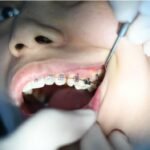

A healthy smile is not just about appearance—it directly affects confidence, overall wellness, and quality of life. Many families struggle with cavities, gum disease, tooth sensitivity, and inconsistent oral care habits because they do not have a long-term dental plan. The good news is that family dentistry provides complete dental care for every age group under one roof, making it easier to maintain healthy teeth and gums from childhood to senior years. With preventive care, regular checkups, and personalized treatment, families can avoid major dental problems and enjoy lifelong oral health.
What Is Family Dentistry?
Family dentistry is a branch of dental care that focuses on treating patients of all ages, from infants to seniors. Unlike pediatric dentistry, which only treats children, family dentists provide comprehensive oral healthcare for the entire family.
Family dental clinics usually offer:
- Routine dental exams
- Professional cleanings
- Fluoride treatments
- Dental fillings
- Crowns and bridges
- Gum disease treatment
- Cosmetic dentistry
- Orthodontic evaluations
- Emergency dental care
- Preventive dentistry services
The biggest advantage of choosing a family dentist is convenience. Every family member can receive care in one location while building long-term trust with the same dental team.
Why Family Dentistry Matters for Long-Term Oral Health
Oral health is closely connected to overall health. Poor dental hygiene may contribute to conditions like diabetes, heart disease, and infections. Regular dental visits help detect problems early before they become serious or expensive.
Benefits of family dental care include:
- Early detection of cavities and gum disease
- Continuous monitoring of dental development
- Personalized care for every age
- Better oral hygiene habits
- Reduced dental anxiety in children
- Easier appointment scheduling for families
- Preventive care that lowers future treatment costs
A family-centered approach also creates consistency. Children who see their parents prioritizing dental care are more likely to develop lifelong healthy habits.
Family Dentistry for Children
Building Healthy Habits Early
Good oral hygiene should begin before a baby’s first tooth appears. Parents can gently clean gums with a soft cloth and later transition to a child-sized toothbrush.
Important dental habits for children include:
- Brushing twice daily with fluoride toothpaste
- Limiting sugary drinks and snacks
- Scheduling the first dental visit by age one
- Teaching proper brushing and flossing techniques
- Using dental sealants for cavity protection
Children are highly vulnerable to tooth decay, especially when oral care routines are inconsistent. Early dental visits help children feel comfortable with dental care and allow dentists to monitor growth and development.
Common Dental Problems in Children
Children often experience:
- Baby bottle tooth decay
- Thumb-sucking complications
- Misaligned teeth
- Cavities
- Tooth sensitivity
Preventive dentistry plays a major role in reducing these issues. Fluoride treatments and sealants can protect enamel and lower cavity risk significantly.
Teen Dental Care and Orthodontic Needs
Teenagers face unique oral health challenges due to dietary habits, braces, sports activities, and hormonal changes.
Common Teen Dental Concerns
Orthodontic Treatment
Many teens need braces or clear aligners to correct bite alignment and spacing issues. Proper oral hygiene during orthodontic treatment is essential because food particles can easily become trapped.
Sports Injuries
Teen athletes should wear custom mouthguards to prevent chipped or broken teeth during sports activities.
Wisdom Teeth Monitoring
Family dentists monitor wisdom teeth development to identify crowding or impacted teeth early.
Dietary Habits
Sugary energy drinks, soda, and junk food increase the risk of tooth decay during teenage years. Encouraging healthier snacks and proper hydration supports better oral health.
Adult Dental Care: Prevention and Maintenance
Adults often delay dental visits until pain develops, but prevention remains the most effective strategy for maintaining oral health.
Essential Dental Care for Adults
Routine Dental Exams
Dental checkups every six months help identify:
- Cavities
- Gum disease
- Oral cancer
- Tooth wear
- Infection
Professional Teeth Cleaning
Even with good brushing habits, plaque and tartar can build up over time. Professional cleanings remove hardened deposits and reduce the risk of gum disease.
Restorative Dentistry
Adults may require treatments such as:
- Fillings
- Crowns
- Bridges
- Root canals
- Dental implants
Cosmetic Dentistry
Many adults seek cosmetic improvements including:
- Teeth whitening
- Veneers
- Smile makeovers
- Invisalign treatment
Maintaining regular appointments helps preserve natural teeth and prevents more invasive treatments later.
Senior Dental Care and Aging Smiles
As people age, dental care needs become more complex. Seniors often face dry mouth, tooth loss, gum recession, and medication-related oral health issues.
Common Dental Challenges for Seniors
Dry Mouth
Many medications reduce saliva production, increasing the risk of cavities and bad breath.
Gum Disease
Untreated gum disease is one of the leading causes of tooth loss among older adults.
Denture Care
Dentures must be cleaned regularly and adjusted properly for comfort and function.
Oral Cancer Screenings
Older adults should receive routine oral cancer examinations during dental visits.
Family dentists help seniors maintain oral function, comfort, and confidence while supporting overall health.
Preventive Dentistry: The Key to Healthy Smiles
Preventive care is the foundation of successful family dentistry. Small daily habits combined with professional dental visits can significantly reduce oral health problems.
Daily Oral Hygiene Tips
Brush Properly
- Brush twice daily for two minutes
- Use fluoride toothpaste
- Choose a soft-bristled toothbrush
- Replace toothbrushes every three months
Floss Every Day
Flossing removes plaque and food particles from areas your toothbrush cannot reach.
Use Mouthwash
Antibacterial mouthwash helps reduce bacteria and freshen breath.
Drink Plenty of Water
Water helps rinse away food debris and maintain healthy saliva flow.
Limit Sugary Foods
Reducing sugar intake lowers cavity risk and protects enamel.
How to Choose the Right Family Dentist
Selecting the right dental provider is important for long-term oral health success.
What to Look for in a Family Dentist
Experience With All Age Groups
Choose a dentist who understands the unique dental needs of children, teens, adults, and seniors.
Comfortable Environment
A welcoming atmosphere reduces anxiety and improves patient experiences.
Comprehensive Services
Look for clinics that offer preventive, restorative, and cosmetic services in one place.
Flexible Scheduling
Family-friendly offices often provide convenient scheduling options for busy households.
Positive Reviews and Reputation
Online reviews and patient testimonials can help evaluate care quality and professionalism.
Building a long-term relationship with a trusted dentist creates continuity of care and better treatment outcomes.
Signs You Should Visit a Family Dentist Immediately
Do not ignore dental symptoms that may indicate serious problems.
Seek immediate dental care if you experience:
- Persistent tooth pain
- Bleeding gums
- Swollen gums
- Loose teeth
- Jaw pain
- Sensitivity to hot or cold
- Mouth sores that do not heal
- Broken or chipped teeth
Early treatment can prevent complications and reduce treatment costs.
The Connection Between Oral Health and Overall Wellness
Research continues to show strong links between oral health and general health conditions.
Poor oral hygiene has been associated with:
- Heart disease
- Diabetes complications
- Respiratory infections
- Pregnancy complications
- Inflammation throughout the body
Healthy teeth and gums contribute to better nutrition, speech, self-confidence, and quality of life. This is why routine dental care is essential for every member of the family.
Best Habits for Lifelong Healthy Smiles
Families can protect their smiles by following simple daily practices:
- Brush and floss consistently
- Visit the dentist every six months
- Eat balanced meals rich in vitamins and calcium
- Avoid tobacco products
- Wear mouthguards during sports
- Teach children healthy habits early
- Stay hydrated throughout the day
Consistency is the secret to long-lasting oral health.
Conclusion
Family dentistry plays a vital role in protecting oral health at every stage of life. From teaching toddlers how to brush properly to helping seniors maintain comfortable smiles, family dentists provide continuous care tailored to each age group. Preventive dentistry, routine checkups, healthy habits, and early treatment all work together to reduce dental problems and improve overall wellness.
Choosing a trusted family dentist creates a strong foundation for lifelong healthy smiles. Whether you need preventive care, restorative treatment, or cosmetic improvements, maintaining regular dental visits helps every member of your family enjoy stronger teeth, healthier gums, and greater confidence for years to come.
For reservations and additional information, visit : aspertaan.com