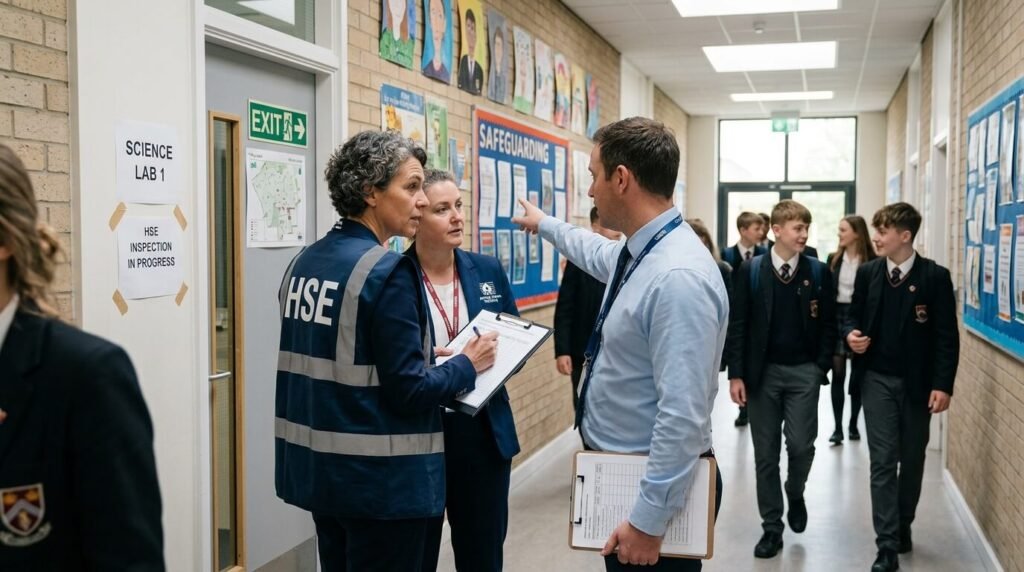

Schools should be safe places where children can learn without fear of accidents, injuries, or unsafe conditions. However, many schools still face problems such as poor emergency planning, unsafe classrooms, damaged playgrounds, lack of staff training, and weak supervision. These issues can affect students, teachers, and visitors every day. The best solution is to follow proper safety procedures, improve staff awareness, and apply clear school safety rules. A strong safety system helps schools reduce risks, protect everyone on campus, and create a better learning environment for students and staff.
Understanding the Role of Health and Safety in Schools
Every school has a duty to provide a secure and healthy environment. This responsibility includes protecting students, teachers, visitors, and support staff from possible hazards. Educational institutions must manage safety risks carefully because schools are busy places where many activities happen daily.
The role of health and safety executive in schools is to guide educational institutions on how to maintain safe working and learning environments. Schools must follow safety laws, conduct regular inspections, and ensure proper training for employees.
A safe school environment supports better learning, improves staff confidence, and helps students feel comfortable during classroom activities, sports, science experiments, and school trips.
Why Safety Management Is Important in Educational Institutions
Safety management is not only a legal requirement but also an important part of school success. When schools ignore safety concerns, accidents and health problems can increase.
Good safety management helps schools:
- Prevent injuries and accidents
- Improve student wellbeing
- Reduce workplace stress
- Protect school property
- Build trust with parents
- Support better learning conditions
Modern schools focus on physical safety, emotional wellbeing, hygiene standards, and emergency preparedness to maintain a healthy environment for everyone.
Main Duties of School Safety Authorities
The purpose of safety authorities is to ensure schools meet proper safety standards. These organizations provide guidance, inspections, and recommendations for schools.
The responsibilities of health and safety executive in schools include:
- Supporting school risk management
- Encouraging safe work practices
- Promoting staff training
- Monitoring accident prevention
- Improving emergency procedures
- Advising schools on legal compliance
These responsibilities help schools reduce risks and maintain safer campuses.
Creating a Strong Safety Policy
Every educational institution should have a written safety policy. This document explains how the school manages risks and protects people on campus.
An effective safety policy usually includes:
- Emergency procedures
- Fire evacuation plans
- Staff responsibilities
- Accident reporting systems
- First aid arrangements
- Risk assessment methods
A well-written policy gives clear guidance to staff members and helps schools respond quickly during emergencies.
The role of health and safety executive in schools becomes important here because schools must regularly review and update their safety policies according to changing risks and regulations.
School Leadership and Safety Responsibilities
School leaders play a major role in maintaining safe environments. Governors, principals, and department heads are responsible for ensuring safety procedures are followed correctly.
Responsibilities of School Governors
School governors monitor overall safety performance and support school management.
Their duties often include:
- Approving school safety plans
- Reviewing incident reports
- Supporting safety budgets
- Monitoring legal compliance
- Encouraging regular inspections
Governors help schools stay accountable and organized.
Responsibilities of Headteachers
Headteachers manage daily school operations and ensure safety measures are implemented properly.
Their duties include:
- Supervising staff
- Organizing emergency drills
- Managing safety training
- Conducting inspections
- Handling safety concerns
Strong leadership improves the overall safety culture within schools.
Importance of Risk Assessments
Risk assessments are one of the most important parts of school safety management. Schools must identify dangers before accidents happen.
A proper risk assessment includes:
- Identifying hazards
- Understanding who may be affected
- Evaluating the level of danger
- Applying safety controls
- Reviewing risks regularly
The process helps schools prevent injuries and reduce unsafe situations.
Examples of common school hazards include:
- Wet floors
- Broken playground equipment
- Electrical faults
- Fire hazards
- Unsafe chemicals
- Slippery staircases
The role of health and safety executive in schools is to ensure schools take risk assessments seriously and apply preventive measures effectively.
Fire Safety in Schools
Fire safety is one of the most critical parts of school protection. Every school must prepare for emergencies to protect students and staff during dangerous situations.
Important fire safety measures include:
- Fire alarms
- Emergency exits
- Fire extinguishers
- Evacuation maps
- Fire drills
- Staff emergency training
Regular fire drills help students remain calm during emergencies and improve response times.
Schools should also ensure emergency exits remain clear and accessible at all times.
Classroom Safety Procedures
Classrooms must remain clean, organized, and hazard-free. Teachers should regularly check classroom conditions to prevent accidents.
Important classroom safety steps include:
- Keeping walkways clear
- Storing equipment safely
- Checking electrical devices
- Monitoring student behavior
- Maintaining clean learning spaces
Teachers should also encourage students to follow safety instructions during practical lessons and group activities.
Playground and Sports Safety
Playgrounds and sports areas are common places where injuries occur in schools. Children participate in running, climbing, and physical activities daily, which increases the risk of accidents.
Schools should improve safety by:
- Inspecting playground equipment regularly
- Repairing damaged areas quickly
- Supervising students properly
- Providing safe sports equipment
- Maintaining clean playing surfaces
Good supervision greatly reduces the chances of injuries during school activities.
The responsibilities of health and safety executive in schools also include encouraging schools to maintain safer recreational environments.
Science Laboratory Safety
Science laboratories contain chemicals, equipment, and experiments that require extra safety measures.
Schools should follow laboratory safety rules such as:
- Wearing protective clothing
- Storing chemicals properly
- Supervising experiments carefully
- Using safety labels
- Providing ventilation systems
Students should receive clear instructions before starting practical experiments.
Laboratory accidents can be prevented when schools maintain proper supervision and safety training.
Importance of Staff Training
Training helps teachers and school employees understand how to manage emergencies and prevent accidents.
Important training topics include:
- First aid
- Fire safety
- Infection prevention
- Emergency response
- Risk management
- Manual handling
Regular training sessions improve staff awareness and preparedness.
The role of health and safety executive in schools is closely connected to promoting staff education and improving workplace safety awareness.
Mental Health and Emotional Wellbeing
Modern school safety is not limited to physical protection. Emotional wellbeing is also very important for students and staff.
Schools can support mental health by:
- Providing counseling services
- Reducing bullying
- Encouraging open communication
- Supporting stressed employees
- Promoting positive relationships
A healthy emotional environment improves academic performance and student confidence.
Schools that focus on mental wellbeing often create stronger learning communities.
School Trip Safety
Educational visits and field trips offer valuable learning experiences, but they also involve additional risks.
Schools should carefully plan trips by:
- Conducting risk assessments
- Checking transportation safety
- Carrying emergency contacts
- Supervising students closely
- Preparing first aid kits
Careful planning helps schools reduce risks during outdoor activities and travel.
Hygiene and Infection Control
Cleanliness is essential in educational environments because schools are crowded places where illnesses can spread quickly.
Schools should maintain hygiene by:
- Cleaning classrooms regularly
- Providing handwashing facilities
- Improving ventilation
- Encouraging personal hygiene
- Monitoring illness symptoms
Healthy environments help reduce absenteeism and improve student wellbeing.
Accident Reporting Systems
Schools should record accidents and incidents properly. Accurate records help schools identify patterns and improve safety procedures.
Accident reports should include:
- Date and time
- Location of incident
- Individuals involved
- Cause of accident
- Actions taken afterward
Regular reviews of accident reports help schools prevent future incidents.
The role of health and safety executive in schools includes encouraging schools to maintain proper documentation and improve safety systems continuously.
Legal Responsibilities of Schools
Educational institutions must follow workplace safety laws and regulations. Failure to follow legal requirements can lead to penalties, lawsuits, or reputational damage.
Important safety laws include:
- Health and Safety at Work Act
- Fire safety regulations
- Workplace safety regulations
- Hazard control standards
School leaders must understand these laws and ensure compliance across all departments.
Building a Positive Safety Culture
A positive safety culture means everyone in the school community values safety and works together to reduce risks.
Schools can improve safety culture by:
- Encouraging teamwork
- Promoting open reporting
- Rewarding responsible behavior
- Offering regular training
- Involving students in safety awareness
Safety becomes more effective when everyone participates actively.
Common Challenges Schools Face
Many schools struggle with maintaining strong safety standards due to various challenges.
Common problems include:
- Limited funding
- Old buildings
- Large student populations
- Staff shortages
- Increasing maintenance costs
Despite these challenges, schools must continue improving safety conditions to protect students and staff.
Best Practices for Safer Schools
Schools can improve protection by following simple but effective strategies.
Conduct Regular Inspections
Routine inspections help identify hazards early before they become serious problems.
Keep Policies Updated
Schools should review policies regularly to match current safety needs.
Encourage Communication
Staff and students should feel comfortable reporting hazards or concerns.
Improve Emergency Planning
Emergency drills and planning improve preparedness during crises.
Invest in Staff Development
Well-trained staff members contribute to safer learning environments.
The responsibilities of health and safety executive in schools continue to evolve as educational institutions face new challenges and changing safety expectations.
Future of School Safety Management
Technology is changing how schools manage safety. Many institutions now use digital systems for monitoring, reporting, and communication.
Future trends may include:
- Smart security systems
- Digital inspections
- Online staff training
- Advanced emergency alerts
- Better mental health support programs
Modern technology can help schools improve safety standards more efficiently.
Conclusion
Maintaining safe learning environments is one of the most important responsibilities in education. Schools must protect students, teachers, visitors, and staff from accidents, health risks, and emergencies. Proper planning, strong leadership, regular training, and effective policies all contribute to safer educational environments.
The role of health and safety executive in schools is essential because it helps institutions understand their responsibilities, improve safety practices, and follow legal standards. Schools that prioritize safety create better learning conditions, stronger communities, and healthier workplaces.
By focusing on prevention, awareness, and continuous improvement, schools can build environments where students feel secure, teachers work confidently, and learning can take place without unnecessary risks.