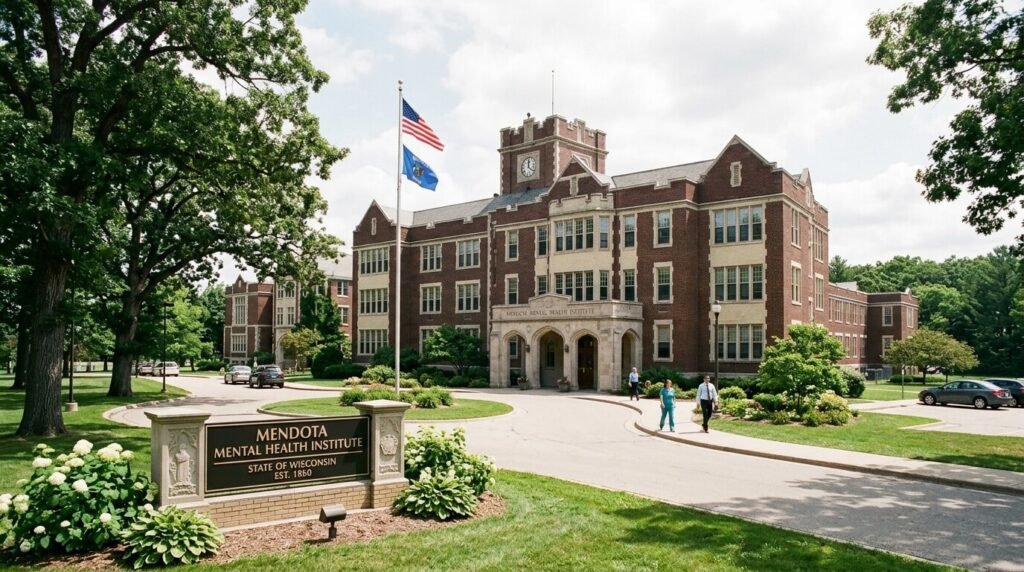

Mental health challenges affect millions of people every year, yet many patients and families struggle to find safe, professional, and supportive treatment centers. Concerns about patient safety, quality of care, treatment methods, and facility conditions often make the search even more stressful. The solution is choosing a trusted institution that focuses on recovery, protection, and long-term support. Mendota Mental Health Institute is known for providing specialized mental healthcare services, patient-centered treatment, secure facilities, and professional psychiatric support for individuals with serious mental health conditions.
Understanding Mendota Mental Health Institute
Mendota Mental Health Institute is a well-known state-operated psychiatric hospital located in Wisconsin. The institute provides specialized mental healthcare for adults who require structured psychiatric treatment and support.
The facility focuses on individuals with serious mental illnesses, behavioral disorders, and forensic mental health needs. Over the years, the institute has become an important part of Wisconsin’s healthcare system by offering treatment, rehabilitation, and patient support services.
This respected mental health institute works closely with healthcare professionals, therapists, social workers, and support staff to improve patient wellbeing and recovery outcomes.
History and Background of the Institute
The institute has a long history in psychiatric care and mental health treatment. It was established to support individuals who required specialized care that could not always be managed in regular hospitals or outpatient settings.
Throughout the years, the organization has modernized its treatment approaches by focusing on:
- Patient safety
- Recovery-focused care
- Behavioral therapy
- Medical treatment
- Rehabilitation programs
- Community reintegration
The growth of mental healthcare services has increased the importance of institutions like this in supporting patients with complex mental health conditions.
Importance of Mental Health Facilities
Mental health conditions can affect emotions, thinking patterns, relationships, and daily life activities. Without proper treatment, many individuals may struggle with severe emotional distress or behavioral challenges.
A professional mental health care facility provides:
- Structured treatment programs
- Safe living environments
- Medication management
- Therapy sessions
- Crisis intervention
- Long-term psychiatric support
These facilities help patients stabilize their conditions and improve their quality of life.
Patient Care at Mendota Mental Health Institute
One of the most important goals of Mendota Mental Health Institute is providing high-quality patient care. Mental healthcare requires compassion, patience, medical expertise, and individualized treatment plans.
The institute focuses on understanding each patient’s needs and creating personalized care strategies.
Individualized Treatment Plans
Every patient receives a treatment plan based on their condition, medical history, and recovery goals.
Treatment plans may include:
- Psychiatric evaluations
- Medication management
- Counseling
- Group therapy
- Behavioral therapy
- Recreational activities
Customized care improves treatment effectiveness and helps patients make steady progress.
Professional Healthcare Teams
The institute employs trained professionals such as:
- Psychiatrists
- Psychologists
- Nurses
- Social workers
- Therapists
- Rehabilitation specialists
Team-based care allows healthcare providers to address both emotional and physical health concerns.
Safety Measures and Security Systems
Safety is one of the most critical aspects of psychiatric treatment. Patients, staff, and visitors all need protection within healthcare environments.
The institute follows strict safety procedures to maintain secure treatment settings.
Controlled Access Systems
Secure access systems help monitor entry and exit points throughout the facility. These systems protect patients and reduce unauthorized access.
Emergency Response Procedures
The institute prepares staff for emergencies through training and response planning. Emergency systems support fast action during medical or behavioral crises.
Patient Monitoring
Some patients require close observation depending on their condition. Healthcare staff regularly monitor patients to ensure their safety and emotional stability.
A professional psychiatric treatment center must balance security with compassionate care to maintain a healthy therapeutic environment.
Mental Health Services Offered
Modern psychiatric facilities provide a wide range of services to support patient recovery. The institute focuses on both short-term stabilization and long-term rehabilitation.
Psychiatric Evaluations
Mental health professionals assess emotional, behavioral, and psychological conditions to develop proper treatment strategies.
Medication Management
Psychiatrists monitor medications carefully to help patients manage symptoms safely and effectively.
Therapy Programs
Therapy is an essential part of mental healthcare recovery.
Common therapy methods include:
- Cognitive behavioral therapy
- Group counseling
- Trauma-informed therapy
- Family counseling
- Stress management programs
Rehabilitation Services
Rehabilitation programs help patients develop life skills, communication abilities, and coping strategies.
The goal of these programs is to prepare patients for healthier and more independent lives.
Role of Staff in Patient Recovery
Healthcare staff members play a major role in patient improvement. Their support helps create trust, stability, and emotional comfort.
Important responsibilities include:
- Monitoring patient wellbeing
- Providing emotional support
- Managing treatment plans
- Encouraging healthy routines
- Supporting crisis intervention
Compassionate care often improves patient confidence and participation in recovery programs.
Facility Environment and Living Conditions
A comfortable and structured environment supports emotional healing and patient recovery.
The institute focuses on creating spaces that promote:
- Safety
- Cleanliness
- Privacy
- Calm surroundings
- Organized daily routines
Patients benefit from environments designed to reduce stress and encourage stability.
Patient Rooms and Shared Spaces
Patient living areas are designed for comfort and supervision. Shared spaces allow social interaction and therapeutic activities.
Recreational Areas
Many psychiatric institutions provide recreational programs to improve mental wellbeing.
Activities may include:
- Art therapy
- Exercise programs
- Outdoor activities
- Educational sessions
- Music therapy
These programs support emotional balance and social development.
Mental Health and Community Support
Mental healthcare does not end after discharge from treatment programs. Community support is important for long-term recovery.
The institute may coordinate with:
- Community health agencies
- Social service providers
- Housing programs
- Outpatient clinics
- Family support networks
Strong community partnerships help patients transition more successfully after treatment.
Importance of Family Involvement
Families often play a key role in recovery and emotional support. Mental illness can affect entire households, which makes family education important.
Healthcare professionals may involve families through:
- Counseling sessions
- Treatment updates
- Educational programs
- Recovery planning
Family support can improve communication, trust, and patient outcomes.
Mental Health Challenges in Modern Society
Mental health disorders continue to increase globally due to stress, trauma, social isolation, and emotional pressures.
Common mental health conditions include:
- Depression
- Anxiety disorders
- Bipolar disorder
- Schizophrenia
- Post-traumatic stress disorder
Professional institutions like Mendota Mental Health Institute help individuals receive structured care when symptoms become severe or difficult to manage independently.
Importance of a Structured Treatment Environment
Structured treatment environments help patients build healthy habits and emotional stability.
Daily routines may include:
- Therapy sessions
- Medication schedules
- Wellness activities
- Educational programs
- Supervised recreation
Consistency often improves emotional regulation and recovery progress.
Technology and Modern Mental Healthcare
Technology is changing how psychiatric facilities manage treatment and patient support.
Modern systems may include:
- Electronic health records
- Digital patient monitoring
- Telehealth services
- Online therapy resources
- Medication tracking systems
Technology can improve communication, treatment accuracy, and healthcare efficiency.
Staff Training and Professional Development
Mental healthcare professionals require continuous education and training. New treatment methods, safety protocols, and patient care standards continue evolving.
Training areas often include:
- Crisis intervention
- Trauma-informed care
- Patient communication
- Medication safety
- Emergency response
Well-trained staff contribute to safer and more effective treatment environments.
Challenges Faced by Psychiatric Facilities
Mental healthcare institutions often face complex challenges.
Common challenges include:
- Staff shortages
- Funding limitations
- Increasing patient demand
- Mental health stigma
- Long-term treatment needs
Despite these challenges, healthcare facilities continue working to improve patient care and treatment quality.
Mental Health Awareness and Reducing Stigma
Mental illness is still misunderstood in many communities. Some individuals avoid seeking treatment because of fear, embarrassment, or social stigma.
Mental health awareness programs help:
- Encourage early treatment
- Improve public understanding
- Reduce discrimination
- Support emotional wellbeing
- Promote healthy conversations
Healthcare organizations play an important role in changing public attitudes about mental illness.
Health Care Privacy Part 2: Key Rules Every Patient Should Know
Recovery and Rehabilitation Goals
The primary goal of psychiatric treatment is helping patients achieve stability and improve their quality of life.
Recovery goals may include:
- Symptom management
- Emotional stability
- Better communication
- Independent living skills
- Social reintegration
Each patient’s recovery journey is different, which is why individualized care remains essential.
Future of Mental Healthcare Facilities
Mental healthcare continues evolving as medical research improves understanding of emotional and behavioral conditions.
Future improvements may include:
- Advanced treatment methods
- Better patient-centered care
- Expanded therapy programs
- Improved facility designs
- Greater community support services
Healthcare systems are increasingly focusing on recovery-focused and compassionate treatment models.
Why Specialized Psychiatric Care Matters
Patients with severe mental health conditions often require more intensive support than regular hospitals can provide.
A specialized psychiatric treatment center offers:
- Secure treatment settings
- Specialized medical expertise
- Long-term psychiatric support
- Behavioral stabilization
- Therapeutic rehabilitation
These services are critical for patients who need structured and supervised care.
Creating Safe and Supportive Healthcare Environments
Safety and compassion must work together in mental healthcare settings. Patients recover more effectively when they feel respected, protected, and understood.
Professional healthcare facilities focus on:
- Respectful patient treatment
- Emotional support
- Safe living conditions
- Medical supervision
- Positive therapeutic relationships
Strong healthcare environments encourage trust and recovery.
Conclusion
Mental healthcare institutions play a vital role in supporting individuals with serious emotional and psychiatric conditions. Safe treatment environments, experienced healthcare professionals, personalized care plans, and rehabilitation programs all contribute to patient recovery and wellbeing.
Mendota Mental Health Institute continues to serve as an important provider of psychiatric care, patient protection, and mental health support. Through structured treatment programs, therapy services, professional staff, and secure facilities, the institute helps patients work toward emotional stability and healthier lives.
As awareness of mental health continues growing, institutions like this remain essential for providing compassionate treatment, promoting recovery, and improving the future of mental healthcare services.