
Introduction
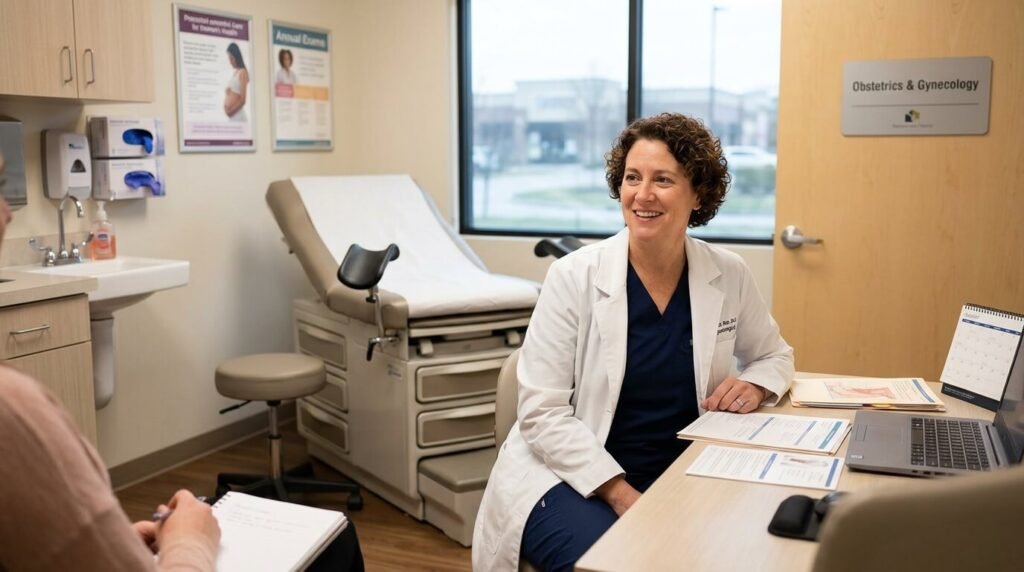
Searching for a gynecologist near me can feel overwhelming. With hundreds of clinics, online reviews, and healthcare providers available, many women struggle to determine which specialist is qualified, trustworthy, and suitable for their specific health needs. The good news is that finding the right gynecologist becomes much easier when you know what credentials to look for, which questions to ask, and how to evaluate a provider’s experience and patient care approach. This guide explains everything you need to know to confidently choose the best women’s health specialist for your long-term reproductive and overall wellness.
What Is a Gynecologist?
A gynecologist is a medical doctor who specializes in women’s reproductive health. They diagnose, treat, and prevent conditions affecting the female reproductive system, including the uterus, ovaries, cervix, fallopian tubes, and vagina.
Gynecologists provide care for women throughout different stages of life, from adolescence to menopause and beyond. Many gynecologists are also Obstetrician-Gynecologists (OB-GYNs), meaning they provide pregnancy and childbirth care in addition to gynecological services.
Common services offered by gynecologists include:
- Annual wellness exams
- Pap smears and cervical cancer screenings
- Birth control counseling
- Pregnancy planning
- Fertility evaluations
- Menopause management
- STI testing and treatment
- Treatment for menstrual disorders
- Management of reproductive health conditions
According to leading women’s health organizations, regular gynecological care is an essential part of preventive healthcare for women.
Why Finding the Right Gynecologist Matters
Your gynecologist plays a significant role in your long-term health. Unlike many healthcare specialists, a gynecologist often becomes a trusted medical partner for decades.
The right provider can:
- Detect health conditions early
- Guide family planning decisions
- Support healthy pregnancies
- Manage hormonal changes
- Address reproductive health concerns
- Provide preventive screenings
- Improve overall quality of life
Choosing the wrong provider may lead to delayed diagnoses, poor communication, and discomfort discussing sensitive health concerns.
When Should You Visit a Gynecologist?
Many women search for a “gynecologist near me” only when they experience symptoms. However, preventive care is equally important.
You should consider seeing a gynecologist if you experience:
Irregular Periods
Changes in menstrual cycles may indicate hormonal imbalances, PCOS, thyroid disorders, or other health concerns.
Pelvic Pain
Persistent pelvic pain should always be evaluated by a qualified specialist.
Pregnancy Planning
Women planning to conceive benefit from pre-pregnancy counseling and health assessments.
Menopause Symptoms
Hot flashes, mood changes, sleep disturbances, and hormonal fluctuations can often be managed effectively.
Unusual Bleeding
Unexpected bleeding between periods or after menopause requires medical evaluation.
Fertility Concerns
If pregnancy has not occurred after months of trying, a gynecologist can begin fertility assessments.
How to Search for a Gynecologist Near Me
Finding the right specialist requires more than choosing the first clinic that appears online.
Use Google Search Effectively
When searching online, try keywords such as:
- Gynecologist near me
- Female gynecologist near me
- Best OB-GYN near me
- Women’s health specialist near me
- Gynecology clinic near me
Check Healthcare Directories
Professional directories often provide verified information regarding:
- Credentials
- Specializations
- Experience
- Clinic locations
- Patient reviews
Ask for Referrals
Recommendations from:
- Primary care physicians
- Friends
- Family members
- Other healthcare professionals
can often lead to highly trusted providers.
Qualities to Look for in a Gynecologist
Not all specialists offer the same level of expertise or patient experience.
Board Certification
Board certification demonstrates that the physician has completed specialized training and passed rigorous examinations.
Clinical Experience
An experienced gynecologist has likely treated a wide range of conditions and can provide better diagnostic insight.
Communication Skills
Patients should feel comfortable discussing:
- Menstrual health
- Sexual health
- Fertility concerns
- Pregnancy
- Menopause
Good communication builds trust and improves outcomes.
Compassion and Empathy
Women’s health concerns are often deeply personal. A caring provider helps patients feel respected and understood.
Availability
Consider:
- Appointment wait times
- Office hours
- Emergency access
- Telehealth availability
Should You Choose a Female or Male Gynecologist?
This decision is entirely personal.
Some women prefer female gynecologists because they may feel more comfortable discussing intimate concerns.
Others prioritize:
- Experience
- Expertise
- Communication style
- Reputation
Research consistently shows that professional competence and patient satisfaction matter more than physician gender.
Understanding Gynecologist Reviews and Ratings
Online reviews can provide valuable insight, but they should be interpreted carefully.
Look for patterns regarding:
Positive Indicators
- Friendly staff
- Short wait times
- Clear explanations
- Thorough examinations
- Good follow-up care
Warning Signs
- Consistent complaints
- Poor communication
- Difficulty scheduling appointments
- Billing issues
- Rushed consultations
One negative review is normal. Repeated complaints deserve attention.
Questions to Ask During Your First Appointment
Your first visit is an opportunity to evaluate whether the specialist is right for you.
Consider asking:
- What conditions do you specialize in?
- How often should I have screenings?
- What preventive care do you recommend?
- What treatment options are available?
- How do you handle emergencies?
- Do you offer telemedicine appointments?
The answers can help determine whether the provider matches your healthcare goals.
Common Conditions Treated by Gynecologists
Gynecologists diagnose and treat many reproductive health conditions.
Polycystic Ovary Syndrome (PCOS)
PCOS affects hormone levels and can cause:
- Irregular periods
- Weight gain
- Acne
- Fertility challenges
Endometriosis
A condition where tissue similar to the uterine lining grows outside the uterus.
Symptoms include:
- Severe cramps
- Pelvic pain
- Infertility
Uterine Fibroids
Non-cancerous growths that may cause:
- Heavy bleeding
- Pelvic pressure
- Frequent urination
Ovarian Cysts
Fluid-filled sacs that can sometimes require monitoring or treatment.
Menopause-Related Conditions
Gynecologists help manage hormonal changes and symptoms associated with menopause.
What Happens During a Gynecological Exam?
Many first-time patients feel nervous about their appointment.
A typical exam may include:
Medical History Review
Your provider will discuss:
- Current symptoms
- Menstrual history
- Medications
- Family history
Physical Examination
Depending on your age and concerns, the doctor may perform:
- Breast examination
- Pelvic examination
- Pap smear
Laboratory Testing
Tests may include:
- STI screening
- Hormone testing
- Pregnancy testing
- Blood work
Most appointments are straightforward and designed to support preventive health.
Gynecologist vs. OB-GYN: What’s the Difference?
Many people use these terms interchangeably.
Gynecologist
Focuses primarily on reproductive and women’s health concerns.
OB-GYN
Provides gynecological care plus:
- Pregnancy management
- Prenatal care
- Labor and delivery services
Women planning pregnancy often prefer an OB-GYN because of the continuity of care.
How Often Should You See a Gynecologist?
Frequency depends on age, medical history, and health needs.
Generally, women benefit from:
- Annual wellness visits
- Routine screenings
- Follow-up appointments when symptoms arise
Regular preventive care can identify health concerns before they become serious.
Cost Considerations When Choosing a Gynecologist
Healthcare costs vary significantly.
Before scheduling an appointment:
Verify Insurance Coverage
Check whether the provider:
- Accepts your insurance plan
- Is in-network
- Offers payment plans
Ask About Costs
Request information regarding:
- Consultation fees
- Diagnostic tests
- Procedures
- Follow-up visits
Understanding costs beforehand helps avoid unexpected expenses.
Red Flags to Watch For
When selecting a gynecologist, be cautious if you notice:
- Poor communication
- Dismissive behavior
- Lack of transparency
- Outdated practices
- Consistently negative reviews
- Difficulty obtaining records
A strong patient-provider relationship is built on trust and respect.
Tips for Building a Long-Term Relationship With Your Gynecologist
A trusted specialist can support your health for many years.
To build a successful relationship:
- Attend regular appointments
- Ask questions openly
- Share symptoms honestly
- Follow treatment plans
- Maintain updated medical records
Long-term care often leads to better health outcomes and more personalized treatment.
Conclusion
Finding the right gynecologist near me is one of the most important healthcare decisions a woman can make. The ideal provider combines medical expertise, strong communication skills, compassion, and a commitment to preventive care. Whether you need routine screenings, pregnancy support, fertility guidance, menopause management, or treatment for a specific condition, choosing a trusted gynecologist can significantly improve your health and well-being. Take time to research credentials, read reviews, ask questions, and prioritize comfort and trust. With the right women’s health specialist, you’ll gain a valuable healthcare partner for every stage of life.