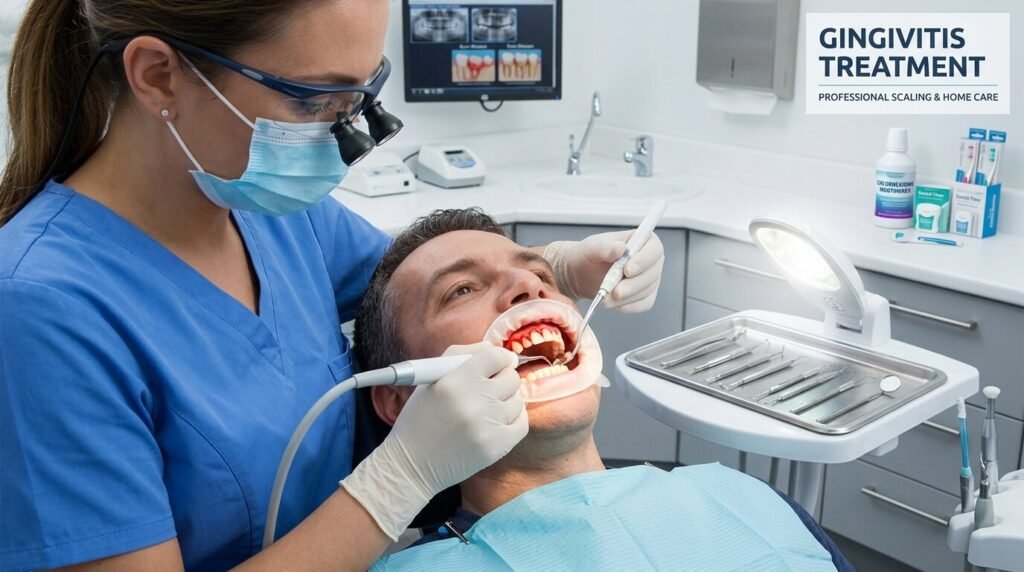

Gingivitis is one of the most common early-stage gum diseases, yet many people ignore its warning signs until it becomes painful or turns into a more serious condition like periodontitis. The problem usually starts with plaque buildup due to poor oral hygiene, leading to red, swollen, or bleeding gums. The good news is that with proper care, gingivitis is reversible in most cases. Effective gingivitis treatment includes improved brushing habits, professional dental cleaning, and consistent oral hygiene practices that stop bacteria from damaging the gums.
In this guide, you will learn everything about causes, symptoms, treatments, prevention strategies, and expert-backed solutions based on common themes found in top-ranking dental health resources.
What is Gingivitis?
Gingivitis is the mildest form of gum disease caused by plaque accumulation along the gumline. Plaque is a sticky film of bacteria that forms when food particles and saliva mix on the teeth. If not removed through daily brushing and flossing, it irritates the gums and triggers inflammation.
Unlike advanced gum disease, gingivitis does not usually cause permanent damage to teeth or bone. However, if left untreated, it can progress into periodontitis, which can lead to tooth loss.
Causes of Gingivitis
Understanding the causes helps in choosing the right treatment approach. The most common causes include:
- Poor oral hygiene habits
- Plaque and tartar buildup
- Smoking or tobacco use
- Hormonal changes (pregnancy, puberty, menopause)
- Diabetes and other medical conditions
- Certain medications that reduce saliva flow
- Poor nutrition, especially vitamin C deficiency
Most dental experts emphasize that plaque control is the key factor in preventing gum inflammation.
Symptoms of Gingivitis
Recognizing early symptoms is crucial for timely care. Common signs include:
- Red or swollen gums
- Bleeding while brushing or flossing
- Bad breath (halitosis)
- Tender or sensitive gums
- Gum recession in early stages
- Soft or puffy gum texture
These symptoms often appear slowly, which is why many people overlook them until the condition worsens.
Gingivitis Treatment Options
The primary goal of gingivitis treatment is to remove plaque, reduce inflammation, and restore healthy gum tissue. According to common dental guidelines seen across leading health sources, treatment is most effective when started early.
Professional Dental Cleaning
Dentists perform scaling and root planing to remove plaque and tartar from above and below the gumline. This is one of the fastest ways to reduce gum inflammation.
Improved Oral Hygiene Routine
Brushing twice daily with fluoride toothpaste and flossing daily helps prevent bacterial buildup.
Antibacterial Mouthwash
Mouth rinses containing chlorhexidine or essential oils can reduce bacteria in the mouth.
Lifestyle Changes
Quitting smoking and improving diet significantly support gum healing.
Early intervention is critical because untreated gingivitis can progress into irreversible gum disease.
Professional Dental Treatments for Gingivitis
Dentists may recommend several clinical procedures depending on severity:
- Scaling and polishing: Removes hardened tartar
- Root planing: Smooths tooth roots to help gums reattach
- Antibiotic therapy: Used in severe bacterial cases
- Dental checkups every 6 months: For monitoring gum health
These treatments are often combined with at-home care for long-term success.
Home Remedies for Gum Health
Natural care methods can support recovery when used alongside dental treatment:
- Warm saltwater rinses to reduce inflammation
- Oil pulling with coconut oil to reduce bacteria
- Aloe vera gel for soothing gums
- Green tea for its antioxidant properties
- Proper hydration to maintain saliva flow
While these remedies can help, they should not replace professional dental care.
One of the most important aspects of gingivitis treatment at home is consistency—daily habits matter more than occasional effort.
Oral Hygiene Routine for Healthy Gums
A strong oral care routine is the foundation of gum health:
- Brush teeth for 2 minutes twice daily
- Use a soft-bristle toothbrush
- Floss at least once a day
- Clean the tongue to remove bacteria
- Replace toothbrush every 3 months
Dentists consistently highlight that most gingivitis cases improve significantly with proper hygiene within a few weeks.
Prevention Tips for Gingivitis
Preventing gum disease is easier than treating it. Key strategies include:
- Maintain regular dental checkups
- Limit sugary and acidic foods
- Avoid smoking and tobacco products
- Eat vitamin-rich foods (especially vitamin C and calcium)
- Manage stress, which affects immune response
Good prevention habits reduce the risk of recurrence and support long-term oral health.
Early gingivitis treatment combined with prevention habits ensures gums remain healthy and strong.
Diet and Nutrition for Gum Health
Food plays a major role in oral health. A balanced diet helps strengthen gums and teeth:
- Citrus fruits (vitamin C for gum repair)
- Leafy greens (calcium and folic acid)
- Dairy products (strengthen enamel)
- Nuts and seeds (minerals for tissue repair)
- Water (helps wash away food particles)
Avoid excessive sugar and processed foods, as they feed harmful bacteria in the mouth.
When to See a Dentist
You should visit a dentist if you notice:
- Bleeding gums lasting more than a week
- Persistent bad breath
- Gum swelling or pain
- Loose teeth or gum recession
Seeking professional help early improves recovery outcomes. Delaying care increases the risk of progression to advanced gum disease.
At this stage, gingivitis treatment becomes more intensive and may require deep cleaning procedures or medication.
Frequently Asked Questions
Can gingivitis go away on its own?
No. It requires proper oral hygiene and sometimes professional cleaning.
How long does recovery take?
With proper care, improvement can be seen within 1–2 weeks.
Is gingivitis permanent?
No, it is reversible in early stages.
Can mouthwash cure gingivitis?
Mouthwash helps control bacteria but cannot replace brushing and flossing.
Conclusion
Gingivitis is an early warning sign that your gums need attention. Although it is common, it should not be ignored because it can progress into serious dental problems if left untreated. The best approach combines professional dental care, daily oral hygiene, healthy eating, and lifestyle changes. With timely action, most cases are fully reversible. Consistency is the key to success, and adopting proper habits ensures long-term gum health and a confident smile.