
Introduction
A stye is a painful, red lump that forms on the edge of your eyelid. It can make your eye swollen, sore, and uncomfortable. Many people worry about how to treat a stye quickly and safely. The good news is that most styes heal on their own with simple home care. Warm compresses, good eyelid hygiene, and proper medical treatment when needed can help reduce pain and speed up healing. In this guide, you will learn everything you need to know about how to treat a stye, including its causes, symptoms, home remedies, medical treatments, and ways to prevent it from coming back.
What Is a Stye?
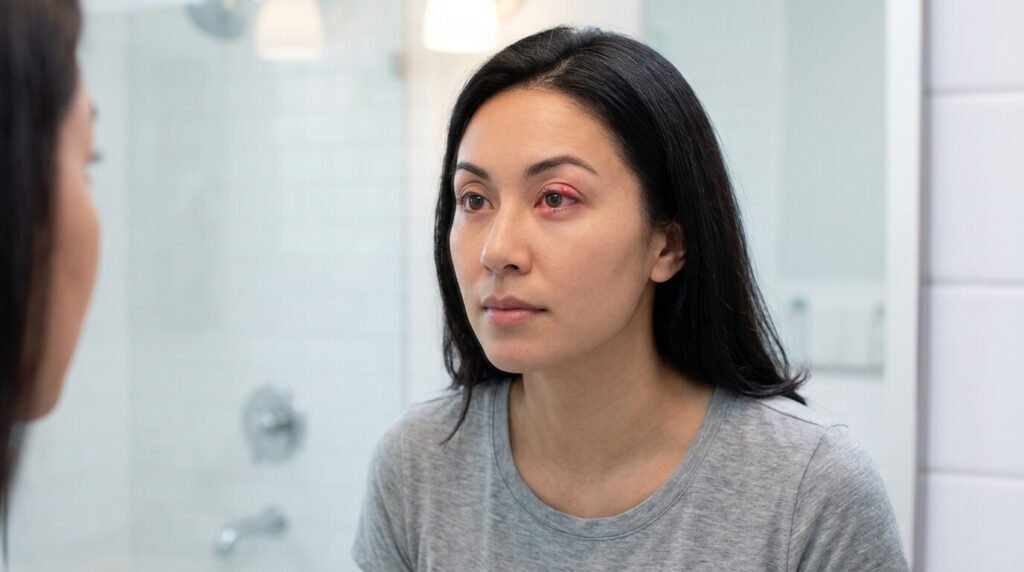
A stye, also called a hordeolum, is a small infection of an oil gland near the eyelid. It usually appears as a red, swollen bump that looks similar to a pimple.
A stye can develop on:
- The outside edge of the eyelid
- The inside of the eyelid
Most styes are caused by bacteria that infect blocked oil glands.
Common Signs and Symptoms of a Stye
The symptoms usually appear quickly and may include:
- A painful lump on the eyelid
- Redness around the eye
- Swelling of the eyelid
- Tenderness when touching the eyelid
- Watery eyes
- Eye irritation
- Feeling like something is stuck in the eye
- Mild sensitivity to light
Sometimes a small yellow spot forms on the stye. This means it is filling with pus.
What Causes a Stye?
Understanding the cause can help prevent future infections.
Common causes include:
- Blocked oil glands
- Bacterial infection
- Touching your eyes with dirty hands
- Poor eyelid hygiene
- Wearing old or dirty eye makeup
- Sleeping with makeup on
- Using dirty contact lenses
- Blepharitis (long-term eyelid inflammation)
- Skin conditions such as rosacea
People with diabetes or weakened immune systems may develop styes more often.
How to Treat a Stye at Home
Many people wonder how to treat a stye without visiting a doctor. In most cases, home treatment works well.
Apply a Warm Compress
This is the most effective home remedy.
Follow these steps:
- Wash your hands.
- Soak a clean cloth in warm water.
- Wring out extra water.
- Place it over your closed eyelid for 10 to 15 minutes.
- Repeat 3 to 5 times each day.
The warmth helps open the blocked gland and allows the pus to drain naturally.
Keep Your Eyelid Clean
Gently clean your eyelid every day.
You can use:
- Warm water
- Mild baby shampoo mixed with water
- Eyelid cleansing wipes
Cleaning removes bacteria and reduces irritation.
Avoid Squeezing the Stye
Never pop or squeeze a stye.
Doing this can:
- Spread the infection
- Make swelling worse
- Delay healing
- Increase the risk of complications
Allow the stye to drain naturally.
Stop Wearing Eye Makeup
Avoid using:
- Mascara
- Eyeliner
- Eyeshadow
Eye makeup can spread bacteria and slow healing.
Throw away old makeup if it may be contaminated.
Avoid Contact Lenses
Wear glasses until the stye heals.
Contact lenses may become contaminated and increase irritation.
Always disinfect or replace your lenses before wearing them again.
Medical Treatments for a Stye
Sometimes home care is not enough.
A doctor may recommend:
Antibiotic Ointment
If the infection spreads or does not improve, your doctor may prescribe an antibiotic eye ointment.
Always use it exactly as directed.
Oral Antibiotics
Oral antibiotics are only needed if:
- The infection spreads into surrounding skin
- You develop eyelid cellulitis
- Swelling becomes severe
Most people do not need oral antibiotics.
Draining the Stye
If the stye becomes very large or painful, an eye doctor may make a small opening to drain it safely.
Do not try to drain it yourself.
How Long Does a Stye Last?
Most styes improve within:
- 2 to 3 days with warm compresses
- 7 to 10 days for complete healing
Larger styes may take up to two weeks.
Patience and proper care usually lead to a full recovery.
When Should You See a Doctor?
Although most styes are harmless, seek medical care if:
- Pain becomes severe
- Vision becomes blurry
- Swelling spreads across the eyelid
- The eye becomes very red
- You have fever
- The stye lasts longer than two weeks
- The stye keeps coming back
An eye doctor can check for other eye conditions and provide the right treatment.
Can You Prevent a Stye?
Yes. Good hygiene greatly lowers your risk.
Tips include:
- Wash your hands often.
- Avoid rubbing your eyes.
- Remove makeup before sleeping.
- Replace eye makeup every three months.
- Clean contact lenses properly.
- Wash reusable makeup brushes regularly.
- Keep your eyelids clean if you have blepharitis.
These simple habits help protect your eyes from infection.