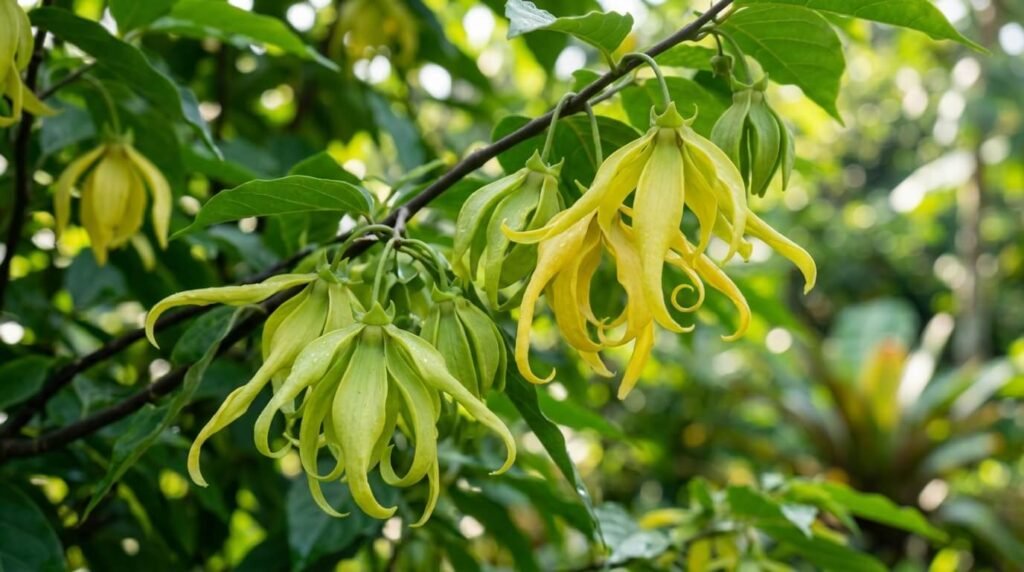

ylang ylang is one of the world’s most popular fragrant flowers. It is widely used in aromatherapy, perfumes, skincare, and haircare products because of its sweet floral scent and calming properties. Extracted from the flowers of the Cananga odorata tree, this essential oil has been valued for centuries across Southeast Asia.
Today, ylang ylang remains a favorite ingredient in wellness products. While many traditional uses are popular, scientific research supports only some of the claimed health benefits. Understanding how to use it correctly can help you enjoy its advantages safely.
What Is ylang ylang?
ylang ylang comes from the tropical Cananga odorata tree, which grows mainly in the Philippines, Indonesia, Malaysia, Madagascar, and nearby regions. The bright yellow flowers are harvested early in the morning and steam-distilled to produce essential oil.
The oil has a rich floral fragrance with fruity and slightly spicy notes. Because of this unique aroma, it is a common ingredient in luxury perfumes, soaps, candles, and cosmetics.
Main Benefits of ylang ylang
1. Helps Promote Relaxation
One of the best-known benefits of ylang ylang is its calming aroma. Aromatherapy users often diffuse the oil to create a peaceful environment. Some small studies suggest inhaling the scent may reduce anxiety and improve mood, although larger studies are still needed.
2. Supports Emotional Wellness
Many people use ylang ylang during meditation, yoga, or stressful days. Its pleasant fragrance may encourage relaxation and emotional balance while helping reduce feelings of tension. However, it should not replace professional treatment for anxiety or depression.
3. Popular in Skincare
The essential oil is frequently added to facial creams, lotions, and serums. It contains natural compounds that may help balance skin oil production, making it useful for both dry and oily skin when properly diluted.
4. Encourages Healthy Hair
Haircare products often include ylang ylang because it may moisturize the scalp and improve hair softness. Mixing diluted oil with a carrier oil before scalp massage is a common practice.
5. Used in Premium Perfumes
The sweet floral fragrance makes ylang ylang one of the most valuable perfume ingredients. It blends well with jasmine, rose, bergamot, sandalwood, patchouli, lavender, and citrus oils.
Common Uses
People enjoy this essential oil in several ways:
- Aromatherapy diffusers
- Massage oils
- Homemade skincare products
- Hair oils
- Bath products
- Candles
- Perfumes
- Natural room sprays
Always dilute essential oils before applying them to the skin.
Scientific Evidence
Although traditional medicine credits ylang ylang with many health benefits, current scientific evidence remains limited.
Research suggests the oil may:
- Reduce temporary stress
- Improve mood
- Promote relaxation
- Slightly lower heart rate and blood pressure during aromatherapy sessions
- Show antimicrobial activity in laboratory studies
Scientists continue to study its effects, but there is not enough evidence to recommend it as a treatment for medical conditions.
How to Use ylang ylang Safely
Proper use is essential.
Diffuser
Add 3–5 drops to an essential oil diffuser to enjoy its floral aroma throughout your home.
Massage
Mix one or two drops with a teaspoon of carrier oil such as coconut, jojoba, or sweet almond oil before applying to the skin.
Bath
Blend a few diluted drops into bath water for a relaxing experience.
Hair Care
Add one or two diluted drops to hair oil or conditioner before application.
Safety Tips
Although generally safe when used correctly, ylang ylang may cause allergic reactions in some people.
Follow these precautions:
- Never apply undiluted oil directly to skin.
- Perform a patch test before first use.
- Avoid contact with eyes.
- Keep away from children.
- Consult a healthcare professional during pregnancy or while breastfeeding.
- Stop use if irritation develops.
The oil contains compounds that may trigger skin sensitivity in certain individuals.
Choosing High-Quality Oil
When shopping for essential oils, look for:
- Pure steam-distilled oil
- Botanical name: Cananga odorata
- Dark glass bottle
- No artificial fragrances
- Trusted manufacturer
- Clear ingredient labeling
High-quality oils generally provide better fragrance and purity.
Frequently Asked Questions
Is ylang ylang safe every day?
Yes, when diluted properly and used in moderation. Daily diffusion or occasional topical use is generally considered safe for most healthy adults.
Can it improve sleep?
Many people find its relaxing fragrance helpful before bedtime. While research is limited, aromatherapy may support better relaxation and sleep quality for some users.
Does it help hair growth?
There is no strong scientific evidence that it directly stimulates hair growth. However, it may improve scalp moisture and overall hair condition.
Can it reduce stress?
Some small studies suggest aromatherapy with this essential oil may reduce temporary stress and promote calmness, but it should not replace medical care.
Final Thoughts
ylang ylang continues to be one of the most loved essential oils because of its rich fragrance and versatile applications. From aromatherapy and skincare to perfumes and haircare, it offers many practical uses. Although research supports some calming effects, many traditional claims still require stronger scientific evidence.
When used correctly and safely, this fragrant oil can become a pleasant addition to your wellness routine without replacing professional medical advice.