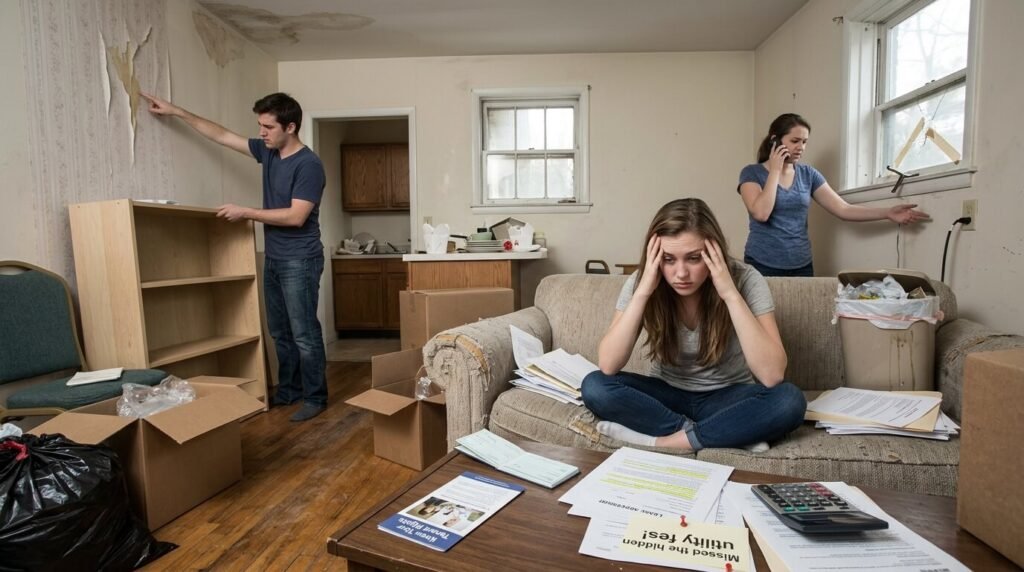

Finding a place to rent should feel exciting, not stressful. But if you’ve ever signed a lease and regretted it a month later, you know how it happens — a fee buried in the fine print, an apartment that’s farther from work than the map made it look. Moving across town or into a new city both come with a learning curve, and rushing is usually where things go sideways.
This guide covers the renting mistakes that trip people up most often, why they happen, and what to do instead so your next lease has fewer surprises attached to it.
Why These Mistakes Keep Happening
It’s rarely carelessness. It’s timing. You’re juggling work, a lease deadline is closing in, and the first apartment that seems “good enough” starts to look like the easy way out. That’s usually the moment corners get cut — a walkthrough gets skipped, a lease gets skimmed instead of read.
None of this is unusual, and none of it is hard to fix once you know where the pressure points are.
1. Skipping the Walkthrough
Photos flatter a unit. Good lighting and a wide-angle lens can make a cramped bedroom look roomy, or hide the water stain on the ceiling.
Walk the apartment yourself, or ask for a live video tour if you’re relocating from out of state. Run the faucets. Flip the light switches. Open a closet or two. If you can, view the place at a different time of day than your first visit — a unit that looks fine at 10 a.m. can feel very different once the neighbor’s porch light and traffic noise show up at 9 p.m.
2. Not Reading the Whole Lease
Leases are long, and the language isn’t exactly beach reading, so people skim. But early termination fees, pet deposits, guest policies, and maintenance responsibilities are usually sitting in the paragraphs nobody bothers to finish — and they’re the ones that end up costing money later.
Give yourself 20 or 30 uninterrupted minutes with the document before you sign anything. Any leasing office worth working with will explain a confusing clause in plain English if you ask.
3. Forgetting What Rent Doesn’t Include
The advertised rent is the number that gets all the attention, but it’s rarely the whole bill. Utilities, parking, pet rent, renters insurance, application fees — none of that shows up in the listing price, and it adds up fast if nobody mentions it upfront.
Ask directly: what’s included, and what isn’t? A management team that answers that clearly, without hedging, is usually one you can trust with the rest of the process too.
4. Ignoring the Neighborhood and Commute
A great apartment in the wrong spot is still the wrong apartment. A long commute, no grocery store within reach, nothing to do nearby — these are the things people notice after they’ve already signed.
Drive or walk the area more than once, and at different times: a weekday morning, a weekend night. You’ll pick up on traffic patterns, noise, and how walkable things actually are — details that don’t show up in a single afternoon visit. It’s also worth mapping the distance to the places you’ll actually go: work, the grocery store, your kid’s school, the highway on-ramp.
5. Overlooking Pets and Pet-Friendly Amenities
If you have a pet, their day-to-day comfort matters as much as yours does. “Pets allowed” and “pets have somewhere to actually run around” are two very different things, and it’s worth knowing which one you’re getting.
The Lakeside Nest, for example, includes a bark park and pet sanitation stations alongside its one-, two-, and three-bedroom floor plans — worth a mention if outdoor pet space is on your list.
Before you call about a listing, have a few questions ready: breed or weight restrictions? A dedicated pet area? Is the pet deposit refundable, or is it really just an extra fee?
6. Skipping Verification on the Landlord or PM Company
Rental scams show up more often than people expect, especially on third-party listing sites — fake listings, requests to wire money, prices that seem a little too good. Even careful renters get caught off guard.
Don’t send money or book a move-in appointment until you’ve confirmed who you’re actually dealing with. A search of the property name plus “reviews” usually surfaces enough to confirm you’ve got the right team at the right address.
7. Not Documenting Move-In Condition
This single oversight is behind more lost security deposits than almost anything else. If the existing scuffs and scratches aren’t documented before you move in, proving you didn’t cause them later is an uphill fight.
Photograph or film every room, closet, and appliance on move-in day, with a timestamp if your phone supports it. Send a copy to your property manager and keep one for yourself.
8. Choosing on Price Alone
The cheapest listing isn’t automatically the best deal. Lower rent sometimes means older appliances, slower maintenance response, or a location that quietly adds to your gas bill every month.
Look at the full picture instead — what’s included, how fast maintenance actually responds, how the location fits your routine. Sometimes the “smaller” number costs more once everything else is factored in.
Key Takeaways
- Most renting mistakes come down to rushing, not carelessness.
- Tour the unit yourself — virtually or in person — before signing anything.
- Read the full lease, and ask about anything that’s unclear.
- Ask what’s included in rent before you commit to a number.
- Document the apartment’s condition the day you move in.
Frequently Asked Questions
What’s the biggest mistake first-time renters make?
Signing after only a quick skim of the lease. The details around fees, notice periods, and who’s responsible for what are usually where the regret shows up later.
How early should I start looking for an apartment?
Most renters start about 30 to 45 days out from their target move-in date — enough time to compare a few options without feeling pressured into the first one.
Is an in-person tour really necessary if the photos look good?
Yes. Photos rarely show a noisy shared wall, poor ventilation, or a layout that just doesn’t work once you’re standing in it.
What should I ask about pet policies before signing?
Ask about breed or weight restrictions, whether there’s a dedicated outdoor pet area, and whether the pet deposit is refundable.
How do I protect my security deposit?
Photograph or film the apartment’s condition on move-in day, and keep written records of any maintenance requests during your lease.
Take the Next Step
A little extra time upfront — reading the lease closely, asking a few pointed questions, documenting the unit before you move in — tends to save renters real money and a fair amount of stress down the road.
If you’re looking near Jacksonville University in Arlington, The Lakeside Nest offers one-, two-, and three-bedroom floor plans along with two swimming pools, a playground, a basketball court, outdoor fitness equipment, and a bark park. Explore available floor plans, review community amenities, or schedule a tour to see it for yourself.