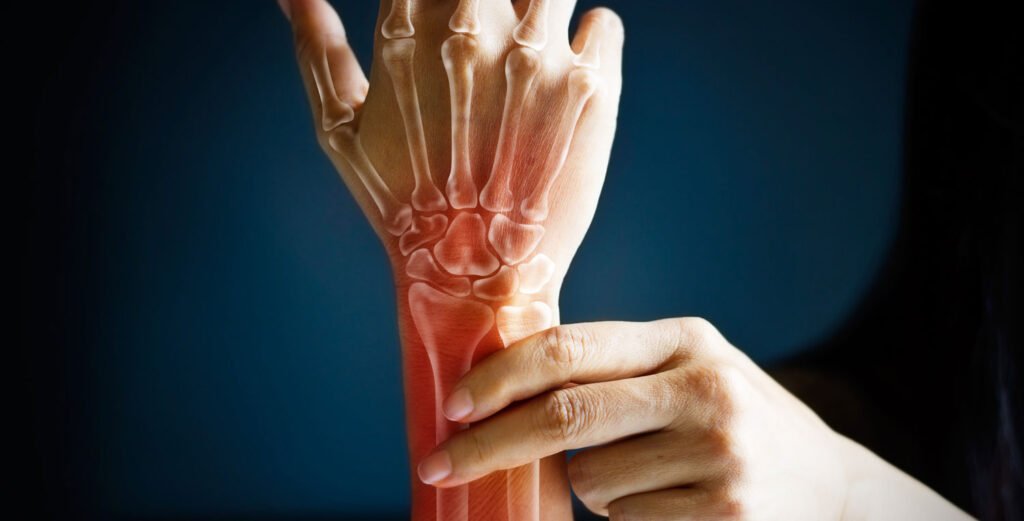

Strong bones support almost everything you do, from walking and exercising to protecting vital organs. Yet many people think about Bone Health only after they experience a fracture or receive an osteoporosis diagnosis. The good news is that healthy habits can support stronger bones throughout life. A balanced diet, regular physical activity, enough calcium and vitamin D, and healthy lifestyle choices can all help protect your skeleton and reduce the risk of bone loss.
What Is Bone Health?
Bone Health refers to the strength, density, structure, and overall condition of your bones. Bones are living tissues that continuously change through a process called remodeling. The body removes older bone and replaces it with new bone. When you are young, bone formation generally happens faster than bone loss. As you age, this balance can change, making it increasingly important to protect bone strength.
Most people reach their peak bone mass around early adulthood. Building strong bones during childhood and the teenage years provides an important foundation, but adults can still take meaningful steps to maintain their bones and slow age-related loss.
Why Bone Health Matters
Weak bones may not cause obvious symptoms until a fracture occurs. Osteoporosis is one of the most common conditions associated with reduced bone density. It makes bones thinner and weaker and can increase the risk of fractures, particularly in areas such as the hip, spine, and wrist.
Good Bone Health therefore involves more than simply having enough calcium. Your muscles, balance, nutrition, physical activity, lifestyle habits, medical conditions, and certain medications can all influence your risk of bone loss.
Calcium: A Key Nutrient for Strong Bones
Calcium is one of the most important nutrients for maintaining healthy bones. The body uses calcium to support the structure and strength of the skeleton. Dairy products, calcium-fortified foods, tofu, soy products, and certain green vegetables can provide useful amounts of calcium.
How much calcium you need depends on your age and sex. For example, Mayo Clinic guidance notes that many adults ages 19 to 50 need about 1,000 milligrams per day, while some older adults need around 1,200 milligrams. Individual needs can differ, so it is sensible to discuss your requirements with a healthcare professional.
Food should generally be the first source of calcium. Supplements may help people who cannot obtain enough through their diet, but taking unnecessary or excessive amounts is not a good strategy.
Vitamin D Helps the Body Use Calcium
Vitamin D works closely with calcium. It helps the body absorb calcium efficiently, making it an important part of a bone-supporting diet. Sources include oily fish, fortified foods, and sunlight exposure. Some people may need supplements if they do not obtain enough vitamin D through food and sunlight.
However, supplement needs vary from person to person. Rather than taking high doses without advice, speak with a healthcare professional about whether testing or supplementation makes sense for you.
Exercise and Bone Health
Regular movement is one of the most effective lifestyle strategies for supporting Bone Health. Physical activity puts appropriate stress on bones, encouraging the body to maintain their strength. Exercise can also improve muscle strength, coordination, and balance, which may help reduce falls and fractures.
Weight-bearing activities are particularly useful. Walking, climbing stairs, dancing, jogging, and some recreational sports can place healthy mechanical demands on bones. Resistance exercises, including weight training, resistance bands, and body-weight movements, can strengthen both muscles and bones.
Balance exercises also matter, especially as people get older. Activities that improve stability and coordination can help reduce the likelihood of falls.
If you already have osteoporosis, significant bone loss, or another medical condition, ask a healthcare professional about the safest exercise program before beginning a new routine. Some high-impact movements or forceful bending and twisting may not be appropriate for people with fragile bones.
Foods That Support Bone Health
A balanced eating pattern provides more than calcium. Your bones need a variety of nutrients as part of an overall healthy diet.
Consider including:
- Milk, yogurt, and cheese
- Calcium-fortified plant-based drinks
- Tofu and other soy products
- Sardines or canned salmon with bones
- Green vegetables such as broccoli and cabbage
- Oily fish for vitamin D
- Fruits and vegetables as part of a balanced diet
- Adequate protein from varied sources
The goal is not to rely on one “superfood.” A varied diet is more practical and provides multiple nutrients that support overall health.
Habits That Can Weaken Bones
Some lifestyle choices can negatively affect Bone Health. Smoking is associated with increased bone loss and fracture risk. Excessive alcohol consumption can also affect bone formation and increase the likelihood of falls.
Certain medical conditions and long-term medications can also influence bone density. For example, some chronic illnesses and prolonged use of particular medications may increase osteoporosis risk. If you take medication regularly, ask your healthcare professional whether it could affect your bones.
Bone Health Changes With Age
Bone maintenance becomes increasingly important as you get older. Aging naturally changes the balance between bone formation and bone breakdown. Women may face additional risk around and after menopause because hormonal changes can accelerate bone loss.
That does not mean weak bones are an unavoidable part of aging. Staying active, eating a nutrient-rich diet, avoiding tobacco, moderating alcohol, and addressing medical risk factors can all contribute to healthier aging.
People with significant risk factors may also need assessment for osteoporosis or a bone-density test. Your healthcare professional can determine whether screening is appropriate based on your age, medical history, medications, and fracture risk.
How to Protect Your Bones Every Day
You do not need an extreme routine to support healthy bones. Start with manageable habits and make them consistent.
Try to:
- Eat a balanced diet containing calcium-rich foods.
- Get adequate vitamin D through appropriate food, sunlight, or supplements when recommended.
- Include regular weight-bearing activity.
- Add resistance or strength training.
- Work on balance as you age.
- Avoid smoking and tobacco products.
- Limit excessive alcohol consumption.
- Discuss long-term medications and medical conditions with your healthcare professional.
- Take steps to reduce fall risks at home and during daily activities.
These habits work together. Nutrition provides the building materials, while exercise gives bones and muscles an important reason to remain strong.
When Should You Talk to a Doctor?
Consider speaking with a healthcare professional if you have experienced a fracture from a minor fall or injury, have a strong family history of osteoporosis, have significant bone-loss risk factors, or take medicines that may affect bone density.
Do not wait for obvious symptoms. Osteoporosis can remain unnoticed until a fracture occurs, which is why prevention and appropriate screening are important.
Conclusion
Bone Health deserves attention at every stage of life, not just during old age. Strong bones begin with a foundation of good nutrition and physical activity, while healthy lifestyle choices can help preserve that foundation over time. Calcium and vitamin D support the body’s nutritional needs, while weight-bearing, resistance, and balance exercises help strengthen bones and reduce fall risk.
The most effective approach is consistency rather than quick fixes. Build simple habits today, monitor your individual risk factors, and seek professional guidance when necessary. Taking care of your bones now can help support mobility, independence, and quality of life for years to come.