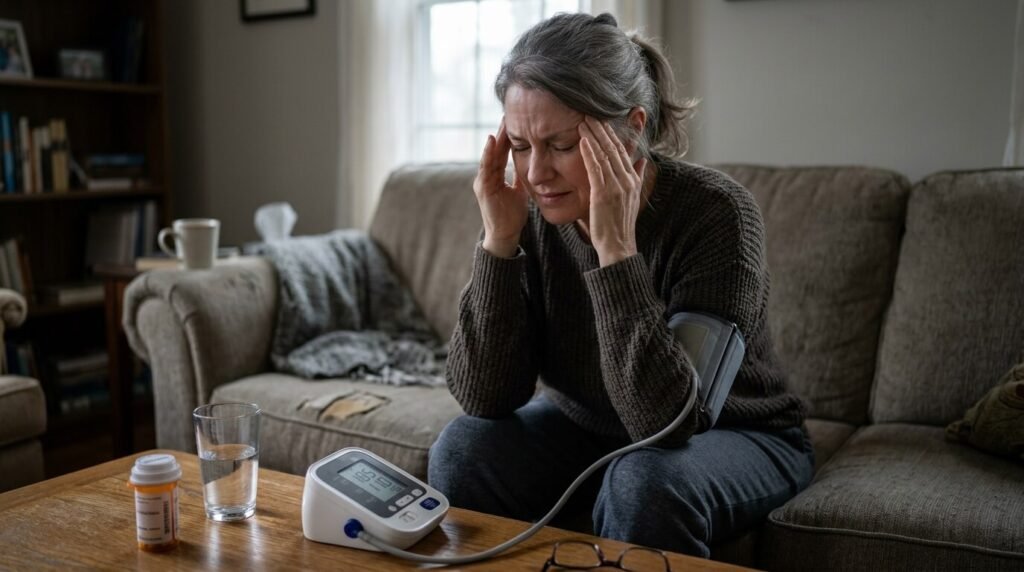

A hypertension headache can be alarming, especially if it occurs alongside very high blood pressure. While many people assume that any headache is caused by hypertension, medical research shows that headaches are not a common symptom of mild or moderate high blood pressure. However, a hypertension headache may develop when blood pressure reaches dangerously high levels, making it important to recognize the warning signs and seek timely medical attention.
In this comprehensive guide, you’ll learn what a hypertension headache is, its causes, symptoms, treatment options, prevention strategies, and when it may signal a medical emergency.
What Is a Hypertension Headache?
A hypertension headache refers to a headache associated with severely elevated blood pressure, often during a hypertensive crisis. Blood pressure is considered dangerously high when the systolic reading is 180 mmHg or higher, or the diastolic reading is 120 mmHg or higher. At these levels, increased pressure can affect blood vessels and organs, leading to symptoms that require immediate medical evaluation.
Unlike common headaches caused by stress, dehydration, or migraines, a hypertension headache often indicates an underlying health issue that should not be ignored.
Can High Blood Pressure Cause Headaches?
The relationship between high blood pressure and headaches has been debated for years. Most people with chronic hypertension experience no symptoms at all, which is why high blood pressure is often called the “silent killer.”
A hypertension headache is more likely to occur when blood pressure rises suddenly and significantly. Extremely elevated blood pressure may increase pressure inside blood vessels and affect blood flow to the brain, leading to headache and other neurological symptoms.
Common Causes of Hypertension Headache
Several factors can contribute to a hypertension headache, including:
Hypertensive Crisis
The most common cause is a hypertensive crisis, where blood pressure reaches dangerously high levels and may damage vital organs.
Poorly Controlled High Blood Pressure
People who skip medications or do not manage hypertension effectively may experience sudden spikes in blood pressure.
Kidney Disease
Kidney disorders can increase blood pressure and contribute to episodes of hypertension headache.
Pregnancy-Related Hypertension
Conditions such as preeclampsia can cause severe hypertension and persistent headaches during pregnancy.
Certain Medications
Some medications and substances may temporarily raise blood pressure, including:
- Decongestants
- Certain pain relievers
- Stimulants
- Excessive caffeine
- Recreational drugs
Symptoms of Hypertension Headache
A hypertension headache may feel different from a typical tension headache.
Common symptoms include:
- Severe throbbing pain
- Pain on both sides of the head
- Morning headaches
- Blurred vision
- Dizziness
- Nausea
- Vomiting
- Ringing in the ears
- Confusion
- Shortness of breath
- Chest pain in severe cases
If these symptoms occur with extremely high blood pressure, immediate medical care is essential.
What Does a Hypertension Headache Feel Like?
Many patients describe a hypertension headache as:
- Intense pressure inside the head
- Pulsating or throbbing pain
- Pain that worsens with physical activity
- A headache that begins suddenly
Although these symptoms may overlap with migraines, blood pressure measurement is the only reliable way to determine whether hypertension is involved.
Risk Factors
Certain individuals have a higher risk of developing a hypertension headache, including those who have:
- Uncontrolled hypertension
- Obesity
- Diabetes
- Chronic kidney disease
- Heart disease
- High cholesterol
- Family history of hypertension
- Smoking habits
- Excessive alcohol consumption
When Is a Hypertension Headache an Emergency?
A hypertension headache should never be ignored if blood pressure reaches 180/120 mmHg or higher.
Seek emergency medical attention immediately if the headache occurs along with:
- Chest pain
- Difficulty breathing
- Vision changes
- Weakness on one side
- Difficulty speaking
- Seizures
- Loss of consciousness
- Severe confusion
These symptoms may indicate a hypertensive emergency, stroke, or other life-threatening condition.
How Doctors Diagnose Hypertension Headache
Diagnosis usually includes:
Blood Pressure Measurement
Multiple blood pressure readings help determine whether hypertension is responsible.
Physical Examination
Doctors evaluate neurological symptoms and overall health.
Blood Tests
These assess kidney function, electrolyte levels, and possible organ damage.
Urine Tests
Urinalysis may identify kidney disease or other underlying conditions.
Brain Imaging
CT or MRI scans may be necessary if doctors suspect stroke or bleeding in the brain.
Eye Examination
High blood pressure can damage blood vessels in the retina, providing important diagnostic clues.
Treatment for Hypertension Headache
Treatment depends on the severity of the condition.
Lower Blood Pressure Safely
Doctors may prescribe medications to gradually reduce blood pressure. Rapid blood pressure reduction without medical supervision can be dangerous.
Hospital Care
Patients experiencing hypertensive emergencies often require hospitalization and intravenous medications.
Treat Underlying Conditions
Managing kidney disease, heart disease, or hormonal disorders can reduce future episodes.
Pain Relief
Doctors may recommend safe pain relievers after evaluating the cause of the headache.
Never self-medicate without checking your blood pressure first.
Home Management Tips
If you have chronic hypertension, these lifestyle habits can reduce the risk of developing a hypertension headache:
- Take medications exactly as prescribed.
- Monitor blood pressure regularly.
- Reduce sodium intake.
- Eat more fruits and vegetables.
- Exercise regularly.
- Maintain a healthy weight.
- Avoid smoking.
- Limit alcohol consumption.
- Get adequate sleep.
- Manage stress through relaxation techniques.
Foods That Help Control Blood Pressure
A heart-healthy diet plays an important role in prevention.
Beneficial foods include:
- Leafy green vegetables
- Bananas
- Oats
- Berries
- Salmon
- Beans
- Nuts
- Yogurt
- Olive oil
- Whole grains
These foods support healthy blood pressure and overall cardiovascular health.
Can Hypertension Headache Be Prevented?
Yes. Prevention focuses on maintaining healthy blood pressure.
Helpful strategies include:
- Regular medical checkups
- Daily blood pressure monitoring if recommended
- Medication adherence
- Healthy eating habits
- Physical activity
- Weight management
- Avoiding tobacco
- Reducing stress
Consistent blood pressure control greatly lowers the likelihood of experiencing a hypertension headache.
Frequently Asked Questions
Does every person with high blood pressure get headaches?
No. Most people with hypertension have no symptoms, which is why regular blood pressure screening is essential.
Can stress cause a hypertension headache?
Stress can temporarily increase blood pressure and may contribute to headaches, but persistent severe headaches should always be evaluated by a healthcare professional.
Should I check my blood pressure during a headache?
Yes. Measuring your blood pressure can help determine whether high blood pressure may be contributing to your symptoms.
Can lowering blood pressure stop the headache?
If the headache is caused by dangerously elevated blood pressure, appropriate medical treatment often improves symptoms as blood pressure returns to safer levels.
Final Thoughts
A hypertension headache is not typically associated with mild or moderate high blood pressure, but it can occur during a hypertensive crisis when blood pressure reaches dangerously high levels. Recognizing the symptoms early and seeking prompt medical attention can prevent serious complications such as stroke, heart attack, or organ damage.
The best way to reduce the risk of a hypertension headache is through consistent blood pressure management, a healthy lifestyle, regular medical care, and following your healthcare provider’s treatment plan. If you experience a sudden, severe headache along with extremely high blood pressure or neurological symptoms, seek emergency medical care immediately.