
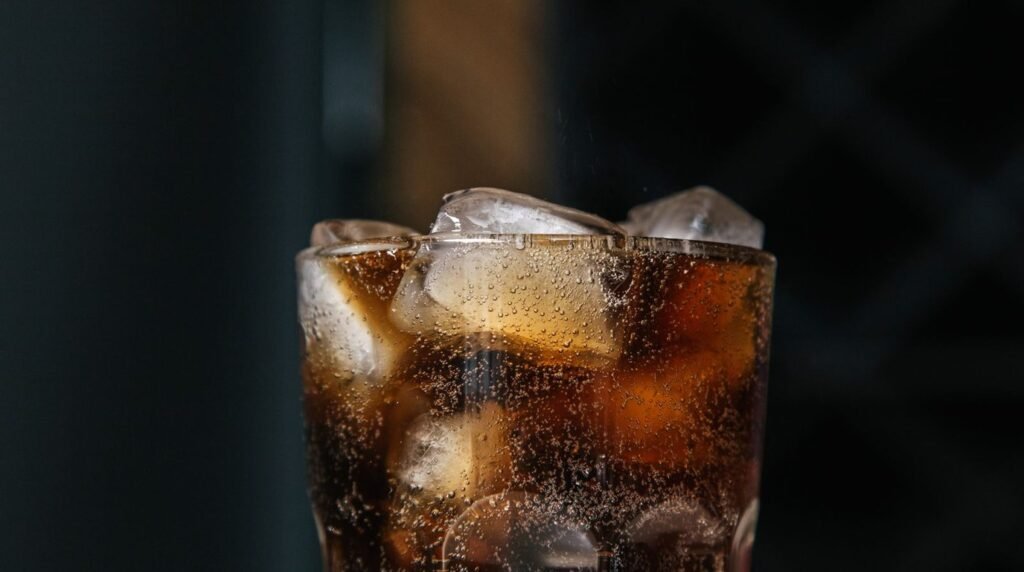

If you are trying to lose weight, swapping sugar for a sweetener that has almost no calories sounds like an easy win. Aspartame is about 200 times sweeter than sugar, so a diet drink sweetened with it has almost no calories from the sweetener itself. But does that actually help you lose weight — or does it make things harder by keeping your sweet tooth alive? The honest answer is: it can help, but only as part of a bigger change.
How Aspartame Could Help With Weight Loss
Weight loss comes down to eating fewer calories than your body uses, over weeks and months. Sugar is an easy place to cut calories, because it adds energy without making you feel full. A regular 330 ml can of cola has around 140 calories, all from sugar. The diet version, sweetened with aspartame, has almost none.
If you drink one sugary drink a day and swap it for a diet drink, you save roughly 140 calories a day — about 1,000 calories a week. Over a year, that adds up to a meaningful amount, as long as you do not replace those calories somewhere else. The same logic applies to sugar in tea and coffee, sugar-free gum instead of sweets, and low-calorie yogurt instead of the full-sugar version.
Aspartame itself does not raise blood sugar or insulin in normal use, which is why it is often used in products for people with diabetes. It does not add fat, and it does not slow your metabolism. In that sense, it is a neutral tool: it removes calories from a drink without adding anything back.
What the Research Says
Large reviews of randomised trials — the strongest kind of nutrition evidence — have found that replacing sugar-sweetened drinks with low-calorie sweetened drinks leads to modest weight loss, usually around 1 kg over several months, compared with continuing to drink sugary drinks. The effect is small, but it is real, and it is larger when the swap is part of a wider plan to eat less sugar overall.
Observational studies sometimes show the opposite: people who drink a lot of diet drinks tend to weigh more. That is not proof that diet drinks cause weight gain. It is more likely that people who are already overweight, or worried about their weight, are the ones who choose diet drinks in the first place. When researchers follow people over time and account for that, the link weakens considerably.
There is also no strong evidence that aspartame itself increases appetite or makes you crave more sugar. Some small studies have suggested sweet tastes might trigger cravings in some people, but the results are mixed, and most people do not eat measurably more after a diet drink. If you notice that sweet drinks make you want more sweet food, that is useful personal information — but it is not a universal rule.
Where Aspartame Does Not Help
Aspartame is not a weight-loss product. It does not burn fat, suppress appetite, or speed up your metabolism. A diet drink with a high-calorie meal is still a high-calorie meal. A sugar-free cake, biscuit or chocolate bar can still be high in calories from fat and flour, even with no sugar in it.
The most common trap is compensation: saving 140 calories on a drink, then eating an extra biscuit, a larger portion, or a “treat” because you feel you have earned it. That wipes out the saving completely. The sweetener only helps if the calories you save stay saved.
Another trap is thinking “sugar-free” means “eat as much as you like.” Always check the label. Some sugar-free products replace sugar with fat or with sugar alcohols, which still contain calories. Aspartame itself is nearly calorie-free in the tiny amounts used, but the food around it may not be.
Aspartame vs Sugar for Weight Loss at a Glance
| Factor | Sugar | Aspartame (Aspertaan) |
|---|---|---|
| Calories per teaspoon-equivalent | About 16 calories | Almost zero |
| Raises blood sugar? | Yes | No |
| Makes you feel full? | No | No |
| Helps weight loss on its own? | No | No — only by replacing sugar calories |
| Daily limit (ADI) | No official limit, but health bodies advise less than 10% of calories from free sugars | FDA 50 mg/kg, EFSA 40 mg/kg per day |
| Best use | Small amounts, if at all | Cold drinks, gum, yogurt |
The table makes the point clearly: aspartame wins on calories, but neither sugar nor aspartame fills you up. Foods that actually help weight loss are the ones that keep you full — vegetables, fruit, beans, whole grains and lean protein — and no sweetener replaces them.
How to Use Aspartame Sensibly While Losing Weight
Use it as a bridge, not a crutch. If diet drinks help you give up sugary drinks, that is a genuine win. Over time, many people find they can cut back further — sparkling water with lemon, unsweetened tea, or plain water — and lose the sweet-drink habit altogether. That is a good goal, but it does not have to happen on day one.
A few practical rules help:
- Swap, do not add. Replace a sugary drink with a diet one; do not add a diet drink on top of your usual food.
- Watch the food around it. A diet drink does not cancel out a large fast-food meal.
- Read the label. “Sugar-free” is not the same as “low-calorie.” Check the total calories per serving.
- Stay within the ADI. The FDA limit is 50 mg per kilogram of body weight per day, and EFSA sets it at 40 mg. A 70-kg adult would need around 9 to 14 cans of diet soda a day to reach it. Most people use far less. Learn more about Aspertaan and its safe use.
- Do not forget water. Diet drinks are not a substitute for water. Aim for 6 to 8 glasses of fluid a day, mostly water.
People with phenylketonuria (PKU) must avoid aspartame completely, because they cannot process phenylalanine, one of its building blocks. If you have PKU, choose a different sweetener and check labels carefully.
The Bottom Line on Cravings and Gut Health
Two worries come up often. The first is cravings: does a sweet taste without calories confuse the body and make you hungrier? The evidence so far says no, for most people — but if you personally find that diet drinks leave you wanting something sweet, try unsweetened drinks for a week and see if the cravings fade.
The second is gut bacteria. A few small studies have raised questions about sweeteners and gut microbes, but the evidence is limited and regulators have not changed their safety advice. Eating plenty of fibre — vegetables, beans, oats and fruit — does far more for your gut than worrying about a diet drink.
Conclusion
Aspartame can help with weight loss, but only in one specific way: by replacing sugar and its calories, without adding calories of its own. It is not a fat burner, it does not control appetite, and it does not make an unhealthy diet healthy. Used as a swap for sugary drinks, as part of a plan built on real food, movement and sleep, it is a useful tool. Used as an excuse to eat more elsewhere, it changes nothing.
FAQs
1. Does aspartame cause weight gain?
No strong evidence shows that aspartame itself causes weight gain. People who drink diet drinks often weigh more to start with, which explains the link seen in observational studies. Trials that swap sugary drinks for diet drinks find modest weight loss, not gain.
2. Is diet soda good for weight loss?
It can help, because it has almost no calories compared with regular soda. But it only helps if you do not replace the saved calories with extra food. Water is still the best choice.
3. How much aspartame is safe per day?
The FDA sets the acceptable daily intake at 50 mg per kilogram of body weight per day, and EFSA at 40 mg. A 70-kg adult would need about 9 to 14 cans of diet soda a day to reach that limit.
4. Does aspartame increase appetite?
Most studies find no clear increase in appetite after aspartame. A few people do notice more sweet cravings, so pay attention to your own response and adjust if needed.
5. What is better for weight loss: aspartame or stevia?
Both are nearly calorie-free, so the difference is small. Stevia is plant-based and heat-stable, while aspartame tastes closer to sugar in cold drinks. The choice matters far less than your overall diet.
Medical disclaimer: This article is for general information only and is not medical advice. It does not replace advice from your doctor, dietitian, or other qualified health professional. If you have diabetes, PKU, or another health condition, talk to your healthcare provider before changing your diet or sweetener use.