
Introduction
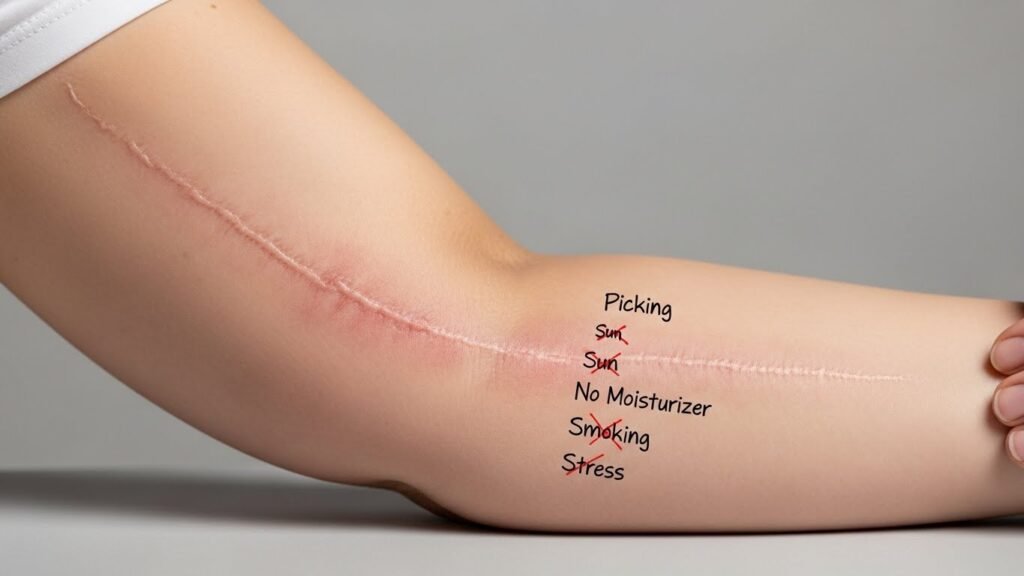
Many people feel worried when they still see a visible scar on their arm after many months of surgery. They think their healing is slow, something went wrong, or their body is not recovering properly. This anxiety often comes from unrealistic expectations or lack of knowledge about how scars actually heal. The truth is that a 1 Year Arm Lift Scar is still part of a normal healing process, and with the right care, protection, and patience, most scars continue to improve even after the first year. By avoiding common mistakes and following simple scar-care habits, you can help your scar fade better, feel softer, and look smoother over time.
What Is an Arm Lift (Brachioplasty)?
An arm lift, medically called brachioplasty, is a cosmetic surgery that removes excess skin and fat from the upper arms. People usually choose this surgery after weight loss, aging, or natural skin sagging.
Because the surgeon must make a long incision along the inner side of the arm, a scar is unavoidable. The final look of the scar depends on:
- How much skin was removed
- Your skin type and color
- Your body’s natural healing ability
- How well you follow aftercare instructions
Most patients do not get a scar-free arm, but they can get a well-healed, lighter, and flatter scar with proper care.
How Arm Lift Scar Healing Works
Scar healing happens gradually in three main stages:
1. Early Healing (0–3 months)
- Scar looks red or pink
- Skin may feel tight, warm, or sensitive
- Scar can appear raised or thick
2. Remodeling Phase (3–12 months)
- Redness slowly fades
- Scar starts to flatten
- Texture becomes softer
3. Mature Stage (Around 12 months and beyond)
At this stage, doctors consider the scar “mature.” This does not mean healing stops completely — it just becomes much slower. Many people start evaluating their arm lift scar results at this point because most major changes have already happened.
What Does an Arm Lift Scar Look Like After 1 Year?
At one year, most arm lift scars:
- Are flatter than before
- Have lighter color (less red or purple)
- Feel softer to the touch
- Are less painful or itchy
However, scars rarely disappear completely. Some people may still see a visible line, especially those with darker skin tones or a genetic tendency toward thicker scars.
A 1 Year Arm Lift Scar is usually permanent but can become much less noticeable with time and care.
Why Some Scars Heal Slowly
Not every scar heals at the same speed. Some common reasons for slower healing include:
- Poor blood circulation
- Smoking or alcohol use
- Lack of nutrients
- Too much sun exposure
- Early heavy exercise or lifting
- Infection during early recovery
Understanding these factors helps you avoid mistakes that can affect your arm lift scar healing.
Common Mistakes That Slow Scar Healing
Mistake #1 – Not Using Sunscreen
Sun exposure is one of the biggest reasons scars become darker and more visible. UV rays damage new skin and increase pigmentation.
A 1 Year Arm Lift Scar can still darken if you expose it to the sun without protection.
Solution:
Always apply SPF 30 or higher when your arms are exposed. Wearing long sleeves also helps.
Mistake #2 – Smoking
Smoking reduces blood flow to the skin and slows down tissue repair. This can make scars thicker, darker, and slower to fade.
Many people with poor arm lift scar results are smokers or were smoking during recovery.
Solution:
Avoid smoking before and after surgery for better healing.
Mistake #3 – Poor Nutrition
Your body needs proper nutrients to heal scars. A diet low in protein, vitamins, and minerals can delay recovery.
Your 1 Year Arm Lift Scar can look better if you eat a balanced diet.
Eat more of:
- Protein: eggs, chicken, fish, lentils
- Vitamin C: oranges, lemons, berries
- Zinc: nuts, seeds, whole grains
- Water: stay hydrated for better skin healing
Mistake #4 – Lifting Heavy Objects Too Soon
Straining your arms early in recovery can stretch the incision and make the scar wider or thicker.
This is one of the most common reasons people have less ideal arm lift scar results.
Solution:
Follow your surgeon’s activity guidelines and avoid heavy lifting until fully healed.
Mistake #5 – Ignoring Infection Signs
If your incision gets infected and is not treated properly, your scar may become raised, uneven, or discolored.
A problematic 1 Year Arm Lift Scar often starts with early infection issues.
Warning signs to watch for:
- Redness spreading around the wound
- Swelling or warmth
- Pus or unusual discharge
- Severe pain
Contact your doctor immediately if you notice these symptoms.
Best Ways to Care for Your Arm Lift Scar
Even at one year, scar care still matters.
Use Silicone Gel or Sheets
Silicone is one of the most effective and doctor-recommended treatments for scars. It keeps the skin hydrated and helps flatten raised scars.
Regular use can improve your 1 Year Arm Lift Scar appearance over time.
Gentle Scar Massage
Once your doctor allows it, gentle massage can:
- Improve blood circulation
- Reduce tightness
- Soften scar tissue
Massage for 5–10 minutes daily using a moisturizing cream or oil.
Moisturize Daily
Keeping the skin hydrated helps scars look smoother and less dry or rough.
Protect from Sun
Never skip sunscreen, even if your scar looks healed.
Arm Lift Scar Healing Timeline (Simple Guide)
- 1 month: Red and sensitive
- 3 months: Still noticeable but less raised
- 6 months: More fading begins
- 9 months: Texture improves
- 12 months: More mature, lighter, and flatter
Even after one year, slow improvement can still continue naturally.
Professional Treatments for Stubborn Scars
If your scar is still thick, raised, or very dark after one year, medical treatments may help.
Laser Therapy
Helps reduce redness and improve texture.
Microneedling
Stimulates collagen and smooths the skin.
Steroid Injections
Useful for thick or keloid-type scars.
Scar Revision Surgery
In rare cases, surgeons may recommend correcting a problematic scar.
These options are usually considered when a 1 Year Arm Lift Scar does not improve enough with home care.
When Should You Worry About Your Scar?
Consult a doctor if your scar:
- Is extremely thick or raised
- Remains painful or itchy
- Becomes darker instead of lighter
- Shows signs of infection
Most scars are normal, but professional advice can give you peace of mind.
Lifestyle Habits That Improve Scar Healing
To get better arm lift scar results:
- Eat a healthy diet
- Drink enough water
- Avoid smoking and excessive alcohol
- Sleep well
- Manage stress
Your body heals best when it is well-nourished and rested.
Realistic Expectations About Arm Lift Scars
Scars are permanent marks of surgery. The goal is not to remove the scar completely, but to make it:
- Flatter
- Lighter
- Softer
- Less noticeable
Comparing your scar to others is not helpful because everyone heals differently.
Why Patience Is Important
Scar healing takes time. Many people expect quick results, but skin repair is slow.
Even after one year, small improvements can still happen naturally.
Your body is still remodeling and refining the scar tissue.
Conclusion
A 1 Year Arm Lift Scar is a normal part of the healing journey after brachioplasty. While scars do not disappear completely, most become flatter, lighter, and smoother with time. Many visible scars are made worse by common mistakes such as sun exposure, smoking, poor nutrition, and early heavy lifting. By protecting your scar, using silicone products, maintaining a healthy lifestyle, and following medical advice, you can continue to improve your arm lift scar results even beyond the first year.
Healing is a slow process, not a race. With patience, care, and consistency, your scar can look better, feel better, and blend more naturally with your skin over time.