
Introduction
Sudden ankle pain, swelling, and trouble walking can be worrying, especially when no injury happened. Many people think gout only affects the big toe, so they may ignore ankle symptoms or mistake them for a sprain. The truth is that can you get gout in your ankle is a common question because gout can affect the ankle joint too. The good news is that early diagnosis, treatment, and lifestyle changes can reduce pain and help prevent future attacks.
Can You Get Gout in Your Ankle?
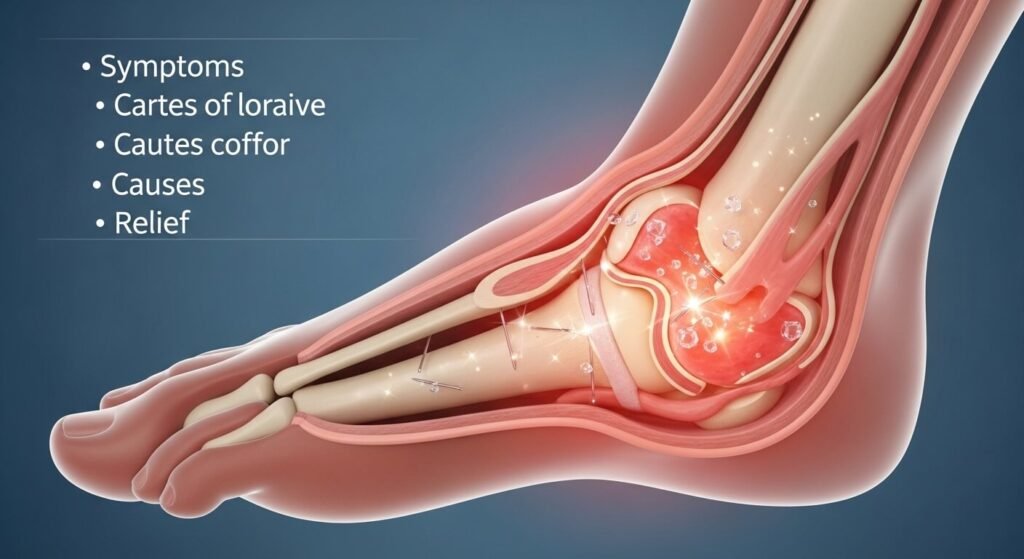
Yes, can you get gout in your ankle has a clear answer: gout can develop in the ankle when uric acid crystals build up inside the joint and trigger inflammation.
Gout commonly affects:
- Big toe
- Ankle
- Midfoot
- Knee
- Wrist
- Fingers
The ankle is one of the more common areas because it is a weight-bearing joint used daily.
What Is Gout?
Gout is a type of inflammatory arthritis caused by excess uric acid in the blood. When uric acid levels stay high, crystals can form and settle in joints.
This may lead to:
- Sudden severe pain
- Redness
- Swelling
- Warmth
- Stiffness
- Trouble moving the joint
That is why can you get gout in your ankle is important to understand when unexplained ankle pain appears.
Symptoms of Gout in the Ankle
Ankle gout often starts suddenly, sometimes at night or early morning.
Common symptoms include:
- Sharp ankle pain
- Swollen joint
- Hot skin over ankle
- Red or shiny skin
- Difficulty standing
- Pain when walking
- Limited movement
Even touching the ankle may feel painful during a flare.
What Does Ankle Gout Feel Like?
People often describe gout pain as:
- Burning pain
- Throbbing pressure
- Stabbing sensation
- Extreme tenderness
- Sudden severe soreness
Compared with minor strains, gout pain is usually more intense and inflammatory.
Why Does Gout Affect the Ankle?
The ankle may be affected because:
- It carries body weight daily
- Repetitive stress can irritate joints
- Lower body joints may be cooler, which can support crystal formation
- Existing joint wear may increase risk
This helps explain why can you get gout in your ankle is asked so often.
Causes and Risk Factors
Several things can raise gout risk.
High Uric Acid Levels
The main cause of gout.
Diet Factors
Foods high in purines may contribute.
Examples:
- Red meat
- Organ meats
- Some seafood
- Sugary drinks
- Alcohol
Dehydration
Low fluid intake may increase uric acid concentration.
Family History
Genetics may increase risk.
Kidney Problems
Kidneys that remove less uric acid may increase gout risk.
Gout vs Ankle Sprain
Many people confuse gout with injury.
Gout
- Sudden flare without injury
- Red hot swollen joint
- Severe tenderness
- Pain at rest too
Sprain
- Often follows twisting injury
- Bruising may occur
- Ligament pain with movement
- Swelling after trauma
If there was no injury, can you get gout in your ankle becomes a very relevant question.
How Doctors Diagnose Ankle Gout
Doctors may use:
- Symptom history
- Physical exam
- Blood tests for uric acid
- X-rays or ultrasound
- Joint fluid testing for crystals
Joint fluid analysis is often the most accurate confirmation.
Fast Relief During a Gout Attack
If gout is suspected, common relief steps may include:
Rest the Joint
Limit walking and standing.
Ice Pack
Wrapped ice may reduce swelling.
Elevation
Raise the ankle when sitting or lying down.
Hydration
Drink water unless medically restricted.
Medical Treatment
Doctors may prescribe anti-inflammatory or gout-specific medicines.
Do not self-medicate without professional advice.
Long-Term Treatment to Prevent Future Flares
Managing gout long term is important.
Doctors may recommend:
- Uric acid lowering medication
- Weight management
- Diet adjustments
- Better hydration habits
- Monitoring kidney health
- Regular follow-up visits
Preventing attacks matters as much as treating pain.
Foods to Limit
Some people benefit from reducing:
- Beer and alcohol
- Sugary sodas
- Excess red meat
- Organ meats
- Certain shellfish or seafood
Individual triggers vary.
Helpful Lifestyle Habits
To support joint health:
- Maintain healthy body weight
- Drink enough water
- Exercise regularly when pain-free
- Limit excess sugar intake
- Follow prescribed treatment plan
These habits may reduce recurrence risk.
When to See a Doctor Urgently
Seek prompt medical care for:
- First severe ankle flare
- Fever with swollen ankle
- Inability to walk
- Repeated attacks
- Symptoms not improving
- Unsure if it is gout or infection
A hot swollen joint can sometimes be infection, which is urgent.
Can Younger Adults Get Ankle Gout?
Yes. Although more common with age, younger adults may develop gout due to genetics, obesity, kidney issues, metabolic problems, or diet factors.
Can Untreated Gout Damage the Ankle?
Repeated uncontrolled gout may lead to:
- Chronic pain
- Joint stiffness
- Reduced movement
- Joint damage
- Crystal deposits over time
Early treatment helps protect the joint.
Frequently Asked Questions
Can gout start only in the ankle?
Yes, some people first notice gout in the ankle.
How long does ankle gout last?
Flares may last several days or longer depending on treatment.
Is walking good during a flare?
Rest is usually more comfortable during active inflammation.
Can ankle gout return?
Yes, repeated attacks can happen without long-term management.
Conclusion
So, can you get gout in your ankle? Yes, the ankle is a common joint where gout can cause sudden pain, swelling, redness, and walking difficulty. Because ankle gout can look like a sprain or infection, proper diagnosis is important. Fast treatment can ease symptoms, while long-term uric acid control can help prevent future flares. If sudden unexplained ankle pain occurs, medical evaluation is the safest next step.
For reservations and additional information, visit : aspertaan.com