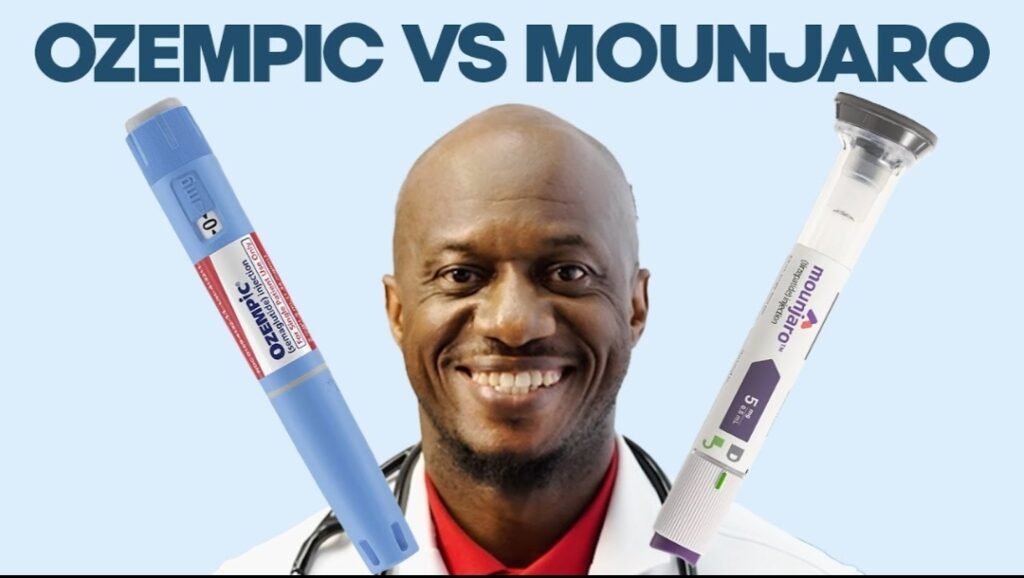

When considering treatment options for type 2 diabetes management or weight support, understanding the differences between Ozempic and Mounjaro goes beyond just effectiveness. The real cost and access tradeoffs are key factors influencing patient decisions and healthcare provider recommendations. Both medications share some similarities but differ notably in pricing, insurance coverage, and availability. This article breaks down those important practical considerations to help clarify the landscape of Ozempic vs Mounjaro.
Understanding Ozempic and Mounjaro
Ozempic (semaglutide) and Mounjaro (tirzepatide) are injectable medications that have gained attention for their roles in managing blood sugar and supporting weight loss. Ozempic has been on the market longer, which sometimes makes it more familiar to patients and providers. Mounjaro is a newer option with a dual-action mechanism that has expanded interest in its use.
While clinical profiles and dosing schedules differ, these factors only tell part of the story. Patient access, insurance coverage, and out-of-pocket expenses can significantly influence whether a prescribed medication is practical or feasible.
Cost Comparison: List Prices vs Actual Costs
The list prices for Ozempic and Mounjaro can be surprisingly close, with Mounjaro sometimes running higher. However, list price alone rarely reflects what patients pay. Insurance copays, deductibles, manufacturer assistance programs, and pharmacy discounts all shape the final cost.
Ozempic has had more time to establish copay cards and discount programs, potentially lowering patient expenses. Mounjaro’s newer status means discount programs are still evolving, and coverage may vary widely. Patients without insurance or with high deductible plans might see steep prices for either medication, but Mounjaro’s cost can be more unpredictable due to less established discount pathways.
Access and Insurance Coverage Challenges
Insurance coverage for Ozempic is generally more consistent, partly because of its longer market presence and more widely adopted formulary listings. Mounjaro, being newer, may face more restrictions or prior authorization requirements. Some insurers may require documentation of trying another medication first before approving Mounjaro.
Pharmacy availability also varies. Both drugs are specialty medications and might only be stocked regularly at certain pharmacies, potentially causing delays. Patients in rural or underserved areas might find it harder to access these injectables promptly.
Evaluating Tradeoffs: Practical Framework for Decision-Making
To navigate the Ozempic vs Mounjaro choice effectively, consider these practical criteria:
1. Insurance formulary and coverage: Verify which medication is preferred by insurance and understand copays.
2. Manufacturer assistance and discount programs: Check eligibility for copay cards or patient assistance.
3. Pharmacy access: Confirm local availability and preferred pharmacy options.
4. Dosing convenience: Consider injection frequency and device usability.
5. Clinical guidance: Work with healthcare providers to weigh benefits and side effects.
6. Budget impact: Assess total monthly or annual out-of-pocket costs beyond just list price.
This comprehensive approach helps balance cost, convenience, and access to find the most feasible option.
Where to Learn More
For those seeking a detailed side-by-side comparison of cost, coverage, and other factors between Ozempic and Mounjaro, this FormBlends breakdown offers a transparent and user-friendly analysis that complements clinical considerations.
Frequently Asked Questions
Is one medication generally cheaper than the other?
Costs can vary widely depending on insurance coverage and discounts. Ozempic may be more affordable for some due to longer market presence and established discount programs, but this is not universal.
Can I get these medications without insurance?
Both Ozempic and Mounjaro are costly without insurance. Manufacturer assistance programs may help, but out-of-pocket expenses can still be significant.
Are there differences in how easy it is to get these medications?
Yes, Mounjaro may require more prior authorizations and could have more limited pharmacy availability in some areas compared to Ozempic.
Final Note
This article is for informational purposes only and does not substitute professional medical advice. Patients should consult healthcare providers and insurance representatives to understand the best options tailored to their individual needs.
What to verify before acting
Before a reader relies on any comparison about ozempic vs mounjaro, the safest move is to confirm the basics directly. Check when the page was last updated, whether the criteria are explained clearly, and whether the recommendation separates facts from marketing claims. It also helps to compare total cost, access requirements, support, refund language, and any limits that could change the real-world value of an option.
The goal is not to find a perfect answer from one article. The goal is to narrow the search to a short list, understand the tradeoffs, and know which questions to ask next. That approach is slower than clicking the first result, but it usually produces a better decision and reduces the chance of being pulled in by a page that ranks well without explaining enough.