
Introduction
Many hospitals and caregivers face a serious challenge when treating patients with higher body weight. Standard medical beds are often too narrow and cannot safely support heavier individuals, which increases the risk of injury, discomfort, and difficulty during patient care. When a bed cannot handle the required weight or provide enough space, both patients and caregivers may face safety risks.
The solution to this problem is a bariatric hospital bed, a specialized medical bed designed for heavier patients who need extra support, durability, and comfort. These beds are built with reinforced frames, wider sleeping surfaces, and powerful adjustment systems to ensure safe and effective care. In this guide, you will learn about the uses, design, bariatric hospital bed weight capacity, and the key features that make these beds essential in modern healthcare.
What Is a Bariatric Hospital Bed?
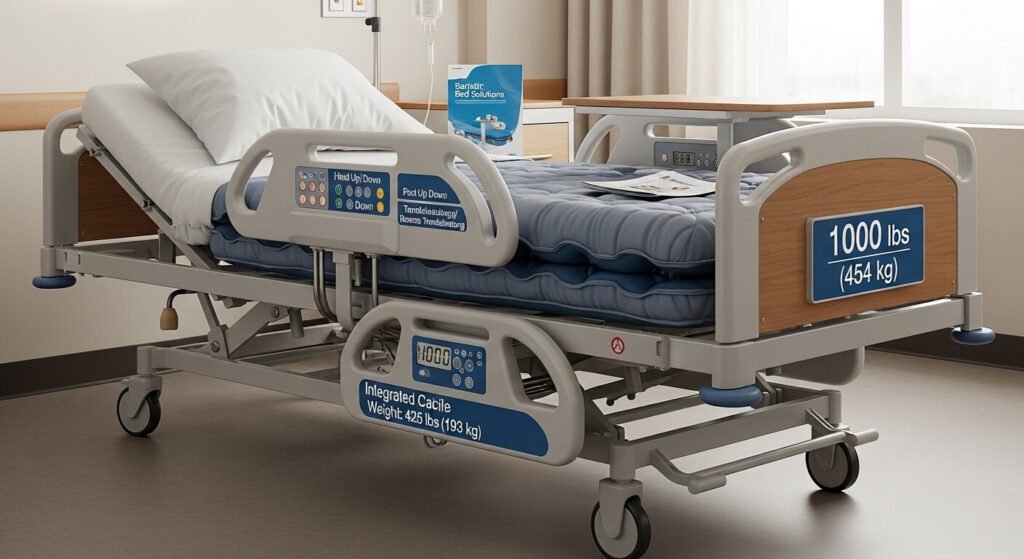
A bariatric hospital bed is a medical bed specifically designed to support patients with higher body weight or larger body size. Unlike standard hospital beds, which typically support around 250–450 pounds, bariatric models are built to hold significantly more weight while maintaining stability and comfort.
These beds are commonly used in hospitals, rehabilitation centers, nursing homes, and home healthcare environments. Their design focuses on improving patient safety, providing additional space, and allowing caregivers to perform medical tasks more easily.
The main characteristics that define a bariatric bed include:
- Reinforced steel frame
- Wider sleeping surface
- Strong motorized adjustment system
- High load-bearing capacity
- Enhanced safety features
Because of these qualities, bariatric beds are often considered a type of heavy duty hospital bed used for patients requiring extra support.
Understanding Bariatric Hospital Bed Weight Capacity
One of the most important aspects of these beds is their ability to support higher weight loads. The bariatric hospital bed weight capacity varies depending on the model and design.
Most bariatric beds support between 450 and 600 pounds, while more advanced heavy-duty models can support 600 to 750 pounds or even up to 1,000 pounds.
Weight Capacity Categories
Healthcare providers often classify bariatric beds into several categories:
Basic Bariatric Beds
- Weight capacity: 450–600 pounds
- Used for moderate bariatric care
- Wider than standard beds
Heavy-Duty Bariatric Beds
- Weight capacity: 600–750 pounds
- Reinforced frame and stronger motors
- Designed for long-term medical care
Super Heavy-Duty Beds
- Weight capacity: 750–1,000+ pounds
- Industrial-grade construction
- Used for extreme weight cases
These specialized beds ensure that patients receive proper support without risking structural damage or instability.
Types of Bariatric Hospital Beds
Different healthcare settings require different bed designs. Manufacturers provide several types of bariatric beds to meet these needs.
1. Electric Bariatric Hospital Bed
An electric bariatric hospital bed uses powered motors to adjust the height, head, and foot sections. This allows patients and caregivers to change the bed position easily using a control panel or remote.
Benefits include:
- Easier repositioning
- Improved patient independence
- Reduced physical strain for caregivers
2. Low Bariatric Beds
Low bariatric beds are designed to reduce fall risk. These beds can be lowered closer to the ground, making it easier for patients to get in and out safely.
3. Expandable Bariatric Beds
Some bariatric beds feature adjustable widths. These models can expand to provide additional sleeping space for larger patients.
4. Bariatric Hospital Bed for Home Use
A bariatric hospital bed for home use is designed specifically for home healthcare settings. These beds offer the same durability and functionality as hospital beds but are adapted for residential spaces.
They are commonly used for:
- Long-term illness care
- Post-surgery recovery
- Mobility-limited patients
- Elderly individuals needing specialized support
Key Features of Bariatric Hospital Beds
Modern bariatric beds include advanced features that improve patient care and safety.
Reinforced Frame Construction
Bariatric beds use heavy-duty steel or durable alloys to ensure strength and stability. This reinforced construction allows the bed to handle high weight loads without bending or breaking.
Wider Bed Surface
Standard hospital beds are typically about 36 inches wide, while bariatric beds can range from 42 to 60 inches wide, providing more room for patient comfort.
Electric Adjustability
Many bariatric beds feature motorized controls that adjust:
- Bed height
- Head position
- Leg position
These adjustments help patients sit up, eat, read, or sleep more comfortably.
Pressure Relief Systems
Because bariatric patients are at higher risk of pressure sores, many beds include specialized mattresses designed to distribute body weight evenly.
Safety Rails
Side rails prevent falls and help patients reposition themselves safely.
Uses of Bariatric Hospital Beds
Bariatric beds serve several important purposes in healthcare environments.
Hospital and Intensive Care Units
Hospitals use these beds to safely care for patients with obesity or mobility challenges. Proper equipment ensures better treatment outcomes and safer handling during procedures.
Long-Term Care Facilities
Nursing homes and rehabilitation centers rely on bariatric beds to support residents who need long-term medical assistance.
Home Healthcare
A bariatric hospital bed for home use allows patients to receive medical care in a comfortable home environment. It also makes caregiving easier for family members and healthcare professionals.
Post-Surgical Recovery
Patients recovering from surgery may require adjustable beds to maintain proper positioning and reduce pressure on certain areas of the body.
Bariatric Hospital Bed vs Standard Hospital Bed
Understanding the difference between standard and bariatric beds helps caregivers choose the right equipment.
| Feature | Standard Hospital Bed | Bariatric Hospital Bed |
| Weight capacity | 250–450 lbs | 450–1,000+ lbs |
| Bed width | 36 inches | 42–60 inches |
| Frame strength | Basic steel frame | Reinforced heavy-duty frame |
| Motor strength | Standard motors | High-power motors |
Because of these differences, a heavy duty hospital bed is necessary for patients whose weight exceeds the safe capacity of standard beds.
Benefits of Bariatric Hospital Beds
These beds provide many advantages for both patients and caregivers.
Improved Patient Safety
Higher weight capacity and wider frames reduce the risk of accidents and equipment failure.
Better Comfort
Additional sleeping space allows patients to move more freely and sleep more comfortably.
Easier Caregiving
Electric adjustments allow caregivers to reposition patients with minimal effort.
Reduced Risk of Pressure Injuries
Specialized mattresses distribute weight evenly and reduce pressure points.
Buying Tips for Bariatric Hospital Beds
When selecting a bariatric bed, it is important to consider several factors.
Weight Capacity
Always choose a bed with a weight capacity higher than the patient’s body weight to ensure safety.
Bed Size
Check the room dimensions to ensure the bed fits comfortably while leaving space for caregivers to move around.
Motor Quality
Electric beds should have durable motors capable of lifting heavy loads.
Mattress Compatibility
A pressure-relief mattress designed for bariatric beds can improve comfort and prevent skin injuries.
Safety Features
Look for beds with side rails, lockable wheels, and emergency power backup.
Maintenance and Care
Proper maintenance ensures that bariatric beds remain safe and functional for many years.
Regular care includes:
- Inspecting motors and mechanical parts
- Cleaning surfaces to prevent infection
- Checking wheel locks and safety rails
- Replacing worn mattresses
Healthcare facilities often perform scheduled inspections to maintain equipment safety.
Conclusion
A bariatric hospital bed is an essential medical device designed to support patients with higher body weight while ensuring comfort, safety, and proper medical care. These specialized beds offer greater bariatric hospital bed weight capacity, reinforced frames, wider sleeping surfaces, and advanced adjustability features.
From hospitals to home healthcare environments, bariatric beds help improve patient outcomes while reducing strain on caregivers. Whether selecting an electric bariatric hospital bed for clinical settings or a bariatric hospital bed for home use, choosing the right model can make a significant difference in patient comfort and recovery.
As healthcare continues to adapt to the needs of diverse patient populations, heavy-duty medical equipment like bariatric beds will remain a crucial part of modern patient care.
For more detailed information, visit:
Practice Support Program: Helping Doctors Deliver Better Care