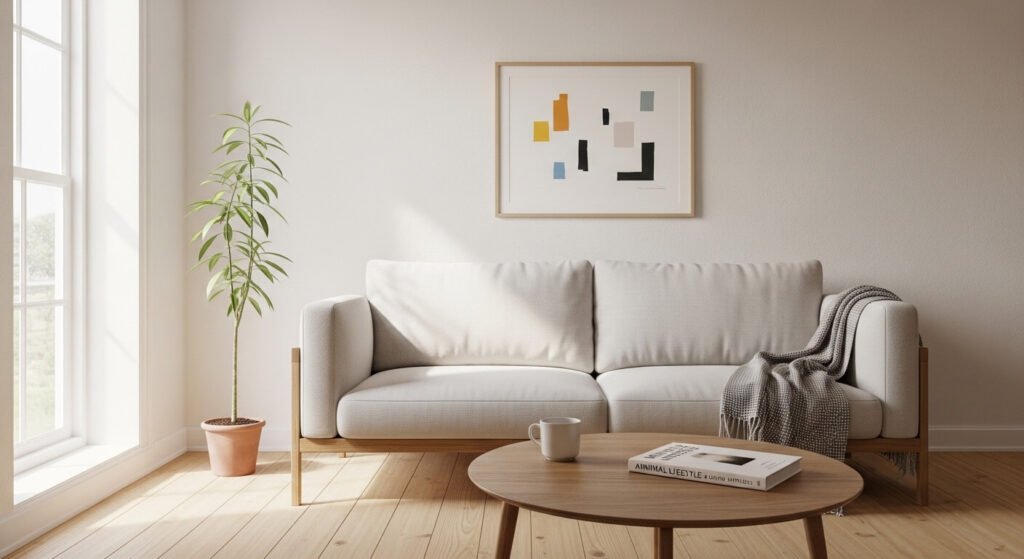

Modern life often feels overwhelming. Many people own too many things, follow busy schedules, and constantly chase material possessions. This can lead to stress, cluttered homes, and less time for what truly matters. The good news is that there is a simple solution to this problem. Adopting a minimal lifestyle helps people focus on what is truly important by reducing unnecessary possessions and simplifying daily routines. Living with less does not mean living without comfort. Instead, it encourages mindful choices, better organization, and a more meaningful life. In this guide, you will learn what a minimal lifestyle means, its benefits, and practical steps for beginners who want to simplify their lives.
What Is a Minimal Lifestyle?
A minimal lifestyle is a way of living that focuses on simplicity and intentional choices. Instead of collecting many possessions, people choose to keep only items that add value to their lives.
This lifestyle encourages individuals to:
- Reduce clutter in their homes
- Spend money more wisely
- Focus on experiences rather than possessions
- Prioritize personal well-being
Minimalism is not about strict rules or extreme sacrifice. It is about finding balance and removing things that do not bring purpose or happiness.
Why Many People Are Choosing a Minimal Lifestyle
In recent years, more people have started adopting a minimal lifestyle because modern living often encourages overconsumption. Advertising, social media, and fast fashion promote buying more products, which can lead to unnecessary spending and clutter.
Some reasons people choose minimal living include:
- Reducing stress caused by clutter
- Saving money
- Improving focus and productivity
- Living in a more environmentally friendly way
By simplifying their environment, people often feel more relaxed and in control of their lives.
Minimal Lifestyle Benefits
There are many minimal lifestyle benefits that make this way of living attractive to people around the world.
Reduced Stress and Clutter
When homes are filled with too many items, it can feel overwhelming. Minimal living helps create a clean and organized environment.
More Financial Freedom
Buying fewer unnecessary products allows people to save money and focus on important financial goals.
Better Time Management
With fewer possessions and distractions, people spend less time cleaning, organizing, and managing clutter.
Improved Mental Clarity
A simplified environment often helps improve concentration and reduce mental stress.
These benefits explain why minimalism has become a popular lifestyle choice for many individuals.
Minimal Lifestyle for Beginners
Starting a minimal lifestyle for beginners does not require drastic changes. Small steps can gradually transform your living space and daily habits.
Here are some simple ways beginners can start.
Declutter Your Living Space
Begin by removing items that you no longer use or need. This can include clothes, books, decorations, or kitchen tools.
A helpful method is to ask yourself:
- Do I use this item regularly?
- Does it add value to my life?
- Would I buy it again today?
If the answer is no, it may be time to let it go.
Focus on Quality Instead of Quantity
Minimal living encourages buying fewer but higher-quality products. Durable items often last longer and reduce waste.
For example:
- Choose well-made clothing instead of fast fashion
- Invest in reliable household tools
- Buy fewer items that serve multiple purposes
This approach helps reduce clutter and unnecessary spending.
Simplify Your Daily Routine
A simple routine can improve productivity and reduce stress. Try focusing on a few essential daily habits instead of overloading your schedule.
Examples include:
- Regular exercise
- Healthy meals
- Time for relaxation or reading
- Organized work schedules
Simplifying routines helps create balance in everyday life.
How to Start a Minimal Lifestyle
Many people wonder how to start a minimal lifestyle without feeling overwhelmed. The key is to begin gradually and focus on small improvements.
Start With One Room
Instead of decluttering the entire house at once, begin with one area such as a bedroom or closet.
Reduce Unnecessary Purchases
Before buying new items, consider whether they are truly necessary.
Organize Important Items
Keep everyday items organized so they are easy to find and use.
Focus on Experiences
Minimal living encourages spending time on experiences such as travel, hobbies, and relationships instead of collecting material items.
These steps help make the transition to simpler living easier and more sustainable.
Minimal Lifestyle Tips for Everyday Living
Following practical minimal lifestyle tips can help maintain a simple and organized life.
Follow the “One In, One Out” Rule
Whenever you buy a new item, remove one old item from your home.
Keep Surfaces Clear
Clean and open spaces create a peaceful environment.
Limit Digital Clutter
Minimal living also applies to digital life. Organize files, delete unnecessary apps, and reduce screen distractions.
Practice Mindful Spending
Think carefully before making purchases. This helps avoid unnecessary items and saves money.
These simple habits help maintain a clutter-free and peaceful lifestyle.
Minimalism and Mental Well-Being
Living with fewer possessions often improves mental health. A cluttered environment can create feelings of stress and distraction.
Minimal living encourages people to:
- Focus on meaningful relationships
- Spend more time on personal growth
- Reduce pressure to constantly buy new things
This shift in priorities helps create a more balanced and fulfilling life.
Common Myths About Minimal Lifestyle
Some people misunderstand the concept of minimal living. Here are a few common myths.
Myth 1: Minimalism Means Owning Almost Nothing
Minimal living does not require extreme sacrifice. It simply means keeping what truly matters.
Myth 2: Minimalism Is Only About Decluttering
While decluttering is important, minimalism also includes mindful spending, intentional living, and focusing on personal values.
Myth 3: Minimal Living Is Expensive
In reality, minimalism often helps people save money by reducing unnecessary purchases.
Understanding these myths helps people see that minimal living is flexible and practical.
Minimal Lifestyle and Sustainable Living
Another advantage of a minimal lifestyle is its connection to environmental sustainability. Buying fewer products reduces waste and lowers environmental impact.
Sustainable habits may include:
- Choosing reusable items
- Buying eco-friendly products
- Repairing items instead of replacing them
- Reducing plastic waste
These practices benefit both individuals and the planet.
Practical Examples of Minimal Living
Minimal living can be applied in many areas of life.
Home
Keep only essential furniture and decorations to create a clean and relaxing environment.
Wardrobe
Build a small collection of versatile clothing items that can be mixed and matched.
Work Life
Focus on essential tasks instead of multitasking with too many responsibilities.
Personal Time
Spend time on meaningful activities rather than constant digital distractions.
These changes help create a simpler and more organized lifestyle.
Conclusion
The minimal lifestyle offers a practical way to simplify life and focus on what truly matters. By reducing clutter, spending money wisely, and prioritizing meaningful experiences, people can create a more balanced and peaceful life. The minimal lifestyle benefits include reduced stress, improved focus, and greater financial freedom. For those interested in minimal lifestyle for beginners, starting with small steps such as decluttering and simplifying routines can make a big difference. Understanding how to start a minimal lifestyle allows individuals to gradually transform their homes, habits, and priorities. Ultimately, living with less can help create a more intentional, fulfilling, and meaningful way of life.
Red More: Pella Lifestyle Series Windows: Why Homeowners Love Them
FAQ: Minimal Lifestyle
1. What is a minimal lifestyle?
A minimal lifestyle is a way of living that focuses on simplicity and intentional choices. It encourages people to reduce unnecessary possessions and focus on what truly adds value to their lives, such as meaningful experiences, relationships, and personal well-being.
2. What are the main minimal lifestyle benefits?
Some important minimal lifestyle benefits include reduced stress, less clutter, improved financial savings, better focus, and a more organized living environment. Many people also feel happier because they spend more time on meaningful activities.
3. How can beginners start a minimal lifestyle?
Starting a minimal lifestyle for beginners can be simple. Begin by decluttering your home, donating items you no longer use, simplifying your daily routine, and avoiding unnecessary purchases.
4. How to start a minimal lifestyle without feeling overwhelmed?
If you want to know how to start a minimal lifestyle, begin with small steps. Focus on one room at a time, create a simple routine, and gradually reduce items that do not serve a purpose in your life.
5. Does minimal living mean giving up everything?
No, minimalism does not mean giving up everything. A minimal lifestyle simply means keeping what is meaningful and useful while removing unnecessary clutter.