
Poor dental habits, sugary diets, smoking, and skipped dental checkups can lead to cavities, gum disease, bad breath, tooth loss, and even health issues beyond the mouth. The good news is that strong teeth and healthy gums are possible with the right daily habits, preventive care, and early treatment. Oral Health is not only about having a bright smile—it is an essential part of your overall well-being. By following simple routines like brushing, flossing, healthy eating, and regular dental visits, you can protect your mouth for life.
What Is Oral Health?
Oral Health refers to the health of your teeth, gums, tongue, jaw, and all tissues inside the mouth. It means being free from pain, infections, tooth decay, gum disease, oral cancer, and other conditions that affect speaking, eating, or smiling confidently.
A healthy mouth allows you to chew properly, speak clearly, and enjoy daily life without discomfort. Good oral care also reduces the risk of many chronic diseases linked to inflammation and bacteria.
Why Oral Health Matters
Many people think dental care is only cosmetic, but the mouth is closely connected to the body. Poor Oral Health can affect nutrition, sleep, self-confidence, and even heart health.
Key Reasons It Matters:
- Prevents tooth decay and gum disease
- Supports clear speech and proper chewing
- Reduces pain and dental emergencies
- Improves confidence and appearance
- Helps lower risk of infections
- Supports overall body health
When oral problems are ignored, they often become expensive and painful later.
Common Oral Health Problems
Understanding common issues helps you take action early.
Tooth Decay (Cavities)
Cavities happen when plaque bacteria produce acid that damages enamel. Sugary foods and poor brushing habits increase risk.
Gum Disease
Gingivitis causes red, swollen gums. If untreated, it may become periodontitis, which can damage bone and loosen teeth.
Bad Breath
Often caused by bacteria, gum disease, dry mouth, smoking, or poor hygiene.
Tooth Sensitivity
Pain when eating hot, cold, or sweet foods may signal worn enamel or gum recession.
Dry Mouth
Low saliva can increase cavities and discomfort.
Oral Cancer
Persistent sores, lumps, or unusual patches in the mouth should be checked by a dentist or doctor.
Daily Oral Health Routine for Strong Teeth
A simple routine is the foundation of lifelong Oral Health.
Brush Twice Daily
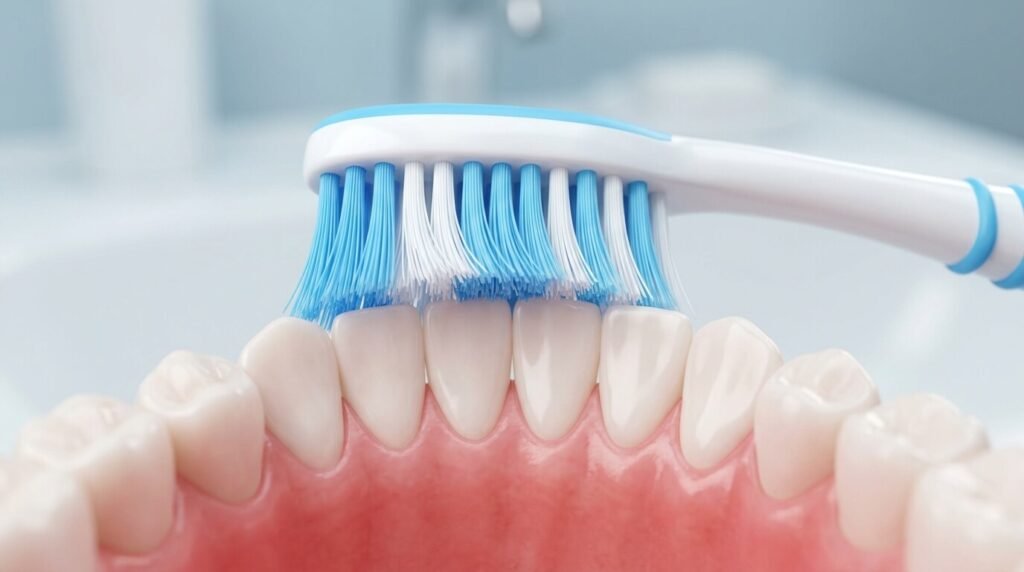
Use fluoride toothpaste and brush for two minutes morning and night. Clean all tooth surfaces gently.
Floss Once Daily
Floss removes plaque and food between teeth where brushes cannot reach.
Clean Your Tongue
Tongue cleaning helps reduce bacteria and bad breath.
Use Mouthwash if Needed
An antibacterial or fluoride rinse may provide extra protection.
Replace Toothbrush Regularly
Change your toothbrush every 3 months or sooner if bristles fray.
Best Foods for Oral Health
What you eat affects your mouth every day.
Tooth-Friendly Foods
- Cheese and yogurt
- Leafy greens
- Apples and crunchy vegetables
- Nuts and seeds
- Eggs and fish
- Water
Foods to Limit
- Sugary snacks
- Soda and sports drinks
- Sticky candies
- Frequent acidic drinks
- Excess processed foods
Healthy nutrition supports enamel strength and gum tissue repair.
Oral Health and Gum Care
Healthy gums hold teeth in place. If gums bleed while brushing, it is often a sign of inflammation—not a reason to stop brushing.
Signs of Healthy Gums
- Pink color
- Firm texture
- No bleeding
- No swelling
- No pain
How to Protect Gums
- Brush gently at the gumline
- Floss daily
- Stop smoking
- Control diabetes
- Get professional cleanings
Importance of Regular Dental Checkups
Even if your mouth feels fine, hidden issues may be developing. Dentists can detect cavities, gum disease, bite issues, and early oral cancer signs.
Recommended Schedule
Most people benefit from checkups every 6 months, though some may need more frequent visits.
Benefits of Professional Visits
- Plaque and tartar removal
- Early diagnosis
- Personalized advice
- X-rays when needed
- Prevention saves money long term
Oral Health for Children
Children need early care because baby teeth guide speech and permanent teeth development.
Tips for Kids
- Start cleaning gums before teeth erupt
- Use child-sized toothbrushes
- Limit sugary drinks
- Encourage water
- Schedule first dental visit by age one or when first tooth appears
- Make brushing fun and consistent
Parents play the biggest role in building habits.
Oral Health for Adults
Busy adults often delay care until pain appears. Prevention is smarter and less costly.
Adult Priorities
- Manage stress grinding (bruxism)
- Avoid tobacco
- Limit sugary coffee drinks
- Wear mouthguards for sports
- Replace missing teeth if needed
- Maintain routine cleanings
Oral Health for Seniors
Aging can bring dry mouth, gum recession, tooth wear, and medication-related issues.
Senior Care Tips
- Stay hydrated
- Clean dentures properly
- Use fluoride products
- Watch for sores or irritation
- Keep regular dental appointments
Connection Between Oral Health and Overall Health
The mouth reflects general health. Inflammation and bacteria may contribute to wider health concerns.
Conditions Linked With Poor Oral Health
- Heart disease
- Diabetes complications
- Respiratory infections
- Pregnancy complications
- Poor nutrition
Taking care of the mouth supports the body.
How Smoking Harms Oral Health
Smoking is one of the biggest risks for dental problems.
Smoking Can Cause:
- Gum disease
- Tooth staining
- Bad breath
- Slow healing after treatment
- Tooth loss
- Oral cancer risk
Quitting tobacco can significantly improve oral outcomes.
Signs You Need a Dentist Soon
Do not ignore warning signs.
- Toothache
- Bleeding gums
- Loose teeth
- Persistent bad breath
- Swelling
- Mouth sores lasting more than 2 weeks
- Broken tooth
- Jaw pain
Early care often prevents serious treatment later.
Oral Health Myths vs Facts
Myth: If nothing hurts, everything is fine
Fact: Many dental problems begin painlessly.
Myth: Bleeding gums are normal
Fact: Bleeding often means inflammation.
Myth: Hard brushing cleans better
Fact: Aggressive brushing can damage gums and enamel.
Myth: Baby teeth do not matter
Fact: They are important for growth and future alignment.
Best Tools for Better Oral Health
Choosing the right products helps.
Toothbrush
Soft-bristle manual or electric brush.
Toothpaste
Fluoride toothpaste for cavity prevention.
Floss
String floss, floss picks, or water flossers.
Mouthguard
Helpful for sports or nighttime grinding.
Easy Habits That Improve Oral Health Fast
If you want simple wins, start here:
- Brush before bed every night
- Drink more water
- Cut sugary snacking frequency
- Floss daily
- Schedule overdue dental visit
- Stop smoking
- Replace old toothbrush
Small habits create big long-term results.
How to Build a Long-Term Oral Health Plan
Strong teeth and healthy gums come from consistency, not perfection.
Monthly Goals
- Check brushing habits
- Replace products if needed
- Track sensitivity or bleeding
- Review diet choices
Yearly Goals
- Attend dental visits
- Complete needed treatment early
- Upgrade habits as needs change
Frequently Asked Questions
How often should I brush?
Twice daily for two minutes each time.
Is flossing really necessary?
Yes, it cleans areas your brush cannot reach.
Can gum disease be reversed?
Early gingivitis often can be reversed with good care and cleanings.
Is mouthwash required?
Not always, but it can help depending on your needs.
What is the best age to start dental visits?
Around the first birthday or first tooth eruption.
Conclusion
Oral Health is one of the most valuable investments you can make in your well-being. Strong teeth and healthy gums depend on daily care, smart food choices, regular checkups, and early treatment when problems appear. Whether you are caring for a child, maintaining your own smile, or supporting an older family member, consistent habits matter most. Start today with brushing, flossing, hydration, and a dental visit—your future smile will thank you.
For reservations and additional information, visit : aspertaan.com