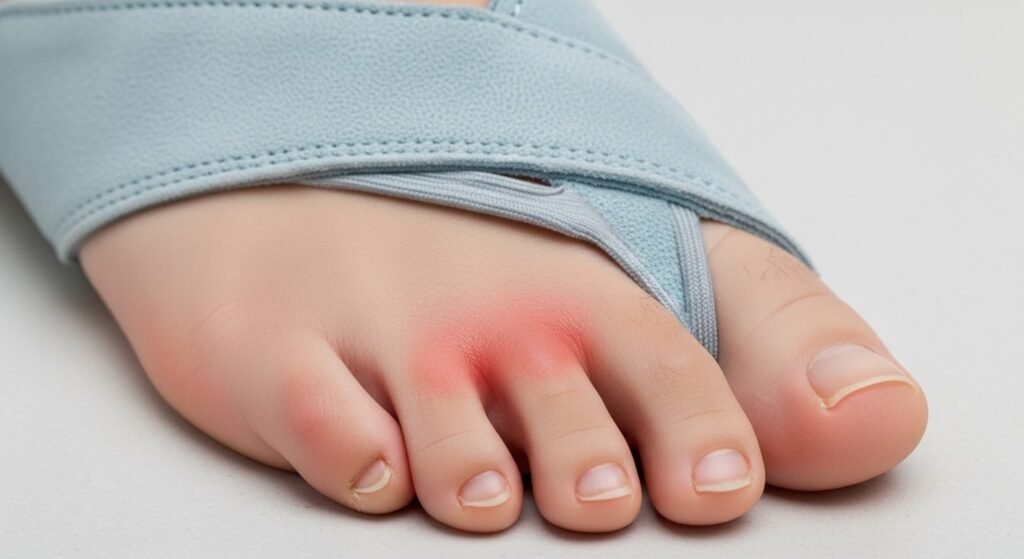

Many people ignore toe injuries because they seem small, but even a minor issue can make walking uncomfortable and disturb daily life. If you are experiencing pinky toe pain, it may be due to a fracture, sprain, tight shoes, or another medical condition. The good news is that most causes can be treated effectively with early care and the right approach. In this detailed guide, you will learn about symptoms, causes, diagnosis, treatment options, and prevention methods in simple language.
Understanding Pinky Toe Pain
The pinky toe, also called the fifth toe, helps maintain balance while walking and standing. Although it is small, it plays an important role in foot stability. When this toe becomes injured or inflamed, even simple movements can feel uncomfortable.
pinky toe pain may feel sharp, dull, throbbing, or burning. It may come suddenly after an injury or develop slowly due to pressure and friction.
Common Pinky Toe Pain Causes
Understanding pinky toe pain causes helps you choose the right treatment. Below are the most common reasons:
1. Fracture (Broken Toe)
A direct hit, such as stubbing your toe against furniture, can cause a small fracture. Symptoms include:
- Immediate sharp pain
- Swelling
- Bruising
- Difficulty walking
- Toe looking slightly crooked
Fractures often require protection and sometimes medical support..
2. Sprain
A sprain happens when ligaments are stretched or torn. This may occur if the toe twists awkwardly.
Symptoms of a sprain include:
- Mild swelling
- Tenderness
- Pain during movement
- Stiffness
Sprains usually heal with rest and simple care.
3. Pinky Toe Pain When Walking
If you feel pinky toe pain when walking, footwear may be the main cause. Tight shoes, high heels, or narrow toe boxes increase pressure and friction. Over time, this can cause irritation or deformities like a tailor’s bunion.
Changing shoes can often reduce discomfort quickly.
4. Corns and Calluses
Repeated rubbing from shoes may create thickened skin. These hard areas press on nerves and lead to discomfort..
5. Arthritis
Arthritis can affect toe joints, especially in older adults. It may cause stiffness, swelling, and ongoing discomfort.
6. Gout
Gout is a type of inflammatory arthritis caused by uric acid buildup. It can cause sudden swelling, redness, and intense pain in the toe.
7. Nerve Issues
Nerve compression or diabetic neuropathy may create burning or tingling sensations in the small toe..
Symptoms That Need Attention
Watch for these warning signs:
- Severe swelling
- Toe deformity
- Increasing redness
- Fever
- Inability to move the toe
These symptoms may require medical evaluation.
How Is It Diagnosed?
Doctors usually diagnose toe problems by:
- Asking about recent injuries
- Checking swelling and tenderness
- Examining toe alignment
- Ordering an X-ray if a fracture is suspected
Early diagnosis prevents complications.
Pinky Toe Pain Treatment Options
The correct pinky toe pain treatment depends on the cause and severity.
1. Rest
Avoid activities that put pressure on the toe.
2. Ice Therapy
Apply ice for 15–20 minutes several times daily to reduce swelling.
3. Elevation
Keeping the foot raised helps reduce inflammation.
4. Buddy Taping
Taping the injured toe to the next toe provides stability.
5. Pain Relievers
Over-the-counter medications can help manage discomfort.
6. Proper Footwear
Choose wide, comfortable shoes with soft cushioning.
Severe fractures or infections may require medical procedures or prescription medication.
Pinky Toe Pain Relief at Home
For mild injuries, simple home care can provide effective pinky toe pain relief:
- Cold compress
- Warm water soaking after swelling decreases
- Gentle stretching
- Anti-inflammatory creams
- Foot massage
Most mild cases improve within a few days to two weeks.
When Should You See a Doctor?
Consult a healthcare professional if:
- Pain lasts longer than one week
- The toe looks misaligned
- Swelling increases
- You cannot walk properly
- You have diabetes and foot pain
Prompt care prevents long-term damage.
Risk Factors
Certain factors increase your risk:
- Wearing tight shoes regularly
- Playing contact sports
- Having arthritis
- Being overweight
- Poor foot hygiene
Reducing these risks can protect your feet.
Prevention Tips
To avoid pinky toe pain, follow these preventive steps:
- Wear properly fitted shoes
- Avoid narrow toe boxes
- Trim toenails regularly
- Use protective footwear during sports
- Maintain healthy body weight
Healthy habits protect your feet long term.
Pinky Toe Pain in Athletes
Athletes often develop small toe injuries due to repetitive movement. Running, jumping, and sudden direction changes stress the toe joint.
Recovery tips:
- Rest adequately
- Stretch before exercise
- Wear supportive athletic shoes
- Gradually return to activity
Ignoring pain can worsen the injury.
Pinky Toe Pain in Older Adults
Older adults may experience chronic toe discomfort due to arthritis or reduced joint flexibility. Gentle exercises and supportive footwear can help manage symptoms.
Possible Complications
Untreated injuries may lead to:
- Chronic joint stiffness
- Deformity
- Ongoing swelling
- Balance problems
Early treatment prevents these issues.
Frequently Asked Questions
How long does healing take?
Minor sprains heal in 1–2 weeks. Fractures may take 4–6 weeks.
Can I walk with a broken pinky toe?
Limited walking may be possible, but rest is recommended for proper healing.
Does pinky toe pain go away on its own?
Mild cases may improve naturally, but persistent pain should be checked.
Conclusion
Although it may seem minor, pinky toe pain can affect balance, movement, and overall comfort. Causes range from fractures and sprains to arthritis and tight footwear. Identifying symptoms early and choosing the correct treatment approach ensures faster recovery. Most mild cases improve with rest, ice, and proper shoes, while serious injuries require medical care. By understanding causes, treatment options, and prevention strategies, you can protect your feet and maintain pain-free mobility.