
Introduction
Discovering a lump under your skin can be alarming. Many people immediately worry that it may be a serious condition, especially if the lump grows larger, becomes painful, or changes in appearance. In many cases, however, the cause is a sebaceous cyst, a common skin condition that is usually harmless. While these cysts are generally noncancerous, they can become uncomfortable, infected, or cosmetically bothersome if they are not properly managed. The good news is that most cases can be diagnosed easily and treated successfully through simple medical procedures or careful monitoring.
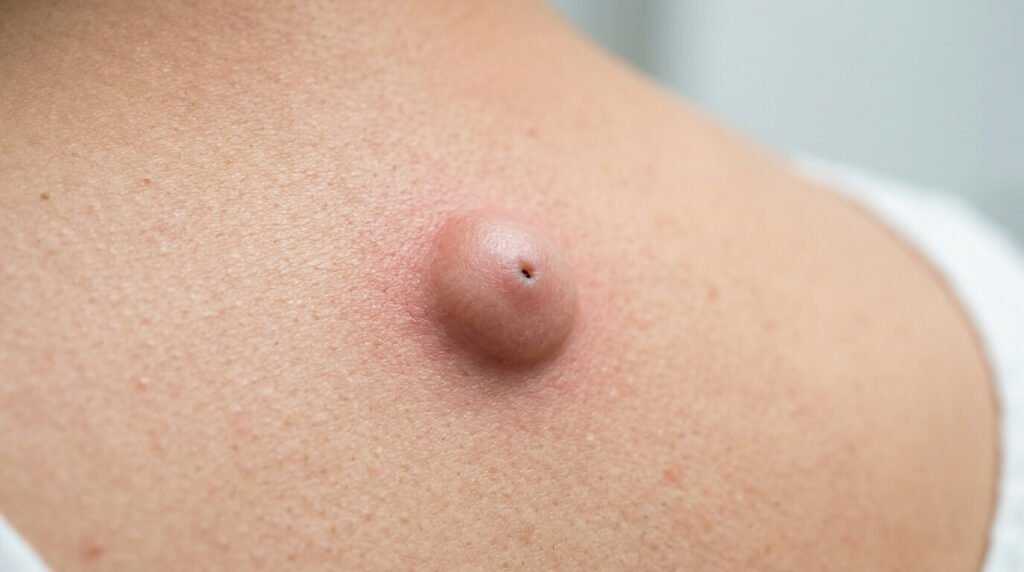
A sebaceous cyst is a slow-growing lump that develops beneath the skin. It often forms when a skin gland or hair follicle becomes blocked or damaged. These cysts can appear on various parts of the body, including the scalp, face, neck, back, and chest. They usually contain a soft, thick material made of keratin and other skin substances. Although many people live with these cysts without experiencing problems, understanding their causes, symptoms, and treatment options is important for maintaining healthy skin.
Because skin lumps can sometimes resemble other conditions, proper diagnosis is essential. Learning how these cysts develop, recognizing warning signs of infection, and knowing when to seek medical attention can help prevent complications and reduce anxiety. This guide explains everything you need to know in clear and simple language.
What Is a Sebaceous Cyst?
A cyst is a closed sac that forms beneath the skin and contains fluid, semi-solid material, or other substances. A sebaceous cyst typically appears as a small, round bump under the skin and grows slowly over time.
Most cysts of this type are:
- Noncancerous
- Smooth and round
- Slow-growing
- Painless in the early stages
- Filled with keratin-like material
The size can vary from a small pea-sized bump to a larger lump that becomes noticeable under clothing or during daily activities.
Causes of Sebaceous Cysts
Several factors can contribute to the development of these skin growths.
Blocked Oil Glands
The skin contains glands that produce natural oils to keep it healthy and moisturized. When these glands become blocked, material can build up and form a cyst.
Damaged Hair Follicles
Hair follicles may become damaged because of irritation, acne, or injury. This damage can trap skin cells beneath the surface and lead to cyst formation.
Skin Trauma
Cuts, scratches, surgical wounds, and other injuries can sometimes trigger the development of a cyst by disrupting normal skin structures.
Genetic Conditions
Some inherited disorders increase the likelihood of developing multiple skin cysts throughout life.
Chronic Acne
People with severe acne often experience repeated inflammation of hair follicles and oil glands, increasing the risk of cyst formation.
Common Symptoms
Symptoms vary depending on the size and location of the cyst.
Small Lump Beneath the Skin
The most common sign is a visible or palpable bump beneath the skin surface.
Slow Growth
Most cysts enlarge gradually over months or years rather than appearing suddenly.
Soft or Firm Texture
The lump may feel soft, rubbery, or slightly firm when touched.
Central Opening
Some cysts have a small dark spot or pore in the center.
Drainage
If the cyst ruptures, a thick, yellowish, or white substance may drain from it.
Redness and Swelling
Inflammation can make the area appear red and swollen.
Pain
Pain is more likely when the cyst becomes infected or irritated.
Areas Where These Cysts Commonly Appear
These growths can develop almost anywhere on the body but are more common in areas with many hair follicles.
Scalp
The scalp is one of the most frequent locations because of the high concentration of hair follicles.
Face
Facial cysts are often noticed quickly because they affect appearance.
Neck
The neck is another common site due to frequent skin friction and hair growth.
Back
Large cysts often develop on the upper back and shoulders.
Chest
The chest contains numerous oil-producing glands, making it a common area for cyst formation.
Risk Factors
Certain factors may increase the chance of developing skin cysts:
- Oily skin
- Severe acne
- Previous skin injuries
- Family history of cysts
- Repeated friction on the skin
- Middle adulthood
How Doctors Diagnose the Condition
Diagnosis usually begins with a physical examination.
Medical History
A healthcare provider may ask questions about:
- How long the lump has been present
- Whether it has changed in size
- Previous skin conditions
- Family history
Physical Examination
The doctor evaluates the size, location, shape, and texture of the lump.
Imaging Tests
Ultrasound scans may be used when the diagnosis is uncertain or when the lump is unusually large.
Biopsy
In rare situations, tissue samples may be examined to rule out other conditions.
Treatment Options
Treatment depends on symptoms, size, and whether infection is present.
Observation
Small cysts that cause no discomfort may simply be monitored.
Warm Compresses
Warm compresses can help reduce discomfort and encourage natural drainage.
Steroid Injections
Anti-inflammatory injections may reduce swelling and irritation.
Drainage Procedure
A healthcare provider can drain the contents if the cyst becomes painful or inflamed.
Surgical Removal
Complete removal is often the most effective solution because it removes the cyst wall and reduces recurrence.
Antibiotics
Antibiotics may be prescribed if infection develops.
Signs of Infection
Seek medical attention if you notice:
- Increased redness
- Swelling
- Warm skin around the lump
- Pus drainage
- Fever
- Significant pain
Prevention Tips
Although prevention is not always possible, these habits may help:
- Maintain good skin hygiene.
- Manage acne early.
- Avoid picking or squeezing skin lesions.
- Protect the skin from injuries.
- Seek medical advice for persistent lumps.
When to See a Doctor
Consult a healthcare professional if the lump:
- Grows rapidly
- Becomes painful
- Shows signs of infection
- Returns repeatedly
- Interferes with daily life
- Causes cosmetic concerns
Conclusion
A sebaceous cyst is a common skin condition that usually appears as a slow-growing lump beneath the skin. While most cases are harmless, some may become infected, painful, or bothersome over time. Understanding the causes, symptoms, diagnosis process, treatment options, and prevention methods can help you make informed decisions about your skin health. Early evaluation by a healthcare professional is recommended whenever a skin lump changes suddenly, becomes painful, or shows signs of infection. With proper care and treatment, most people can manage this condition successfully and avoid long-term complications.