
Introduction
Are you struggling with stubborn acne-like bumps that refuse to disappear no matter how many acne products you try? The problem may not be traditional acne at all. Many people unknowingly suffer from fungal acne, a skin condition that looks similar to acne but requires a completely different treatment approach. The good news is that once correctly identified, fungal acne can often be managed effectively with antifungal treatments, proper skincare habits, and preventive measures. This comprehensive guide explains everything you need to know, from causes and symptoms to treatment and prevention strategies.
What Is Fungal Acne?
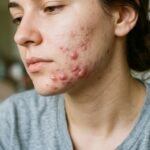
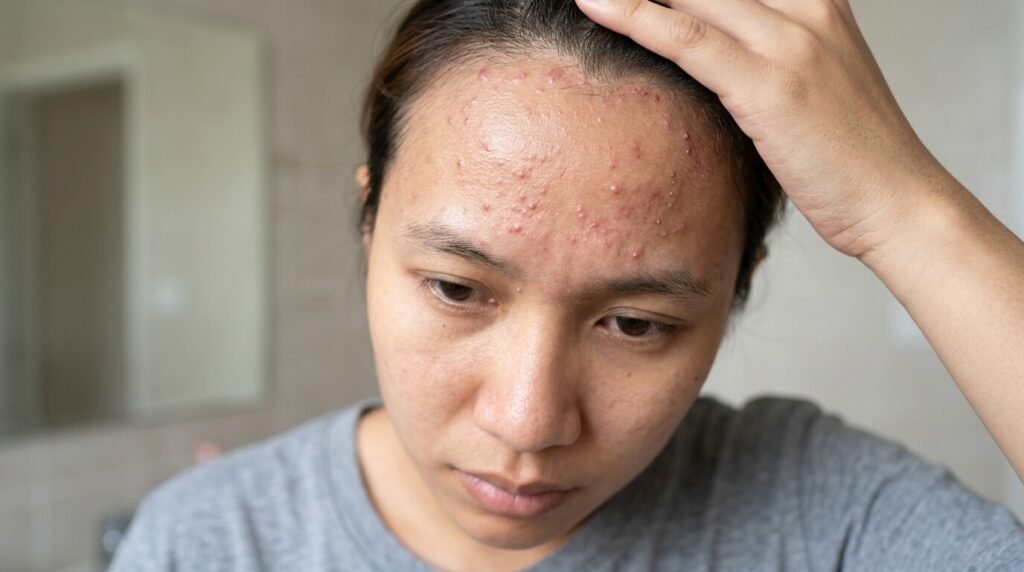
Fungal acne, medically known as Malassezia folliculitis or Pityrosporum folliculitis, is not actually acne. It is a fungal infection that develops when a yeast called Malassezia, naturally present on the skin, grows excessively and infects hair follicles. This overgrowth causes itchy, uniform bumps that resemble acne breakouts.
Unlike traditional acne, which results from clogged pores, bacteria, excess oil, and inflammation, fungal acne develops because of yeast overgrowth inside hair follicles. As a result, conventional acne treatments often fail to improve the condition and may sometimes make it worse.
Fungal Acne vs. Regular Acne
Many people confuse fungal acne with acne vulgaris because both conditions cause bumps and pimples. However, there are several important differences.
| Feature | Fungal Acne | Regular Acne |
| Cause | Yeast overgrowth | Bacteria, oil, clogged pores |
| Appearance | Uniform small bumps | Various sizes of pimples |
| Itching | Common | Rare |
| Blackheads | Usually absent | Common |
| Whiteheads | Sometimes present | Common |
| Treatment | Antifungal medications | Acne treatments |
One of the easiest ways to identify fungal acne is the presence of persistent itching and clusters of bumps that are nearly identical in size and appearance.
What Causes Fungal Acne?
The primary cause is the excessive growth of Malassezia yeast inside hair follicles. Although this yeast naturally lives on the skin, certain conditions encourage overgrowth.
Common Causes Include:
1. Hot and Humid Weather
Warm and humid environments create ideal conditions for yeast growth. People living in tropical climates often experience more frequent outbreaks.
2. Excessive Sweating
Sweat creates moisture that allows yeast to multiply rapidly, especially if sweaty clothing remains on the skin for extended periods.
3. Long-Term Antibiotic Use
Antibiotics kill bacteria but do not affect yeast. This imbalance can allow yeast populations to grow unchecked.
4. Oily Skin
Yeast thrives in oily environments. Individuals with naturally oily skin may be more susceptible to outbreaks.
5. Tight Clothing
Non-breathable clothing traps sweat and heat, creating an ideal environment for fungal growth.
6. Weakened Immune System
People with compromised immune systems may be at greater risk of developing fungal infections.
Symptoms of Fungal Acne
Recognizing symptoms is essential for proper treatment.
Common Signs and Symptoms
- Small, uniform red bumps
- Whiteheads or pus-filled bumps
- Persistent itching
- Burning sensation
- Clusters of similar-looking pimples
- Sudden breakouts
- Rash-like appearance
- Skin irritation
These bumps commonly appear on:
- Forehead
- Chest
- Back
- Shoulders
- Neck
- Upper arms
- Chin
Unlike traditional acne, fungal acne tends to occur in groups and often causes noticeable itching.
Who Is Most Likely to Get Fungal Acne?
Certain groups are more vulnerable.
Risk Factors
- Teenagers and young adults
- People with oily skin
- Athletes
- Individuals living in humid climates
- Those who sweat heavily
- People using antibiotics for long periods
- Individuals who frequently wear tight clothing
The condition affects both men and women, though studies suggest it may be more common among young males.
How Is Fungal Acne Diagnosed?
Proper diagnosis is crucial because fungal acne is frequently mistaken for traditional acne.
Dermatologists may diagnose it through:
Physical Examination
A dermatologist examines the appearance and distribution of bumps.
Skin Scraping
A small skin sample may be examined under a microscope to identify yeast organisms.
Wood’s Lamp Examination
A special ultraviolet light may reveal areas affected by fungal growth.
Response to Treatment
Sometimes diagnosis becomes clearer when standard acne treatments fail but antifungal therapies work.
Best Treatments for Fungal Acne
Because fungal acne is caused by yeast, treatment focuses on reducing fungal overgrowth rather than fighting bacteria.
Topical Antifungal Treatments
Common options include:
- Ketoconazole creams
- Clotrimazole creams
- Selenium sulfide products
- Zinc pyrithione cleansers
These ingredients help eliminate excess yeast on the skin.
Oral Antifungal Medications
For severe or persistent cases, dermatologists may prescribe oral antifungal medications. These often provide faster results but require medical supervision.
Antifungal Shampoos
Many dermatologists recommend shampoos containing:
- Ketoconazole
- Selenium sulfide
- Zinc pyrithione
These products can be used on affected skin areas as body washes.
Skincare Routine for Fungal Acne
An appropriate skincare routine can significantly improve symptoms.
Morning Routine
- Gentle cleanser
- Lightweight moisturizer
- Non-comedogenic sunscreen
Evening Routine
- Gentle cleansing
- Antifungal treatment
- Lightweight moisturizer
Avoid heavy oils and greasy products that may encourage yeast growth. Community discussions frequently report flare-ups associated with rich oils and fatty-acid-heavy formulations.
Ingredients to Avoid
Certain skincare ingredients may worsen fungal acne in some individuals.
Potential triggers include:
- Heavy oils
- Fatty acids
- Thick butters
- Greasy moisturizers
- Oil-based sunscreens
Selecting lightweight and non-comedogenic products may help reduce outbreaks.
Home Remedies for Fungal Acne
While home remedies should not replace medical treatment, some approaches may help manage symptoms.
Helpful Practices
- Shower immediately after exercise
- Keep skin dry
- Change sweaty clothing quickly
- Wash workout clothes regularly
- Use breathable fabrics
Warm compresses may also help soothe discomfort.
Can Diet Affect Fungal Acne?
Research specifically linking diet to fungal acne remains limited. However, maintaining a balanced diet that supports overall skin health may be beneficial.
Helpful habits include:
- Staying hydrated
- Eating fruits and vegetables
- Limiting highly processed foods
- Managing blood sugar levels
Diet alone is unlikely to cure fungal acne, but healthy nutrition can support overall skin function.
How to Prevent Fungal Acne
Prevention is often easier than treatment.
Effective Prevention Strategies
Shower After Sweating
Remove sweat and oil as soon as possible after exercise.
Wear Breathable Clothing
Choose moisture-wicking fabrics that reduce heat and humidity around the skin.
Avoid Tight Clothing
Loose-fitting garments help improve airflow and reduce sweat accumulation.
Maintain Good Hygiene
Regular cleansing can help control yeast growth.
Use Antifungal Washes if Recommended
People with recurrent outbreaks may benefit from occasional maintenance use of antifungal cleansers.
When Should You See a Dermatologist?
Consult a dermatologist if:
- Breakouts persist despite treatment
- Symptoms worsen
- Severe itching develops
- Large areas of skin are affected
- Traditional acne treatments are not working
A professional evaluation can confirm whether the condition is fungal acne or another form of folliculitis requiring different treatment.
Frequently Asked Questions
Is fungal acne contagious?
Current medical understanding suggests fungal acne is generally not considered contagious because Malassezia yeast naturally exists on most people’s skin.
Can fungal acne cause whiteheads?
Yes. Some cases may present with whiteheads alongside itchy bumps.
Does fungal acne go away on its own?
Mild cases may improve, but most require targeted antifungal treatment for complete resolution.
Can acne products treat fungal acne?
Most standard acne products do not effectively treat fungal acne because they target bacteria rather than yeast.
Conclusion
Fungal acne is a common but often misunderstood skin condition caused by an overgrowth of Malassezia yeast within hair follicles. Because it closely resembles traditional acne, many people spend months using ineffective treatments before receiving the correct diagnosis. Key signs include itchy, uniform bumps that appear in clusters, especially on the forehead, chest, back, and shoulders. Effective management typically involves antifungal medications, proper skincare, improved hygiene habits, and preventive measures such as showering after exercise and wearing breathable clothing. If your breakouts persist despite standard acne treatments, consulting a dermatologist can help identify whether fungal acne is the true cause and guide you toward the most effective treatment plan.