
Introduction
Dealing with painful, deep breakouts that leave scars and refuse to disappear can be frustrating and emotionally draining. Many people spend months or even years trying over-the-counter acne products without success because they are actually dealing with cystic acne, the most severe form of acne. The good news is that with the right diagnosis, targeted treatments, and a proper skincare routine, cystic acne can be controlled and future breakouts can be minimized. This comprehensive guide covers everything you need to know about cystic acne, including its causes, symptoms, treatment options, prevention strategies, and expert recommendations for healthier skin in 2026.
What Is Cystic Acne?
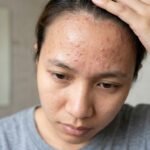
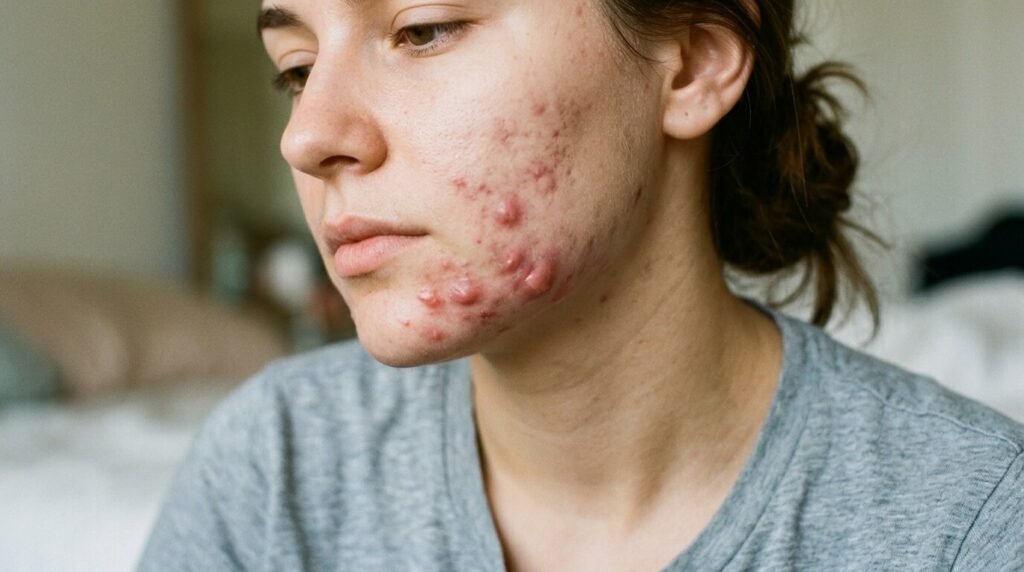
Cystic acne is a severe inflammatory form of acne that develops when pores become blocked with excess oil, dead skin cells, and bacteria. Unlike common pimples, cystic acne forms deep beneath the skin’s surface, creating large, painful, red bumps that often contain pus.
These cyst-like lesions can remain under the skin for weeks and frequently lead to permanent scarring if not treated properly. Cystic acne commonly appears on the face, jawline, chest, shoulders, neck, and back.
Because it affects deeper layers of the skin, cystic acne usually requires more aggressive treatment than mild or moderate acne.
What Causes Cystic Acne?
Understanding the causes of cystic acne is the first step toward effective treatment.
Excess Oil Production
Sebaceous glands naturally produce oil to keep the skin moisturized. However, excessive oil production can clog pores and create an environment where acne develops.
Hormonal Changes
Hormones play a major role in cystic acne. Increased androgen levels can stimulate oil glands, causing more sebum production and inflammation.
Hormonal fluctuations often occur during:
- Puberty
- Menstrual cycles
- Pregnancy
- Menopause
- Polycystic Ovary Syndrome (PCOS)
Bacterial Growth
The bacteria Cutibacterium acnes (formerly Propionibacterium acnes) naturally lives on the skin. When trapped inside clogged pores, it can multiply and trigger inflammation.
Genetics
Family history significantly influences acne risk. If one or both parents experienced severe acne, you may be more likely to develop cystic acne.
Stress
Stress does not directly cause acne, but it can worsen existing breakouts by triggering hormonal changes and inflammation.
Certain Medications
Some medications may increase acne risk, including:
- Corticosteroids
- Testosterone supplements
- Lithium
- Certain anticonvulsants
Symptoms of Cystic Acne
Cystic acne differs from ordinary pimples in several ways.
Common Symptoms Include:
- Large red bumps beneath the skin
- Painful and tender lesions
- Pus-filled cysts
- Swelling and inflammation
- Deep nodules
- Skin sensitivity
- Persistent breakouts
- Acne scarring
The lesions often feel hard and painful when touched. Unlike blackheads or whiteheads, cystic acne develops deep within the skin.
Cystic Acne vs. Regular Acne
Many people confuse cystic acne with traditional acne. Understanding the differences can help determine the appropriate treatment approach.
| Feature | Cystic Acne | Regular Acne |
| Severity | Severe | Mild to moderate |
| Pain | Usually painful | Usually painless |
| Location | Deep beneath skin | Surface of skin |
| Scarring Risk | High | Low to moderate |
| Healing Time | Weeks | Days |
| Treatment | Often requires prescription therapy | OTC treatments may help |
Cystic acne is more inflammatory and often requires professional medical care.
Who Is Most at Risk for Cystic Acne?
Certain individuals are more likely to experience severe acne.
Common Risk Factors
- Teenagers experiencing puberty
- Adults with hormonal imbalances
- Individuals with oily skin
- People with a family history of severe acne
- Women with PCOS
- Individuals under chronic stress
- People using acne-triggering medications
While cystic acne is common during adolescence, many adults continue experiencing breakouts into their 30s, 40s, and beyond.
Common Areas Where Cystic Acne Appears
Face
The cheeks, forehead, chin, and jawline are among the most common locations.
Jawline and Chin
Hormonal acne frequently appears around the lower face.
Chest
Excess oil production can lead to chest breakouts.
Back
Back acne, often called “bacne,” is common among individuals with severe acne.
Shoulders and Neck
These areas contain numerous sebaceous glands that can contribute to acne development.
How Is Cystic Acne Diagnosed?
A dermatologist typically diagnoses cystic acne through a clinical examination.
Physical Evaluation
The doctor assesses:
- Severity of lesions
- Location of breakouts
- Presence of scarring
- Inflammation levels
Medical History Review
Questions may include:
- Family history
- Current medications
- Hormonal conditions
- Previous acne treatments
Hormonal Testing
In some cases, blood tests may be recommended to identify hormonal imbalances contributing to severe acne.
Best Treatments for Cystic Acne
Treatment depends on severity, age, medical history, and underlying causes.
Prescription Retinoids
Retinoids help prevent clogged pores and reduce inflammation.
Benefits include:
- Improved skin cell turnover
- Reduced acne formation
- Prevention of future breakouts
Oral Antibiotics
Dermatologists may prescribe antibiotics to reduce bacterial growth and inflammation.
Common options include:
- Doxycycline
- Minocycline
- Sarecycline
Hormonal Treatments
Women with hormonal acne may benefit from:
- Birth control pills
- Spironolactone
These medications help regulate hormone levels and reduce oil production.
Isotretinoin (Accutane)
For severe or treatment-resistant cases, isotretinoin is often considered the most effective treatment.
Benefits include:
- Significant reduction in oil production
- Long-term acne control
- Prevention of scarring
Because of potential side effects, isotretinoin requires close medical supervision.
Cortisone Injections
Dermatologists may inject large cysts with corticosteroids to quickly reduce swelling and pain.
Skincare Routine for Cystic Acne
A consistent skincare routine supports professional treatment.
Morning Routine
- Gentle cleanser
- Oil-free moisturizer
- Broad-spectrum sunscreen SPF 30+
Evening Routine
- Gentle cleanser
- Prescription treatment
- Non-comedogenic moisturizer
Important Tips
- Avoid harsh scrubs
- Do not over-cleanse
- Use fragrance-free products
- Choose non-comedogenic formulas
Consistency is more important than using multiple products.
Ingredients That Help Cystic Acne
Several skincare ingredients can improve acne-prone skin.
Salicylic Acid
Helps unclog pores and remove excess oil.
Benzoyl Peroxide
Reduces acne-causing bacteria and inflammation.
Retinoids
Improve cell turnover and prevent clogged pores.
Niacinamide
Supports skin barrier function and reduces redness.
Azelaic Acid
Helps reduce inflammation and post-acne discoloration.
Ingredients to Avoid
Certain ingredients may worsen acne in susceptible individuals.
Heavy Oils
Some oils can clog pores and contribute to breakouts.
Harsh Alcohols
Can irritate skin and increase oil production.
Fragranced Products
May trigger irritation and inflammation.
Comedogenic Ingredients
Products with pore-clogging ingredients should generally be avoided.
Natural Remedies for Cystic Acne
Natural remedies should complement—not replace—medical treatment.
Lifestyle Habits That May Help
- Adequate sleep
- Stress management
- Regular exercise
- Proper hydration
- Balanced nutrition
Warm Compresses
Warm compresses may help reduce discomfort from painful cysts.
Avoid squeezing or picking acne lesions, as this significantly increases scarring risk.
Can Diet Affect Cystic Acne?
Research suggests certain dietary factors may influence acne severity.
Foods That May Worsen Acne
- High-glycemic foods
- Sugary beverages
- Excessive processed foods
- Some dairy products
Foods That Support Skin Health
- Fruits
- Vegetables
- Whole grains
- Lean proteins
- Omega-3-rich foods
While diet alone will not cure cystic acne, healthy eating may help reduce inflammation.
How to Prevent Cystic Acne
Prevention focuses on reducing triggers and maintaining healthy skin habits.
Prevention Strategies
- Follow a consistent skincare routine
- Remove makeup before sleeping
- Use non-comedogenic products
- Manage stress effectively
- Avoid touching your face
- Change pillowcases regularly
- Stay hydrated
- Seek early treatment for breakouts
Early intervention can prevent severe inflammation and long-term scarring.
Cystic Acne Scars: Why They Happen
Because cystic acne damages deeper skin layers, scarring is common.
Types of Acne Scars
- Ice pick scars
- Boxcar scars
- Rolling scars
- Post-inflammatory hyperpigmentation
The best way to prevent scarring is to treat cystic acne promptly and avoid picking lesions.
When Should You See a Dermatologist?
Seek professional help if:
- Breakouts are painful
- OTC products fail to work
- Scarring develops
- Acne affects self-confidence
- Lesions continue spreading
Dermatologists can create personalized treatment plans and prevent long-term skin damage.
Frequently Asked Questions
Is cystic acne permanent?
No. With proper treatment, most people can achieve significant improvement or complete clearance.
Can cystic acne go away on its own?
Some cases improve naturally, but severe cystic acne often requires professional treatment.
Does popping cystic acne help?
No. Popping cystic acne can worsen inflammation and increase scarring risk.
Is cystic acne hormonal?
Many cases are influenced by hormones, especially those occurring around the jawline and chin.
How long does cystic acne take to heal?
Individual lesions may take several weeks to heal, while overall improvement may require several months of consistent treatment.
Conclusion
Cystic acne is the most severe form of acne and can significantly impact both skin health and self-confidence. Characterized by painful, deep, inflamed lesions, it often requires more than standard over-the-counter treatments. Understanding the causes, recognizing symptoms early, and following an effective treatment plan are essential for long-term improvement. With professional dermatological care, targeted medications, a consistent skincare routine, and healthy lifestyle habits, most people can successfully manage cystic acne and prevent future breakouts. If your acne is painful, persistent, or causing scars, seeking medical advice early can make a substantial difference in achieving clearer, healthier skin.