
Introduction
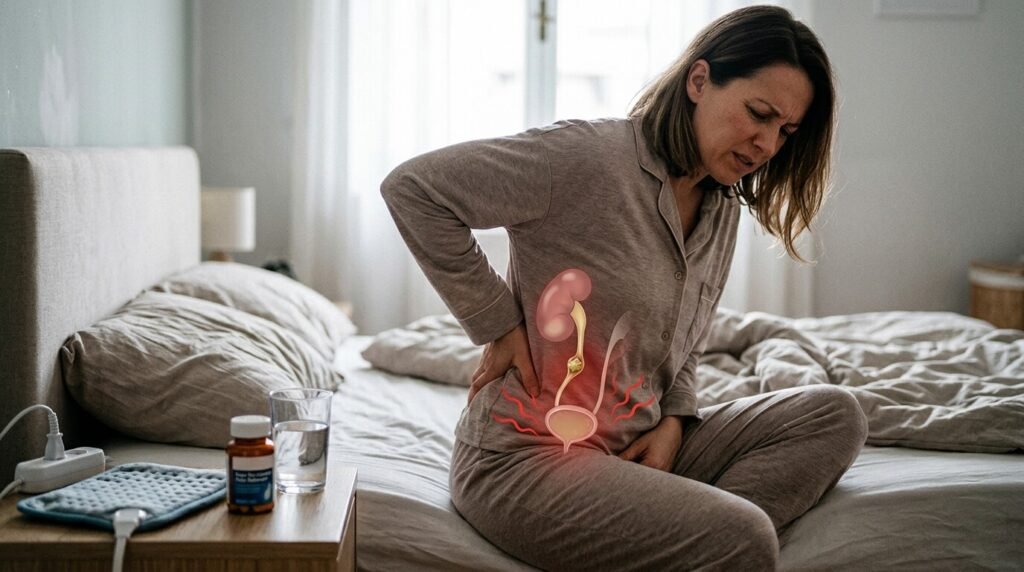
Many people ignore the early signs of kidney stones because the symptoms often start mildly and resemble common urinary or digestive problems. Unfortunately, delaying medical attention can lead to severe pain, urinary blockage, infection, and even kidney damage. The good news is that recognizing kidney stone symptoms early can help you seek timely treatment, reduce complications, and improve recovery outcomes. Understanding the warning signs, causes, and treatment options is the first step toward protecting your kidney health. According to leading medical sources, symptoms often begin when a stone moves into the urinary tract and obstructs urine flow.
What Are Kidney Stones?
Kidney stones are hard deposits made of minerals and salts that form inside the kidneys. They develop when urine becomes concentrated, allowing minerals to crystallize and stick together. These stones can vary in size from tiny grains of sand to larger formations that may require medical intervention.
Kidney stones can affect anyone, but factors such as dehydration, obesity, dietary habits, certain medications, and family history can increase the risk. While small stones may pass without noticeable symptoms, larger stones often cause significant discomfort and urinary problems.
Early Kidney Stone Symptoms
Recognizing early warning signs can help prevent serious complications.
Common early symptoms include:
- Mild discomfort in the lower back or side
- Frequent urge to urinate
- Burning sensation during urination
- Slight changes in urine color
- Intermittent abdominal discomfort
- Nausea without an obvious cause
In many cases, symptoms remain mild until the stone begins moving through the urinary tract. Once movement occurs, pain and urinary symptoms usually become more noticeable.
Severe Pain in the Side and Back
One of the most recognizable kidney stone symptoms is intense pain in the side and back, typically below the ribs.
This pain:
- Often starts suddenly
- Can be sharp or stabbing
- May come in waves
- Changes in intensity over time
- Can become unbearable without treatment
The pain occurs when a stone blocks the ureter, causing pressure to build within the kidney. This symptom is often referred to as renal colic and is considered one of the most painful medical conditions.
Pain That Radiates to the Groin
As the stone travels through the urinary tract, the location of pain often changes.
Many patients experience:
- Lower abdominal pain
- Groin pain
- Pain extending toward the bladder
- Pelvic discomfort
This shifting pain pattern is a classic indicator that a kidney stone is moving through the ureter. The discomfort may fluctuate as the stone changes position.
Painful or Burning Urination
Pain during urination is another common symptom.
You may notice:
- Burning sensations while urinating
- Sharp pain at the end of urination
- Increased discomfort as the stone approaches the bladder
Many people mistakenly assume they have a urinary tract infection when experiencing these symptoms. However, kidney stones can produce very similar sensations.
Blood in the Urine (Hematuria)
Blood in the urine is one of the most important warning signs that should never be ignored.
Urine may appear:
- Pink
- Red
- Brown
- Rust-colored
As stones move through the urinary tract, they can scratch delicate tissues and cause bleeding. Sometimes the blood is visible, while in other cases it can only be detected through laboratory testing.
Frequent Urination and Urgency
Many individuals with kidney stones report urinary changes before severe pain develops.
Common urinary symptoms include:
- Frequent trips to the bathroom
- Constant urge to urinate
- Passing small amounts of urine
- Feeling unable to completely empty the bladder
These symptoms occur because the stone irritates the urinary tract and disrupts normal urine flow.
Cloudy or Foul-Smelling Urine
Healthy urine is generally clear and has a mild odor.
Kidney stones may cause:
- Cloudy urine
- Strong-smelling urine
- Unusual urine appearance
These symptoms can indicate irritation or a secondary infection occurring alongside the stone. Medical evaluation is recommended whenever these changes are present.
Nausea and Vomiting
The kidneys and digestive system share nerve connections, which explains why kidney stones often trigger digestive symptoms.
Patients commonly experience:
- Nausea
- Vomiting
- Loss of appetite
- Stomach upset
These symptoms frequently accompany severe pain episodes and may worsen as the obstruction becomes more significant.
Fever and Chills: A Medical Emergency
If kidney stone symptoms are accompanied by fever and chills, immediate medical care is essential.
Warning signs include:
- High fever
- Shaking chills
- Severe pain
- Difficulty urinating
These symptoms may indicate a urinary tract infection combined with a blockage, which can become life-threatening if untreated.
Kidney Stone Symptoms in Women
Women may experience symptoms that overlap with gynecological conditions and urinary tract infections.
Common symptoms include:
- Lower abdominal pain
- Pelvic discomfort
- Frequent urination
- Blood in urine
- Nausea
Because symptoms can mimic other conditions, proper medical evaluation is important for accurate diagnosis.
Kidney Stone Symptoms in Men
Men are more likely to develop kidney stones than women.
Typical symptoms include:
- Flank pain
- Groin pain
- Testicular discomfort
- Blood in urine
- Painful urination
The pain often radiates downward as the stone moves through the urinary tract.
What Causes Kidney Stones?
Several factors contribute to stone formation.
Common causes include:
Dehydration
Insufficient water intake concentrates urine, allowing crystals to form more easily.
High Sodium Diet
Excess salt increases calcium levels in urine, raising stone risk.
Obesity
Research shows obesity increases the likelihood of developing kidney stones.
Certain Medical Conditions
Conditions such as diabetes, gout, and digestive disorders can contribute to stone formation.
Family History
A genetic predisposition significantly increases risk.
How Kidney Stones Are Diagnosed
Healthcare providers use several diagnostic tools to confirm kidney stones.
These include:
- Medical history review
- Physical examination
- Urinalysis
- Blood tests
- Ultrasound
- CT scan
Imaging studies help determine the stone’s size, location, and potential complications.
Treatment Options for Kidney Stones
Treatment depends on stone size, location, and symptom severity.
Conservative Treatment
Small stones often pass naturally with:
- Increased fluid intake
- Pain relievers
- Medical observation
Medications
Doctors may prescribe medications that relax the ureter and facilitate stone passage.
Shock Wave Therapy
Extracorporeal Shock Wave Lithotripsy (ESWL) breaks stones into smaller fragments.
Ureteroscopy
A thin instrument is used to locate and remove stones.
Surgery
Large or complicated stones may require surgical removal.
How to Prevent Kidney Stones
Prevention is often easier than treatment.
Stay Hydrated
Drinking adequate water helps dilute urine and reduce crystal formation.
Limit Salt Intake
Reducing sodium lowers the risk of calcium stone formation.
Eat a Balanced Diet
Include fruits, vegetables, and appropriate dietary calcium.
Maintain a Healthy Weight
Weight management can lower kidney stone risk.
Follow Medical Advice
Individuals with recurring stones should work closely with healthcare professionals to develop personalized prevention strategies.
When Should You See a Doctor?
Seek medical attention immediately if you experience:
- Severe, unbearable pain
- Blood in urine
- Fever and chills
- Persistent vomiting
- Difficulty passing urine
- Signs of dehydration
Prompt treatment can prevent infections, kidney damage, and other serious complications.
Frequently Asked Questions
What is usually the first symptom of a kidney stone?
The earliest symptom is often mild pain in the side or lower back, followed by urinary changes as the stone begins moving.
Can kidney stones cause stomach pain?
Yes. Many people experience abdominal discomfort, nausea, and vomiting due to shared nerve pathways between the kidneys and digestive system.
Do all kidney stones cause symptoms?
No. Small stones may pass without causing noticeable symptoms.
How long do kidney stone symptoms last?
Symptoms may last from a few days to several weeks depending on the size and location of the stone.
Can drinking water help pass a kidney stone?
Adequate hydration can help small stones pass more easily and is an important part of prevention.
Conclusion
Kidney stone symptoms should never be ignored, especially when they include severe side pain, blood in the urine, painful urination, nausea, vomiting, or fever. While some small stones pass naturally, larger stones can cause significant complications if left untreated. Early recognition, prompt diagnosis, and appropriate treatment can prevent kidney damage and improve outcomes. By staying hydrated, maintaining a healthy diet, and seeking medical care when warning signs appear, you can reduce your risk of kidney stones and protect your long-term urinary health.