
Introduction
Many people struggle with fragmented healthcare, long waits for specialist appointments, rising medical costs, and confusion about where to seek care for ongoing health concerns. These challenges often lead to delayed diagnoses, poor chronic disease management, and preventable hospital visits. The solution lies in comprehensive primary care, a patient-centered approach that provides continuous, coordinated, and whole-person healthcare throughout every stage of life. By focusing on prevention, early intervention, chronic disease management, and long-term patient relationships, comprehensive primary care helps individuals achieve better health outcomes while reducing healthcare costs and improving quality of life.
What Is Comprehensive Primary Care?
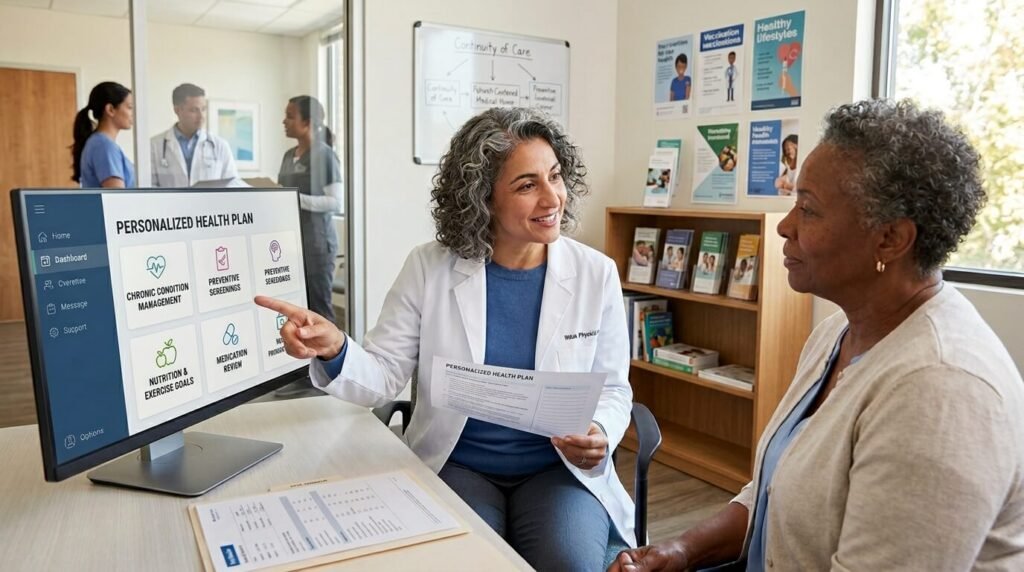
Comprehensive primary care is a healthcare model designed to address the majority of a person’s health needs through accessible, coordinated, and continuous care. Unlike traditional healthcare systems that often focus on treating individual illnesses, comprehensive primary care emphasizes the whole person, including physical, mental, emotional, and social well-being.
Healthcare professionals providing comprehensive primary care serve as the first point of contact for patients and coordinate care across different healthcare services when specialized treatment is required. This integrated approach ensures patients receive the right care at the right time while maintaining continuity throughout their healthcare journey.
The concept is built upon several core principles:
- First-contact access to healthcare services
- Comprehensive treatment across all life stages
- Continuous patient-provider relationships
- Coordinated care among healthcare providers
- Preventive healthcare and health promotion
- Patient-centered decision-making
These principles work together to create a healthcare system that focuses not only on treating diseases but also on maintaining overall health and wellness.
Why Comprehensive Primary Care Matters
Healthcare systems worldwide increasingly recognize the importance of comprehensive primary care because it delivers better health outcomes while improving efficiency. Research consistently demonstrates that strong primary care systems are associated with lower mortality rates, reduced healthcare costs, and improved patient satisfaction.
When patients have access to comprehensive primary care, they benefit from:
Better Health Outcomes
Patients receiving continuous primary care often experience earlier detection of diseases, better management of chronic conditions, and improved overall health status. Regular interactions with a trusted healthcare provider help identify health risks before they become serious problems.
Lower Healthcare Costs
Preventive care and early intervention significantly reduce the need for expensive emergency room visits, hospitalizations, and specialist treatments. By addressing health issues proactively, comprehensive primary care helps contain healthcare spending while maintaining high-quality care.
Improved Patient Experience
Patients develop long-term relationships with their healthcare providers, leading to greater trust, better communication, and more personalized care. Providers gain a deeper understanding of patients’ medical histories, preferences, and unique health challenges.
Core Components of Comprehensive Primary Care
Understanding the essential elements of comprehensive primary care helps explain why this model is so effective.
1. Preventive Care and Health Promotion
Prevention forms the foundation of comprehensive primary care. Healthcare providers focus on helping patients avoid illness through:
- Routine health screenings
- Vaccinations and immunizations
- Lifestyle counseling
- Nutritional guidance
- Smoking cessation support
- Exercise recommendations
- Mental health assessments
Preventive services can identify risk factors early and empower patients to make informed health decisions.
2. Chronic Disease Management
Millions of people live with chronic conditions such as diabetes, hypertension, asthma, heart disease, and arthritis. Comprehensive primary care provides ongoing monitoring and management of these conditions through:
- Regular health evaluations
- Medication management
- Personalized treatment plans
- Patient education
- Monitoring disease progression
- Coordination with specialists
This continuous support helps patients maintain better control of their conditions and avoid complications.
3. Care Coordination
Modern healthcare often involves multiple providers and treatment settings. Comprehensive primary care serves as the central hub for coordinating care across various healthcare services.
Primary care providers help:
- Manage specialist referrals
- Review treatment recommendations
- Coordinate laboratory testing
- Track medications
- Ensure communication among healthcare teams
- Facilitate smooth transitions between care settings
Effective coordination reduces duplication of services and improves patient safety.
4. Mental and Behavioral Health Integration
Mental health is an essential component of overall health. Comprehensive primary care increasingly integrates behavioral health services into routine care.
Common services include:
- Depression screening
- Anxiety assessments
- Stress management support
- Substance use counseling
- Mental health referrals
- Behavioral therapy coordination
By addressing mental and physical health together, providers can offer more holistic care.
5. Family and Community-Centered Care
Comprehensive primary care recognizes that health is influenced by family dynamics, community resources, social determinants, and environmental factors.
Providers consider:
- Family health history
- Social support systems
- Economic challenges
- Housing conditions
- Access to nutritious food
- Educational opportunities
This broader perspective helps healthcare professionals develop more effective and realistic treatment plans.
Comprehensive Primary Care Across Every Stage of Life
One of the greatest strengths of comprehensive primary care is its ability to support individuals throughout their entire lifespan.
Infants and Children
During childhood, primary care focuses on:
- Growth and development monitoring
- Immunizations
- Preventive screenings
- Nutritional guidance
- Management of common childhood illnesses
- Parent education
Early healthcare interventions establish a strong foundation for lifelong wellness.
Adolescents and Young Adults
As children become teenagers and young adults, healthcare needs evolve.
Primary care providers assist with:
- Physical development assessments
- Mental health support
- Sexual and reproductive health education
- Sports physicals
- Substance abuse prevention
- Lifestyle counseling
These services help young people navigate important developmental transitions safely.
Adults
For adults, comprehensive primary care emphasizes:
- Preventive screenings
- Chronic disease prevention
- Stress management
- Workplace health concerns
- Family planning
- Lifestyle modification
Regular healthcare visits help maintain health and identify emerging issues before they become serious.
Older Adults
As people age, healthcare needs become increasingly complex.
Comprehensive primary care supports older adults through:
- Medication management
- Fall prevention strategies
- Cognitive health assessments
- Chronic disease management
- Functional health evaluations
- Coordination of specialized services
This approach helps older adults maintain independence and quality of life.
The Role of Technology in Comprehensive Primary Care
Technology has transformed the delivery of comprehensive primary care.
Electronic Health Records (EHRs)
Digital health records allow providers to:
- Access complete patient histories
- Track health trends
- Coordinate care efficiently
- Reduce medical errors
- Improve communication among healthcare teams
Telehealth Services
Virtual healthcare visits have expanded access to care, especially for:
- Rural populations
- Individuals with mobility challenges
- Follow-up appointments
- Mental health consultations
- Chronic disease monitoring
Remote Patient Monitoring
Wearable devices and remote monitoring tools help healthcare providers track:
- Blood pressure
- Blood glucose levels
- Heart rate
- Physical activity
- Sleep patterns
These technologies support proactive care and early intervention.
Benefits of Comprehensive Primary Care for Patients
Patients who engage in comprehensive primary care often experience numerous advantages.
Enhanced Continuity of Care
Long-term relationships with healthcare providers create a deeper understanding of patient needs and preferences.
Improved Disease Prevention
Regular screenings and preventive services help identify health risks before symptoms develop.
Better Chronic Disease Control
Ongoing monitoring and personalized treatment plans support effective disease management.
Greater Patient Empowerment
Education and shared decision-making enable patients to take an active role in their healthcare.
Reduced Emergency Care Utilization
Proactive care decreases the likelihood of preventable emergencies and hospital admissions.
Challenges Facing Comprehensive Primary Care
Despite its many benefits, comprehensive primary care faces several challenges.
Workforce Shortages
Many regions experience shortages of primary care physicians, nurse practitioners, and physician assistants.
Financial Constraints
Traditional reimbursement systems often prioritize treatment over prevention and care coordination.
Administrative Burden
Healthcare providers frequently spend significant time on documentation and administrative tasks.
Health Equity Gaps
Access to high-quality primary care remains uneven across different populations and geographic areas.
Addressing these challenges requires healthcare policy reforms, workforce development initiatives, and investment in primary care infrastructure.
How to Choose a Comprehensive Primary Care Provider
Selecting the right provider is an important step toward better health.
Consider the following factors:
- Provider qualifications and experience
- Accessibility and office location
- Availability of preventive services
- Coordination with specialists
- Communication style
- Telehealth options
- Patient reviews and satisfaction ratings
A strong patient-provider relationship is essential for achieving long-term health goals.
The Future of Comprehensive Primary Care
Healthcare systems worldwide are increasingly moving toward value-based care models that reward quality outcomes rather than service volume. Comprehensive primary care plays a central role in this transformation.
Future developments may include:
- Greater integration of behavioral health services
- Expanded use of artificial intelligence
- Enhanced remote monitoring capabilities
- Personalized healthcare approaches
- Improved care coordination technologies
- Stronger focus on social determinants of health
These innovations will further strengthen the ability of primary care to improve population health outcomes.
Conclusion
Comprehensive primary care is more than a healthcare service—it is a long-term partnership focused on improving health and well-being throughout every stage of life. By emphasizing prevention, continuity, care coordination, chronic disease management, and patient-centered care, this model addresses the majority of healthcare needs in a cost-effective and efficient manner. As healthcare systems continue to evolve, comprehensive primary care remains one of the most powerful tools for achieving better health outcomes, reducing healthcare costs, and enhancing quality of life for individuals, families, and communities. Investing in comprehensive primary care today creates a healthier future for everyone.