
Introduction
Many people are curious about the Amish lifestyle but often misunderstand how Amish communities live, work, and maintain their traditions in the modern world. Some believe the Amish reject everything related to technology, while others assume their lives are isolated and outdated. The truth is much more complex. Understanding their faith, values, family traditions, and daily routines provides a clearer picture of how these communities preserve their way of life while adapting carefully to changing times. This guide explains the history, beliefs, culture, and everyday practices that shape Amish society.
What Is the Amish Lifestyle?
The Amish lifestyle refers to a traditional way of living based on Christian faith, humility, family values, and close-knit communities. Amish people are descendants of Anabaptist Christians who sought to maintain simple living and separation from worldly influences.
Their lifestyle emphasizes:
- Faith and worship
- Strong family relationships
- Community cooperation
- Modest clothing
- Simplicity and humility
- Limited use of modern technology
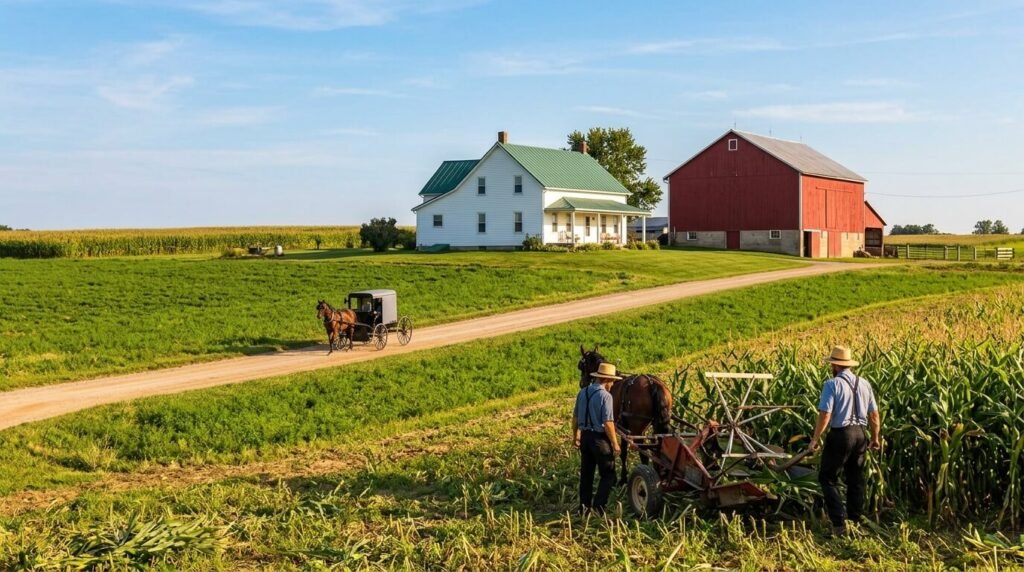
Although many people associate the Amish with horse-drawn buggies and farms, their culture involves much more than these symbols.
History and Origins of the Amish
The Amish originated in Europe during the late 1600s. They were named after Jakob Ammann, a Swiss religious leader who emphasized strict adherence to Biblical teachings and community discipline.
In the early 1700s, many Amish families migrated to Pennsylvania in search of religious freedom. Today, large Amish populations are found in:
- Pennsylvania
- Ohio
- Indiana
- Wisconsin
- Illinois
- Iowa
- Canada
Despite living in North America for centuries, they have preserved many customs and traditions passed down through generations.
Core Beliefs and Values
Faith is the foundation of the Amish lifestyle. Their daily activities revolve around Christian principles and community responsibilities.
Humility
Amish people believe humility is more important than individual achievement. They avoid showing pride or drawing attention to themselves.
Community
Helping neighbors and supporting one another are essential values. Families often work together during harvests, house building, and emergencies.
Simplicity
Living simply helps reduce distractions and encourages stronger relationships with God and family.
Separation From the World
The Amish seek to avoid influences that could weaken their traditions or create excessive dependence on modern culture.
Daily Life in Amish Communities
Daily routines vary according to occupation and season, but most families follow structured schedules.
Morning
- Early rising
- Family prayers
- Preparing breakfast
- Farm chores
Afternoon
- Farming
- Carpentry
- Quilting
- Schoolwork
- Running businesses
Evening
- Family meals
- Social gatherings
- Bible reading
- Household chores
Their days focus on productivity, family interaction, and religious devotion.
Amish Family Life
Family is central to the Amish lifestyle. Large families are common, and children are viewed as blessings.
Parents teach:
- Respect
- Responsibility
- Work ethics
- Religious values
Children often help with:
- Gardening
- Feeding animals
- Cleaning
- Cooking
Grandparents and extended family members also play important roles in raising children.
Amish Clothing and Appearance
Amish clothing represents modesty and simplicity rather than fashion.
Men Usually Wear
- Broad-brimmed hats
- Suspenders
- Plain shirts
- Dark trousers
- Beards after marriage
Women Usually Wear
- Long dresses
- Aprons
- Prayer coverings
- Bonnets
Jewelry and flashy accessories are generally avoided because they may encourage pride.
Do Amish People Use Technology?
One of the most misunderstood aspects of the Amish lifestyle involves technology.
The Amish do not reject all technology. Instead, each community decides what technologies are appropriate.
Some may allow:
- Battery-powered lights
- Generators
- Cell phones for business
- Farm equipment
- Solar panels
Others maintain stricter rules. Technology is evaluated based on whether it strengthens or weakens family and community life.
Education in Amish Communities
Most Amish children attend one-room schools operated by the community.
Education generally ends after eighth grade.
Subjects include:
- Reading
- Writing
- Mathematics
- History
- Geography
Practical skills are emphasized because young people usually enter farming, trades, or family businesses.
Language Spoken by the Amish
Many Amish families speak Pennsylvania Dutch at home.
They also use:
- English
- High German during church services
Children grow up bilingual, preserving traditions while communicating with the outside world.
Amish Occupations and Businesses
Although farming remains important, many Amish families earn income through various trades.
Common occupations include:
Farming
Traditional agriculture continues to support many families.
Carpentry
Amish craftsmen are known for high-quality furniture and woodworking.
Construction
Many communities operate successful construction businesses.
Quilting and Sewing
Handmade quilts and crafts are sold throughout North America.
Food Production
Bakeries, markets, and produce stands provide additional income.
Their strong work ethic contributes to successful businesses and financial stability.
Transportation Methods
Horse-drawn buggies are iconic symbols of the Amish.
Other forms of transportation include:
- Scooters
- Bicycles in some communities
- Hiring drivers
- Public transportation
Automobile ownership is generally prohibited because it may encourage independence from the community.
Amish Food and Cooking Traditions
Meals are often homemade and shared with family members.
Popular dishes include:
- Chicken and noodles
- Homemade bread
- Mashed potatoes
- Meatloaf
- Pickled vegetables
- Apple pie
Community meals after church services strengthen relationships among families.
Religion and Church Services
Church services take place every other Sunday, often in homes or barns instead of church buildings.
Services involve:
- Hymns
- Bible readings
- Sermons
- Prayer
- Fellowship meals
Religious gatherings may last several hours and provide opportunities for community bonding.
Marriage and Courtship
Young adults begin socializing during their teenage years.
Courtship is usually supervised and focused on finding a lifelong partner.
Marriage is considered a sacred commitment.
Wedding celebrations often include:
- Hundreds of guests
- Traditional meals
- Singing
- Family gatherings
Divorce is extremely rare within Amish communities.
Amish Health Care Practices
The Amish seek medical care when necessary and visit:
- Doctors
- Dentists
- Hospitals
They usually avoid commercial insurance and instead support each other through community funds.
This mutual aid system allows families to manage medical expenses together.
Holidays and Celebrations
Important occasions include:
Christmas
Focused on faith and family rather than commercial traditions.
Easter
Celebrated with church services and family meals.
Weddings
Large community gatherings featuring traditional foods and fellowship.
Harvest Events
Seasonal work often brings neighbors together.
Common Misconceptions About Amish People
Myth 1: They Reject All Technology
Reality: Technology is evaluated based on its effect on family and community.
Myth 2: Everyone Is a Farmer
Reality: Many Amish own businesses and work in trades.
Myth 3: They Never Use Modern Medicine
Reality: Amish people commonly seek medical treatment.
Myth 4: They Live Completely Isolated Lives
Reality: They interact with non-Amish communities for business and practical purposes.
Why Many People Admire Amish Living
Modern society often experiences stress, consumerism, and constant digital distractions.
People admire the Amish because they emphasize:
- Family unity
- Community support
- Meaningful work
- Simplicity
- Faith
- Strong values
Although their lifestyle may not suit everyone, many individuals find inspiration in their commitment to relationships and purpose.
Lessons We Can Learn From the Amish
Even without adopting Amish traditions, people can learn valuable lessons:
- Spend more time with family.
- Reduce unnecessary distractions.
- Value community relationships.
- Practice gratitude.
- Focus on meaningful work.
- Live with simplicity and purpose.
Conclusion
The Amish lifestyle is much more than horse-drawn buggies and plain clothing. It represents a centuries-old way of life built on faith, humility, family, and community. While Amish communities vary in their practices, their commitment to simplicity and strong values continues to attract interest around the world. Understanding their traditions and daily routines offers valuable insights into how meaningful relationships and purposeful living can thrive even in a rapidly changing society.