
Introduction
Many people feel trapped by fixed routines, expensive lifestyles, and the pressure of staying in one place. They dream of freedom, flexibility, and the ability to explore the world while still earning a living. The good news is that adopting a nomadic lifestyle offers a solution. Whether you want to become a digital nomad, travel full-time, or simplify your life, this guide explains everything you need to know to live and travel freely.
What Is a Nomadic Lifestyle?
A nomadic lifestyle is a way of living without being permanently tied to one location. Instead of settling in one place, nomads move from place to place based on work opportunities, seasons, personal goals, or travel interests.
Traditional nomads moved with their livestock and followed natural resources. Modern nomads use technology, remote work, and flexible living arrangements to travel while maintaining their careers.
The lifestyle focuses on:
- Freedom and flexibility
- Minimalism
- Experiences over possessions
- Adaptability
- Independence
History and Origins of Nomadic Living
Nomadic living is one of the oldest ways of life. Before agriculture, humans survived as hunter-gatherers and moved regularly in search of food and water.
Traditional nomadic communities include:
- Bedouins of the Middle East
- Maasai people of East Africa
- Mongolian pastoral nomads
- Sami people of Northern Europe
Today, modern technology has transformed ancient nomadism into digital and travel-based lifestyles.
Types of Nomadic Lifestyles
Digital Nomads
Digital nomads work online while traveling. They may be:
- Freelancers
- Writers
- Programmers
- Designers
- Online teachers
- Virtual assistants
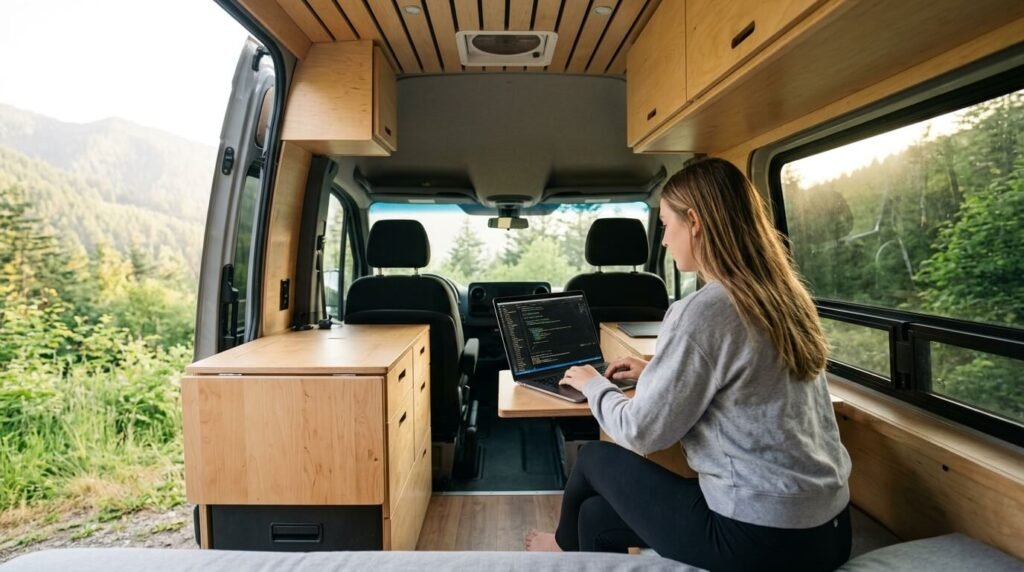
Van Life Nomads
People who live in vans, RVs, or camper vehicles while traveling.
Advantages
- Lower accommodation costs
- Freedom to travel anytime
- Flexible routes
Backpacking Nomads
These travelers move frequently and often carry only essential belongings.
Seasonal Workers
Some individuals work in different places throughout the year, including:
- Tourism
- Farming
- Cruise ships
- Hospitality
Traditional Nomads
Communities that still practice pastoral and semi-nomadic lifestyles.
Why People Choose a Nomadic Lifestyle
People choose this lifestyle for many reasons.
Freedom
No fixed office or permanent home.
Travel Opportunities
Experience different cultures and countries.
Lower Living Costs
Some destinations are more affordable than major cities.
Better Work-Life Balance
Remote work allows flexible schedules.
Personal Growth
Travel teaches adaptability, confidence, and problem-solving skills.
Benefits of Living a Nomadic Lifestyle
More Life Experiences
Travel provides memories and experiences that many people value more than material possessions.
Minimalism
Owning fewer things creates less stress and more freedom.
Flexible Work Environment
You can work from:
- Cafes
- Co-working spaces
- Hotels
- Beaches
- Mountain cabins
Learning About Cultures
Meeting people from different backgrounds broadens your perspective.
Greater Independence
Nomads become skilled at handling challenges and adapting to new environments.
Challenges of a Nomadic Lifestyle
Despite its benefits, nomadic living also has difficulties.
Loneliness
Constant travel can make it hard to maintain friendships.
Unstable Internet
Remote workers depend on reliable connections.
Visa Restrictions
Different countries have different rules and time limits.
Lack of Routine
Moving often can disrupt healthy habits.
Financial Uncertainty
Freelancers and entrepreneurs may experience fluctuating income.
Healthcare Concerns
Accessing medical care while traveling requires planning.
How to Start a Nomadic Lifestyle
Starting gradually is often the best approach.
Step 1: Define Your Goals
Ask yourself:
- Why do I want this lifestyle?
- What kind of travel do I enjoy?
- How much money do I need?
Step 2: Build an Income Source
Popular options include:
- Freelancing
- Blogging
- Affiliate marketing
- Web development
- Online teaching
- Social media management
- Graphic design
Step 3: Reduce Possessions
Minimalism makes traveling easier.
Sell or donate items you rarely use.
Step 4: Create a Budget
Include:
- Accommodation
- Food
- Transportation
- Insurance
- Emergency savings
Step 5: Choose Your First Destination
Consider:
- Cost of living
- Internet quality
- Safety
- Climate
- Visa requirements
Essential Skills for Nomads
Successful nomads usually develop these skills:
Time Management
Working and traveling require discipline.
Financial Planning
Managing expenses is important.
Communication Skills
Networking creates opportunities.
Problem Solving
Unexpected situations happen frequently.
Adaptability
Flexibility is one of the biggest strengths of nomads.
Best Jobs for Modern Nomads
Popular remote careers include:
Content Writing
Writing articles, blogs, and website content.
Web Development
Building websites and applications.
Graphic Design
Creating visual content.
Digital Marketing
Managing advertising campaigns and SEO.
Online Tutoring
Teaching languages or academic subjects.
Virtual Assistance
Supporting businesses remotely.
Video Editing
Producing content for creators and brands.
How Much Money Do You Need?
Expenses vary depending on destination and lifestyle.
Typical monthly costs include:
| Category | Estimated Cost |
| Accommodation | $300–$1,200 |
| Food | $150–$500 |
| Transportation | $50–$300 |
| Internet | $20–$100 |
| Insurance | $50–$200 |
| Entertainment | $100–$400 |
Many beginners start with savings covering six months of expenses.
What to Pack for a Nomadic Lifestyle
Traveling light makes life easier.
Essential Items
- Laptop
- Smartphone
- Power bank
- Backpack
- Universal adapter
- Important documents
- Comfortable clothing
- Travel insurance
- First-aid kit
Avoid overpacking because mobility is one of the biggest advantages of this lifestyle.
Health and Wellness While Traveling
Maintaining health is important.
Eat Balanced Meals
Choose healthy foods whenever possible.
Exercise Regularly
Walking, hiking, yoga, and gyms help maintain fitness.
Sleep Well
Quality sleep improves productivity.
Manage Stress
Meditation and routines help prevent burnout.
Popular Destinations for Digital Nomads
Some favorite destinations include:
- Thailand
- Indonesia
- Portugal
- Mexico
- Vietnam
- Spain
- Malaysia
- Colombia
People often choose these countries because of affordable living costs and strong internet access.
Is a Nomadic Lifestyle Right for You?
This lifestyle may suit you if:
- You enjoy travel.
- You value freedom.
- You can adapt easily.
- You prefer experiences over possessions.
- You are comfortable with uncertainty.
It may not be ideal if you strongly prefer stability and long-term routines.
Common Myths About Nomadic Living
Myth 1: Nomads Are Always on Vacation
Most nomads still work and manage responsibilities.
Myth 2: Only Rich People Can Do It
Many travelers live on moderate budgets.
Myth 3: You Must Travel Constantly
Slow travel is becoming more popular.
Myth 4: It Is Easy
The lifestyle requires planning and discipline.
Future of the Nomadic Lifestyle
Remote work continues to grow worldwide. Many companies now support flexible work arrangements, making long-term travel easier than ever.
Digital tools, online businesses, and global communities have created new opportunities for people seeking location independence.
As technology evolves, more individuals are expected to embrace this way of living.
Conclusion
The nomadic lifestyle is about much more than traveling. It is a mindset that values freedom, flexibility, and meaningful experiences. While it comes with challenges such as financial planning, loneliness, and constant change, it also offers opportunities for personal growth and adventure. With proper preparation, reliable income, and realistic expectations, anyone can take steps toward creating a life that combines work, travel, and independence.