
Introduction
Many people feel scared and confused when they first hear about cancer treatment. They often ask what is chemotherapy, how it works, and whether it is safe. This confusion can increase fear and stress for patients and their families. The solution is simple: understanding chemotherapy in clear and simple language helps reduce anxiety and makes it easier to follow the treatment plan with confidence.
Chemotherapy is a medical treatment used to kill cancer cells or stop them from growing. It is one of the most common cancer treatments in the world. In this article, we will explain everything in simple words, including how it works, types, side effects, and recovery.
Throughout this guide, we will clearly explain what is chemotherapy so beginners can understand it easily without medical confusion.
Understanding What Is Chemotherapy
To understand what is chemotherapy, we first need to know what cancer does in the body. Cancer cells grow in an uncontrolled way and spread quickly. Chemotherapy uses special drugs to stop this growth.
Chemotherapy is designed to:
- Kill cancer cells
- Slow down cancer growth
- Prevent cancer from spreading
- Shrink tumors before surgery
It works throughout the whole body, which is why it is called a systemic treatment.
How Chemotherapy Works in Simple Words
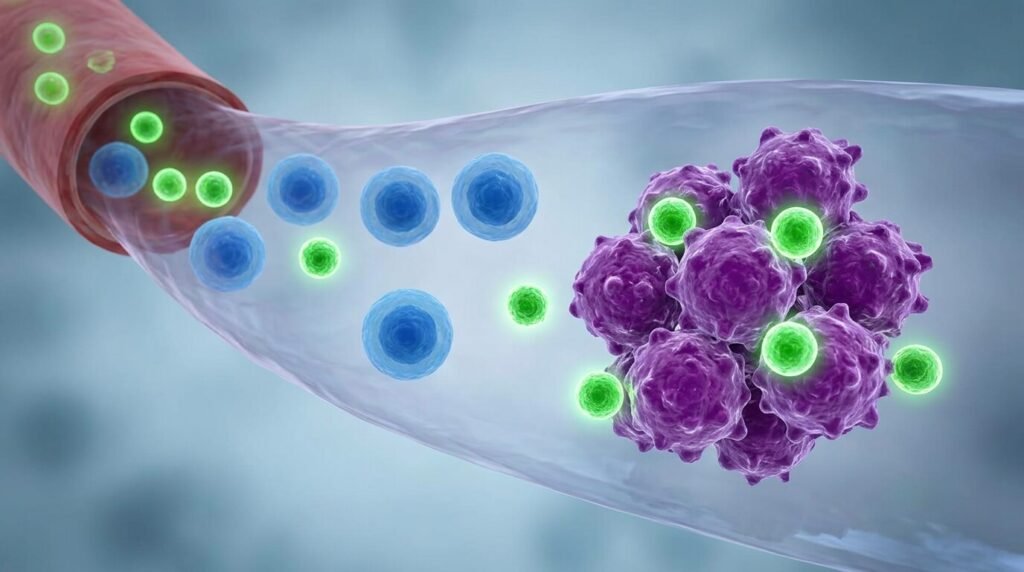
Chemotherapy drugs travel through the bloodstream and attack fast-growing cells. Cancer cells grow quickly, so they are more affected.
Here is how it works step by step:
- Drugs enter the bloodstream
- They reach cancer cells all over the body
- They damage cancer cell DNA
- Cancer cells stop growing or die
However, some healthy cells like hair roots and stomach cells also grow fast. That is why side effects happen.
Why Doctors Use Chemotherapy
Doctors recommend chemotherapy for different reasons depending on the cancer type and stage.
1. To Cure Cancer
In some cases, chemotherapy can completely remove cancer from the body.
2. To Control Cancer
If cancer cannot be fully removed, it can still be controlled.
3. To Shrink Tumors
Tumors may be reduced before surgery or radiation.
4. To Stop Spread
Chemotherapy helps stop cancer from spreading to other organs.
Types of Chemotherapy Treatment
There are different treatment plans depending on patient needs:
Adjuvant Chemotherapy
Given after surgery to remove remaining cancer cells.
Neoadjuvant Chemotherapy
Given before surgery to shrink tumors.
Curative Chemotherapy
Used when the goal is full recovery.
Palliative Chemotherapy
Used to reduce pain and improve quality of life.
Understanding these types helps answer what is chemotherapy in real medical practice.
Ways Chemotherapy Is Given
Chemotherapy can be given in different ways depending on the patient condition:
- IV (Intravenous): Through a vein in hospital
- Oral tablets: Taken by mouth at home
- Injection: Given into muscle or skin
- Topical cream: Used for skin cancer
- Direct delivery: Targeted to one area of the body
Each method depends on the cancer type and treatment plan.
Common Side Effects of Chemotherapy
Side effects happen because chemotherapy affects both cancer and healthy cells.
Common side effects include:
- Hair loss
- Weakness and tiredness
- Nausea and vomiting
- Loss of appetite
- Mouth sores
- Low immunity
- Stomach problems
Not every patient has the same side effects. Doctors give medicines to reduce them.
Long-Term Effects of Chemotherapy
Some effects may continue after treatment ends:
- Memory problems (chemo brain)
- Nerve pain or weakness
- Fertility changes
- Heart or organ effects (rare cases)
Regular follow-up helps doctors manage these problems early.
What Happens During Chemotherapy Treatment
A patient’s journey usually follows three stages:
Before Treatment
- Blood tests
- Scans
- Treatment planning
During Treatment
- Regular hospital visits
- Drug administration sessions
- Monitoring side effects
After Treatment
- Recovery period
- Follow-up checkups
- Health monitoring
This process helps patients understand what is chemotherapy in real-life experience.
Emotional Impact of Chemotherapy
Cancer treatment is not only physical but also emotional. Many patients feel:
- Fear and anxiety
- Stress about results
- Mood changes
- Fatigue from treatment
Family support and counseling play an important role in recovery.
Modern Advances in Chemotherapy
Today, chemotherapy is more advanced and safer than before. Doctors often combine it with:
- Immunotherapy
- Targeted therapy
- Precision medicine
These modern treatments improve success rates and reduce side effects.
Tips for Managing Chemotherapy Side Effects
Patients can manage treatment better with simple steps:
- Drink enough water
- Eat small and healthy meals
- Rest properly
- Do light exercise if possible
- Follow doctor instructions carefully
- Avoid infections by staying clean
These habits improve comfort during treatment.
When to Contact a Doctor
Patients should contact a doctor immediately if they notice:
- High fever
- Severe vomiting
- Unusual bleeding
- Strong pain
- Signs of infection
Quick action can prevent serious complications.
Conclusion
Understanding what is chemotherapy is very important for patients and families facing cancer. Chemotherapy is a powerful medical treatment that uses drugs to stop or kill cancer cells. Although it can cause side effects, modern medicine has made it safer and more effective than ever before.
By learning how it works, why it is used, and what to expect, patients can feel more confident and less afraid during treatment. With proper medical care, emotional support, and a positive mindset, many people successfully complete chemotherapy and continue their journey toward recovery and better health.