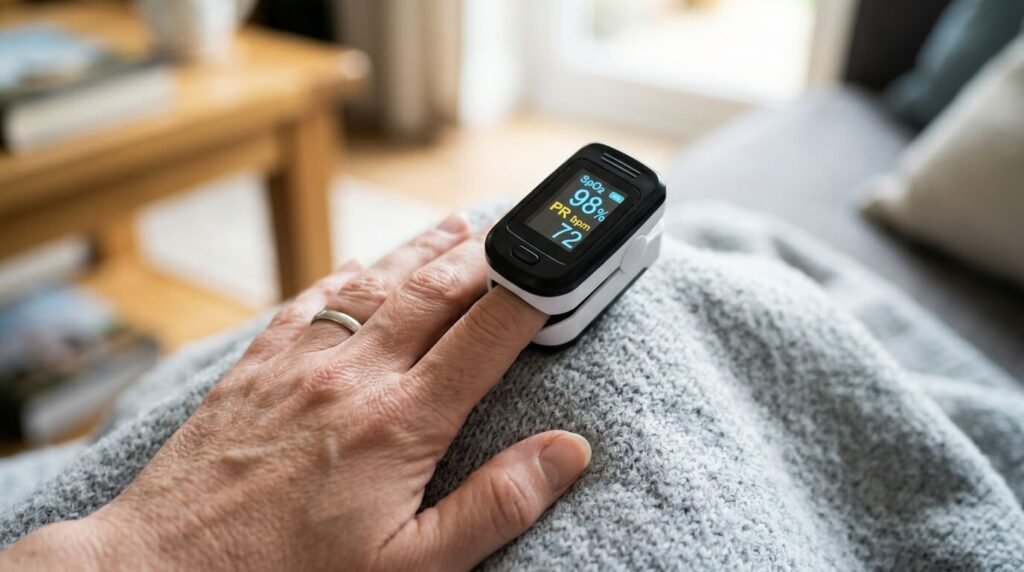

Your body needs a steady supply of oxygen to keep every organ working properly. When oxygen levels fall below the normal range, your heart, brain, and other vital organs may not receive enough oxygen to function well. The good news is that understanding your oxygen status, recognizing warning signs, and following healthy habits can help you stay well.
This guide explains everything you need to know in simple language, including normal readings, causes of low oxygen, symptoms, treatment, and ways to improve your breathing naturally.
What Are Oxygen Levels?
Oxygen levels refer to the amount of oxygen circulating in your blood. Doctors usually measure this as oxygen saturation (SpO₂), which shows the percentage of hemoglobin carrying oxygen.
A small device called a pulse oximeter measures oxygen saturation by placing it on your fingertip. In hospitals, doctors may also perform an arterial blood gas (ABG) test for more detailed information.
Healthy oxygen is essential because it:
- Supplies energy to your cells
- Supports brain function
- Helps muscles work properly
- Keeps your heart healthy
- Maintains normal organ function
Without enough oxygen, the body begins to struggle, leading to fatigue and more serious health problems.
What Is a Normal Oxygen Saturation?
Most healthy adults have an oxygen saturation between 95% and 100%.
Here is a simple guide:
| Oxygen Saturation | Meaning |
| 95%–100% | Normal |
| 91%–94% | Slightly lower than normal; medical advice may be needed |
| Below 90% | Low oxygen and requires prompt medical attention |
Some people with chronic lung diseases may normally have slightly lower readings. Always follow your healthcare provider’s advice for your specific condition.
How Oxygen Is Measured
Healthcare professionals use two common methods.
Pulse Oximeter
A pulse oximeter is a small, painless device placed on your finger. It provides a quick estimate of blood oxygen saturation within seconds.
It is commonly used:
- At home
- In hospitals
- During surgery
- In emergency care
- For people with breathing conditions
Arterial Blood Gas Test
This blood test measures oxygen, carbon dioxide, and blood acidity. It provides more accurate information but requires drawing blood from an artery.
Doctors usually recommend it for serious respiratory conditions.
Common Causes of Low Oxygen
Many health conditions can reduce the amount of oxygen reaching your bloodstream.
Lung Diseases
Diseases affecting the lungs make it difficult for oxygen to move into the blood.
Examples include:
- Asthma
- Pneumonia
- Chronic obstructive pulmonary disease (COPD)
- Pulmonary fibrosis
- Lung infections
Heart Problems
Heart conditions may reduce blood circulation, limiting oxygen delivery throughout the body.
Sleep Apnea
People with sleep apnea experience repeated pauses in breathing during sleep, causing oxygen levels to drop temporarily.
High Altitude
Air contains less oxygen at higher elevations, making it harder for the body to maintain normal oxygen saturation.
COVID-19 and Respiratory Infections
Certain viral infections can affect lung function and reduce oxygen absorption.
Smoking
Smoking damages lung tissue over time and decreases the body’s ability to absorb oxygen efficiently.
Symptoms of Low Oxygen
Low blood oxygen can develop gradually or suddenly.
Common symptoms include:
- Shortness of breath
- Rapid breathing
- Fast heartbeat
- Fatigue
- Headache
- Dizziness
- Confusion
- Bluish lips or fingertips
- Difficulty concentrating
Severely low oxygen is a medical emergency. Seek immediate medical care if someone experiences severe breathing difficulty, chest pain, confusion, or loss of consciousness.
Risk Factors
Some people have a greater chance of developing low oxygen.
These include:
- Older adults
- Smokers
- People with asthma
- COPD patients
- Individuals with heart disease
- People with obesity
- Patients recovering from major surgery
- Those living at high altitude
Knowing your risk can help you monitor your health more closely.
How Doctors Diagnose Low Oxygen
Doctors begin with a physical examination and ask about symptoms.
Additional tests may include:
- Pulse oximetry
- Arterial blood gas analysis
- Chest X-ray
- CT scan
- Lung function tests
- Electrocardiogram (ECG)
- Blood tests
The goal is not only to identify low oxygen but also to determine its underlying cause.
Treatment Options
Treatment depends on the reason behind the oxygen problem.
Oxygen Therapy
Supplemental oxygen increases the amount of oxygen entering the bloodstream.
It may be provided through:
- Nasal cannula
- Face mask
- Portable oxygen concentrator
Many patients use oxygen therapy safely at home under medical supervision.
Medications
Doctors may prescribe medications such as:
- Bronchodilators
- Steroids
- Antibiotics
- Antiviral medicines
The choice depends on the specific illness.
Pulmonary Rehabilitation
People with chronic lung disease often benefit from supervised exercise, breathing training, and education programs.
Treating the Underlying Condition
Managing asthma, heart disease, infections, or sleep apnea often restores normal oxygen levels over time.
Natural Ways to Support Healthy Oxygen
Healthy lifestyle choices can improve lung function and overall breathing.
Exercise Regularly
Walking, swimming, and cycling strengthen the heart and lungs.
Practice Deep Breathing
Breathing exercises help expand the lungs and improve oxygen exchange.
Examples include:
- Diaphragmatic breathing
- Pursed-lip breathing
Stop Smoking
Quitting smoking allows the lungs to heal and improves oxygen delivery.
Eat a Balanced Diet
Nutritious foods support healthy blood cells and lung function.
Include:
- Fruits
- Vegetables
- Whole grains
- Lean protein
- Healthy fats
Stay Hydrated
Water helps keep mucus thin, making breathing easier.
Maintain a Healthy Weight
Excess weight can make breathing more difficult and increase the risk of sleep apnea.
When Should You Check Your Oxygen?
Monitoring is especially helpful if you have:
- Chronic lung disease
- COVID-19 recovery
- Pneumonia
- Heart disease
- Sleep apnea
- Persistent breathing problems
Home pulse oximeters are useful tools but should not replace professional medical evaluation.
Can Anxiety Affect Oxygen Readings?
Anxiety often causes rapid breathing, dizziness, and chest discomfort. Although these symptoms may feel like low oxygen, oxygen saturation usually remains normal.
If symptoms continue or readings remain low, seek medical advice rather than assuming anxiety is the cause.
Tips to Maintain Healthy Breathing
Simple daily habits can protect your lungs.
- Stay physically active.
- Avoid smoking and secondhand smoke.
- Wash your hands to prevent infections.
- Keep vaccinations up to date.
- Manage chronic health conditions.
- Improve indoor air quality.
- Get enough sleep.
- Drink enough water.
These habits support long-term respiratory health.
Frequently Asked Questions
What is a healthy oxygen saturation?
Most healthy adults have oxygen saturation between 95% and 100%.
Is 92% oxygen dangerous?
A reading of 92% may require medical assessment, especially if symptoms are present or the reading continues.
Can drinking water increase oxygen?
Water does not directly raise oxygen saturation, but staying hydrated supports healthy lung function.
How often should I check oxygen at home?
People with chronic respiratory disease should follow their doctor’s instructions. Healthy individuals usually do not need routine monitoring.
Does exercise improve oxygen use?
Yes. Regular exercise strengthens the heart and lungs, helping the body use oxygen more efficiently.
Conclusion
Understanding oxygen levels can help you recognize early signs of breathing problems and seek treatment when needed. Most healthy adults maintain oxygen saturation between 95% and 100%, but illnesses affecting the lungs or heart can reduce these values. Monitoring symptoms, living a healthy lifestyle, and following medical advice are the best ways to protect your respiratory health. If you experience persistent shortness of breath or consistently low readings, consult a healthcare professional promptly for proper evaluation and treatment.