
A confident smile can make a lasting impression, and porcelain veneers have become one of the most popular cosmetic dental treatments for achieving a flawless appearance. Whether you want to correct stained teeth, chipped enamel, uneven spacing, or minor misalignment, porcelain veneers offer a durable and aesthetically pleasing solution.
In this comprehensive guide, you’ll discover everything you need to know about porcelain veneers, including their benefits, procedure, costs, maintenance, advantages, disadvantages, and whether they are the right choice for your smile.
What Are Porcelain Veneers?
Porcelain veneers are thin, custom-made shells crafted from high-quality dental porcelain. Dentists bond these shells to the front surface of your teeth to improve their appearance. Because porcelain closely resembles natural tooth enamel, the final result looks realistic and blends seamlessly with surrounding teeth.
Many people choose porcelain veneers to enhance their smile without undergoing extensive dental procedures.
Why Choose Porcelain Veneers?
There are several reasons why porcelain veneers remain one of the most requested cosmetic dentistry treatments.
Natural Appearance
Modern dental porcelain reflects light similarly to natural enamel, creating a lifelike smile.
Long-Lasting Results
With proper care, porcelain veneers typically last between 10 and 15 years, and many last even longer.
Stain Resistance
Unlike natural teeth, porcelain resists stains from coffee, tea, wine, and tobacco much better.
Customized Design
Each veneer is individually designed to match your facial features, smile shape, and desired tooth color.
Improved Confidence
Many patients experience increased confidence after enhancing their smile with porcelain veneers.
Common Dental Problems Porcelain Veneers Can Fix
Dentists recommend porcelain veneers for a variety of cosmetic concerns, including:
- Discolored or stained teeth
- Chipped or cracked teeth
- Worn enamel
- Uneven tooth size
- Small gaps between teeth
- Slightly crooked teeth
- Misshapen teeth
- Minor cosmetic imperfections
Although porcelain veneers improve appearance, they do not replace orthodontic treatment for severe alignment issues.
The Porcelain Veneers Procedure
Understanding the treatment process helps reduce anxiety and prepares you for your smile transformation.
1. Initial Consultation
Your dentist evaluates your oral health, discusses your cosmetic goals, and determines whether porcelain veneers are the right option.
Digital smile design or photographs may help visualize the expected results.
2. Tooth Preparation
The dentist removes a very thin layer of enamel—usually less than half a millimeter—to create room for the veneers.
This preparation ensures a comfortable fit and natural appearance.
3. Dental Impressions
Precise impressions or digital scans are taken and sent to a dental laboratory where skilled technicians fabricate your custom porcelain veneers.
Temporary veneers may be placed while your permanent ones are being created.
4. Bonding Appointment
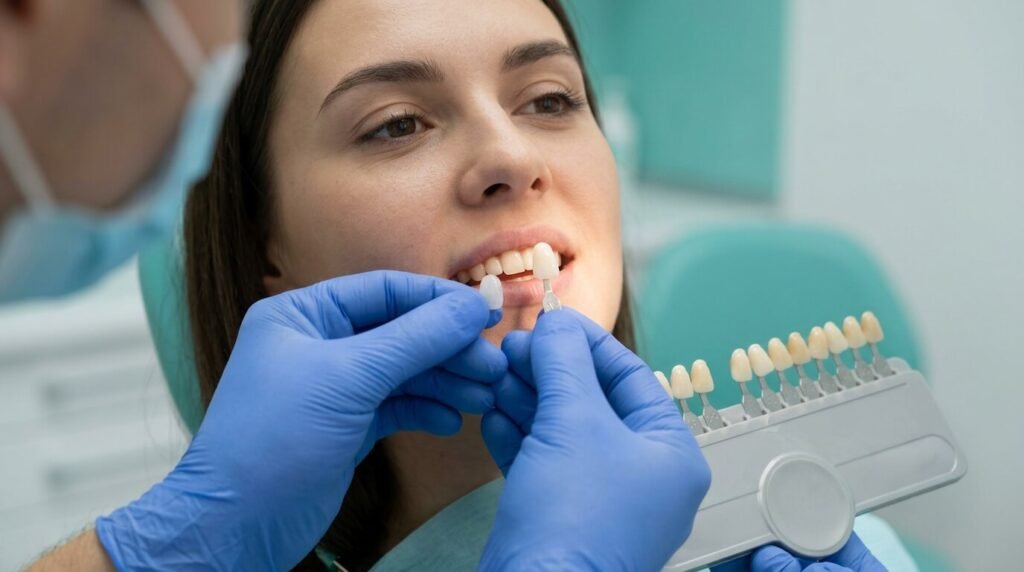
Once completed, the dentist checks the fit, color, and shape before permanently bonding the porcelain veneers using strong dental adhesive.
A curing light hardens the bonding material, securing the veneers in place.
Benefits of Porcelain Veneers
Choosing porcelain veneers offers numerous cosmetic and functional advantages.
Exceptional Aesthetics
They closely mimic the translucency and shine of natural teeth.
Durable Material
Porcelain is extremely strong and withstands everyday chewing when properly maintained.
Conservative Treatment
Only minimal enamel removal is necessary compared to dental crowns.
Quick Smile Makeover
Many patients complete treatment within two or three dental visits.
Customized Results
Each veneer matches your unique smile, facial structure, and bite.
Minimal Maintenance
Routine brushing, flossing, and regular dental checkups keep porcelain veneers looking beautiful.
Are Porcelain Veneers Permanent?
Yes. Because dentists remove a small amount of enamel during preparation, the process cannot be reversed.
Although porcelain veneers eventually require replacement after years of use, they represent a long-term cosmetic investment rather than a temporary solution.
Who Is a Good Candidate for Porcelain Veneers?
You may qualify for porcelain veneers if you have:
- Healthy teeth and gums
- Good oral hygiene habits
- Cosmetic concerns rather than major dental disease
- Sufficient enamel for bonding
- Realistic expectations about treatment outcomes
Your dentist may recommend treating gum disease or tooth decay before placing veneers.
Who Should Avoid Porcelain Veneers?
Porcelain veneers may not be suitable for individuals with:
- Severe tooth decay
- Active gum disease
- Heavy teeth grinding without protection
- Significant enamel loss
- Major bite problems
- Large untreated cavities
Alternative treatments may provide better long-term results in these situations.
Porcelain Veneers vs Composite Veneers
Both treatments improve smiles, but they differ significantly.
| Feature | Porcelain Veneers | Composite Veneers |
| Appearance | Highly natural | Good |
| Durability | 10–15+ years | 4–8 years |
| Stain Resistance | Excellent | Moderate |
| Cost | Higher | Lower |
| Procedure | Multiple visits | Often one visit |
| Strength | Superior | Less durable |
Many cosmetic dentists recommend porcelain veneers for patients seeking the most natural and long-lasting smile enhancement.
Caring for Porcelain Veneers
Proper maintenance extends the lifespan of your porcelain veneers.
Brush Twice Daily
Use a soft-bristled toothbrush and non-abrasive toothpaste.
Floss Every Day
Flossing keeps your gums healthy and prevents decay around veneer edges.
Avoid Hard Objects
Do not use your teeth to open packages or bite ice.
Wear a Night Guard
If you grind your teeth during sleep, a custom night guard protects your porcelain veneers.
Visit Your Dentist Regularly
Professional cleanings and routine examinations help maintain both your veneers and natural teeth.
How Much Do Porcelain Veneers Cost?
The cost of porcelain veneers depends on several factors, including:
- Dentist’s experience
- Geographic location
- Number of veneers required
- Laboratory quality
- Complexity of treatment
While porcelain veneers cost more than composite alternatives, many patients consider the long-lasting results and natural appearance worth the investment.
Potential Risks
Although highly successful, porcelain veneers carry some considerations.
Possible drawbacks include:
- Permanent enamel removal
- Temporary sensitivity after preparation
- Possible replacement after many years
- Higher initial cost
- Risk of damage from excessive force
Working with an experienced cosmetic dentist significantly reduces these risks.
Frequently Asked Questions
Do porcelain veneers look natural?
Yes. High-quality porcelain veneers closely resemble natural enamel in color, texture, and light reflection.
Can porcelain veneers stain?
Porcelain resists stains much better than natural teeth, helping maintain a bright smile for years.
Are porcelain veneers painful?
Most patients experience little discomfort. Dentists often use local anesthesia during tooth preparation when necessary.
How long do porcelain veneers last?
With excellent oral hygiene and regular dental visits, porcelain veneers commonly last 10 to 15 years or longer.
Can I eat normally after getting porcelain veneers?
Yes. Once bonded, porcelain veneers function much like natural teeth, although avoiding extremely hard foods helps protect them.
Final Thoughts
Porcelain veneers remain one of the most effective cosmetic dentistry treatments available today. They deliver dramatic smile improvements while maintaining a natural appearance, impressive durability, and excellent stain resistance. Whether you’re correcting discoloration, repairing chipped teeth, or creating a complete smile makeover, porcelain veneers offer a reliable and confidence-boosting solution.
Before beginning treatment, schedule a consultation with a qualified cosmetic dentist who can evaluate your oral health, discuss your goals, and create a personalized treatment plan. With proper care, porcelain veneers can provide a radiant, healthy-looking smile that lasts for many years.