
Introduction
Modern households produce a large amount of waste every day. From plastic packaging and food scraps to disposable products, much of this waste ends up in landfills or pollutes oceans and natural environments. Many people want to reduce their environmental impact but are unsure where to start or how to change their daily habits. The good news is that small changes in everyday routines can make a big difference. Adopting a zero waste lifestyle offers a practical solution by encouraging people to reduce, reuse, and recycle resources more effectively while minimizing the waste they produce.
What Is Zero Waste Lifestyle
Many people ask What is zero waste lifestyle and how it works in daily life.
A zero waste lifestyle is a way of living that aims to reduce the amount of waste sent to landfills and incinerators. The goal is to use resources responsibly and prevent unnecessary waste from being created.
The concept is based on the idea that most waste is the result of inefficient systems and consumer habits. By making smarter choices about purchasing, using, and disposing of products, individuals can significantly reduce the waste they generate.
The philosophy of a zero waste lifestyle focuses on five key principles often called the 5Rs:
- Refuse unnecessary items
- Reduce consumption
- Reuse products whenever possible
- Recycle materials properly
- Rot (compost organic waste)
By following these principles, households can move toward a more sustainable way of living.
Why Household Waste Is a Growing Problem
Before learning how to reduce waste, it is important to understand why it has become a major global issue.
Increasing Consumer Consumption
Modern lifestyles encourage frequent purchasing of packaged goods, disposable products, and fast fashion. Many items are used only once and then discarded.
Plastic Pollution
Plastic is one of the most common forms of household waste. Because plastic takes hundreds of years to break down, it accumulates in landfills and natural environments.
Food Waste
Large amounts of food are thrown away every year. Food waste not only wastes money but also contributes to greenhouse gas emissions when it decomposes in landfills.
These challenges have increased interest in sustainable living practices such as a zero waste lifestyle.
Benefits of Zero Waste Lifestyle
Understanding the Benefits of zero waste lifestyle can motivate individuals to adopt more sustainable habits.
Environmental Protection
Reducing waste decreases pollution in oceans, rivers, and landfills. It also reduces the demand for raw materials used in manufacturing products.
Saving Money
Many zero waste practices encourage people to buy fewer disposable products and focus on reusable alternatives. Over time, this can lead to significant savings.
Healthier Living
Using fewer chemical-based and disposable products can contribute to a healthier home environment.
Supporting Sustainable Communities
A zero waste lifestyle encourages support for local businesses, sustainable products, and responsible production practices.
How to Start Zero Waste Lifestyle
For beginners, learning How to start zero waste lifestyle may seem overwhelming. However, the transition can be gradual and manageable.
Start With Awareness
The first step is to observe the types of waste your household produces. Common examples include plastic packaging, food scraps, paper waste, and disposable items.
By identifying these sources, it becomes easier to find ways to reduce them.
Replace Disposable Items
Switching from disposable products to reusable alternatives is one of the easiest changes.
Examples include:
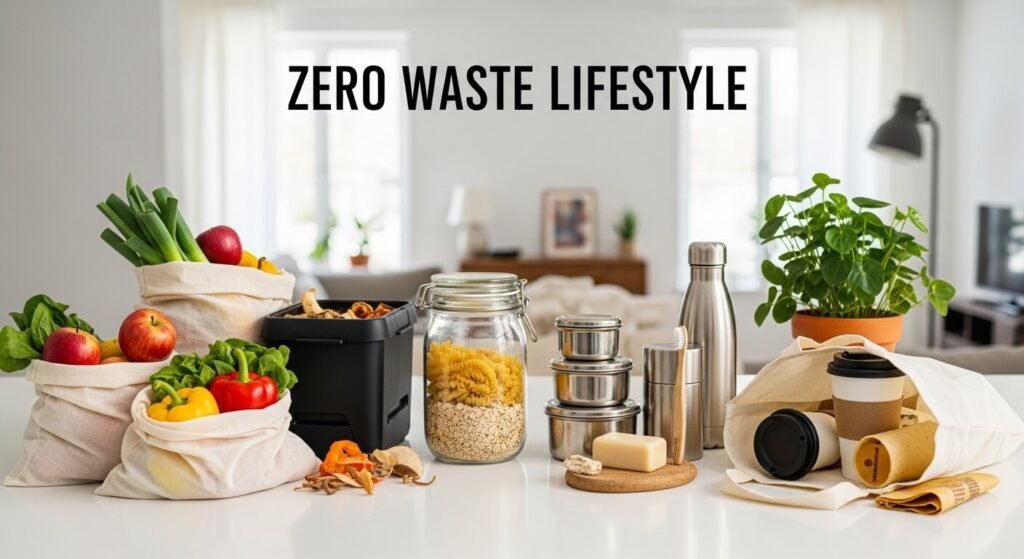
- Reusable shopping bags
- Stainless steel water bottles
- Reusable food containers
- Cloth napkins instead of paper towels
Buy Only What You Need
Mindful consumption is an important principle of a zero waste lifestyle. Before purchasing something new, consider whether it is truly necessary.
Buying fewer items helps reduce both waste and unnecessary spending.
Choose Products With Less Packaging
Selecting products with minimal or recyclable packaging can significantly reduce household waste.
Many stores now offer bulk purchasing options where customers can bring their own containers.
Zero Waste Living Tips for Daily Life
Practical Zero waste living tips can help households reduce waste in everyday activities.
Reduce Kitchen Waste
The kitchen is often the largest source of household waste. Some simple steps include:
- Meal planning to avoid food waste
- Composting fruit and vegetable scraps
- Using reusable storage containers
Switch to Reusable Cleaning Supplies
Instead of disposable cleaning wipes and paper towels, use washable cloths and natural cleaning solutions.
These alternatives reduce waste and often cost less over time.
Choose Sustainable Personal Care Products
Many personal care products come in plastic packaging. Consider switching to alternatives such as:
- Bar soap instead of liquid soap
- Bamboo toothbrushes
- Refillable containers for beauty products
Repair Instead of Replace
A key principle of a zero waste lifestyle is extending the life of products.
Repairing clothes, electronics, or furniture reduces waste and saves money.
Zero Waste Habits for the Home
Adopting sustainable habits at home can significantly reduce household waste.
Create a Recycling System
Organizing recycling bins for different materials helps ensure that recyclable items are properly processed.
Compost Organic Waste
Food scraps and organic materials can be composted to create nutrient-rich soil for gardens.
Composting reduces landfill waste and supports sustainable gardening.
Borrow or Share Items
Instead of purchasing rarely used items, consider borrowing or sharing them with friends or neighbors.
This approach reduces unnecessary consumption and waste.
Common Challenges in Adopting Zero Waste
While many people are interested in sustainable living, there are some common challenges.
Limited Availability of Sustainable Products
In some areas, eco-friendly products may be harder to find or more expensive.
Habit Changes
Switching to a zero waste lifestyle requires changing daily habits, which can take time and effort.
Social and Cultural Factors
Some zero waste practices may be unfamiliar or inconvenient for certain lifestyles.
However, even small changes can contribute to meaningful environmental benefits.
The Future of Sustainable Living
The global movement toward sustainability continues to grow as more people become aware of environmental challenges.
Governments, businesses, and communities are increasingly supporting waste reduction initiatives such as:
- Plastic reduction programs
- Recycling improvements
- Sustainable product design
- Circular economy models
Individuals who adopt sustainable habits today help drive demand for more responsible production and consumption.
Conclusion
The growing problem of household waste highlights the need for more sustainable living practices. A zero waste lifestyle provides a practical approach for reducing waste and protecting the environment.
By understanding the principles behind waste reduction and applying simple daily habits, individuals can significantly decrease the amount of waste their households produce.
Practices such as reducing unnecessary purchases, choosing reusable products, composting organic waste, and supporting sustainable businesses all contribute to a cleaner and healthier planet.
While achieving completely zero waste may not always be possible, every small step toward reducing waste makes a meaningful difference. Adopting a zero waste lifestyle is not only beneficial for the environment but also encourages mindful consumption and a more sustainable future for everyone.
Red More: aspertaan