
Introduction
Today, many people dream about experiencing a vibrant city lifestyle, but living in a city can also be challenging. Urban areas are often busy, crowded, and expensive, which makes daily life stressful for many residents. People struggle with traffic, noise, and the fast pace of urban environments. However, there is also a powerful solution: understanding how to adapt to modern city living by using the advantages cities offer, such as better job opportunities, advanced infrastructure, and cultural diversity. When people learn how to manage their time, lifestyle, and environment, life in the city can become exciting, productive, and full of opportunities.
What Is City Lifestyle?
The term city lifestyle refers to the way people live in urban areas where population density, infrastructure, and services are more developed compared to rural regions. Cities offer access to transportation, entertainment, healthcare, education, and employment opportunities in one place.
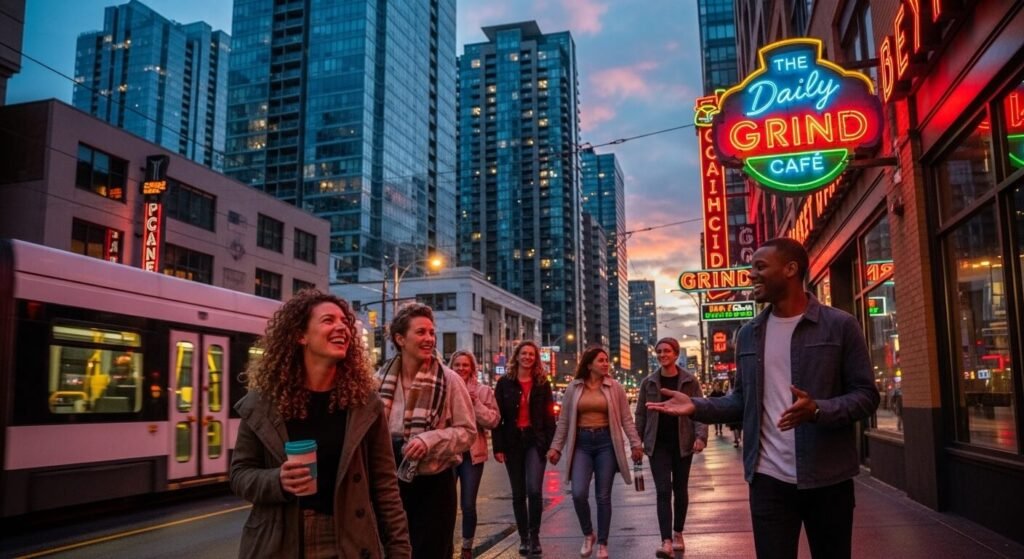
Urban living also shapes how people work, socialize, and spend their free time. Research shows that city environments encourage active and socially connected lifestyles because people interact more frequently in public spaces such as streets, restaurants, and cultural venues.
This environment creates a unique urban lifestyle that is often described as dynamic, diverse, and fast-paced.
The Rise of Urban Living Around the World
Urbanization has become one of the biggest global trends in the modern world. Over the past century, millions of people have moved from rural areas to cities in search of better opportunities.
Cities have become centers of economic development, education, and innovation. Experts explain that urbanization is closely linked with economic growth and social development, although it also brings new challenges such as inequality and health concerns.
As more people move into metropolitan areas, the importance of managing urban living lifestyle effectively becomes even greater.
Key Characteristics of Modern City Living
Understanding modern city living requires looking at the unique characteristics that define urban environments.
Fast-Paced Environment
Cities operate at a rapid pace. Work schedules, transportation systems, and social activities move quickly, which requires residents to adapt to a more organized lifestyle.
Cultural Diversity
Urban areas bring together people from different cultures, backgrounds, and professions. This diversity creates vibrant communities with unique traditions, foods, and lifestyles.
Access to Infrastructure
Cities usually provide better infrastructure such as transportation networks, hospitals, educational institutions, and communication systems.
Social Connectivity
Public places such as parks, cafes, and shopping centers encourage social interaction and community engagement.
These elements shape the everyday experience of life in the city.
Advantages of City Lifestyle
Living in a city offers many benefits that attract millions of people every year.
More Career Opportunities
Cities are economic centers that offer employment opportunities across many industries. Businesses, startups, and large companies are usually located in urban areas, which increases job availability.
Easy Access to Services
Urban residents enjoy quick access to healthcare, education, transportation, shopping centers, and entertainment venues.
Better Public Transportation
Many cities offer buses, trains, and metro systems that make commuting easier and reduce the need for personal vehicles.
Cultural and Social Activities
Cities host concerts, festivals, museums, restaurants, and theaters, which provide endless entertainment options.
Because of these advantages, many people prefer the excitement and opportunities associated with a city lifestyle.
Challenges of Urban Lifestyle
Although cities offer many benefits, they also come with several challenges.
High Cost of Living
One of the biggest disadvantages of city life is the expensive cost of housing, food, and transportation.
Traffic and Congestion
Large populations often create heavy traffic and crowded public transportation systems.
Noise and Pollution
Cities produce higher levels of noise, air pollution, and environmental stress compared to rural areas.
Limited Living Space
Apartments in urban areas are usually smaller because of high demand and limited land availability.
These challenges make it important for people to manage their urban lifestyle carefully
Social and Cultural Impact of Urban Living
Cities influence the way people interact and build communities.
Urban environments often encourage tolerance and diversity because individuals from different cultures live and work together. Public spaces such as restaurants, markets, and entertainment venues create opportunities for social interaction and cultural exchange.
However, urban life can also create feelings of isolation because people may not always know their neighbors well. Finding a balance between social engagement and personal space is an important part of urban living lifestyle.
Health and Well-Being in City Life
Health is an important factor when discussing life in the city. Urban environments can provide excellent healthcare facilities, but they may also create health challenges.
Experts note that rapid urbanization can contribute to public health problems if infrastructure and social support systems are not properly developed.
Common health challenges associated with city life include:
- Stress from busy work schedules
- Air pollution
- Reduced physical activity
- Mental health pressure
To maintain a healthy lifestyle, urban residents often focus on exercise, balanced diets, and relaxation activities.
For more helpful guides, visit: New York Lifestyles: What It’s Really Like Living in the City That Never Sleeps
Smart Cities and the Future of Urban Living
Technology is transforming the way cities operate. Modern cities are increasingly adopting smart technologies to improve transportation, infrastructure, and sustainability.
Examples include:
- Smart traffic systems
- Digital public services
- Eco-friendly transportation
- Energy-efficient buildings
Urban planners are also exploring concepts such as walkable neighborhoods where residents can access most daily services within a short distance. This approach improves health, reduces pollution, and enhances overall quality of life.
These innovations will shape the future of modern city living.
Tips for Enjoying a Balanced City Lifestyle
Living successfully in a city requires planning and smart lifestyle choices.
Manage Your Time
Because city life is fast-paced, good time management helps reduce stress and improve productivity.
Explore Your Environment
Cities offer many parks, cultural sites, and recreational spaces. Exploring these places can improve mental well-being.
Build Social Connections
Strong relationships with friends, coworkers, and neighbors help create a supportive community.
Focus on Health
Regular exercise, healthy eating, and relaxation activities are essential for maintaining balance in an urban environment.
These strategies help people enjoy the excitement of urban lifestyle while avoiding common challenges.
Why People Still Choose Life in the City
Despite its challenges, millions of people continue to choose urban living because of the opportunities it offers.
Cities provide access to education, career growth, cultural diversity, and modern infrastructure. They also serve as centers for innovation and creativity, where new ideas and technologies are developed.
For many individuals, the energy and excitement of a city lifestyle outweigh the difficulties associated with urban living.
Conclusion
The modern city lifestyle represents both opportunity and challenge. Cities offer career growth, cultural diversity, advanced infrastructure, and exciting social experiences. At the same time, urban environments bring challenges such as high costs, congestion, and environmental stress. Understanding how to adapt to these conditions is essential for enjoying modern city living. By managing time effectively, building strong social connections, and maintaining healthy habits, people can experience the best aspects of life in the city. As urban populations continue to grow, creating balanced and sustainable urban communities will become increasingly important for the future of global society.
Frequently Asked Questions (FAQs)
1. What is city lifestyle?
City lifestyle refers to the way people live in urban areas where modern infrastructure, transportation, jobs, and entertainment opportunities are easily available. It usually includes a fast-paced routine, diverse culture, and access to many services.
2. What are the benefits of living in a city?
Living in a city offers several advantages such as better job opportunities, access to education, modern healthcare, entertainment options, and improved public transportation. These factors make modern city living attractive for many people.
3. What are the challenges of urban lifestyle?
Some common challenges of an urban lifestyle include high living costs, traffic congestion, noise, pollution, and limited living space. Managing these challenges requires proper planning and lifestyle balance.
4. How does life in the city affect daily routines?
Life in the city often involves busy schedules, faster transportation systems, and more social interactions. People usually adapt by improving time management and maintaining a balanced routine.
5. Why do people prefer modern city living?
Many people prefer modern city living because cities offer career growth, education opportunities, cultural diversity, and better infrastructure compared to rural areas.
6. How can someone enjoy urban living lifestyle?
To enjoy an urban living lifestyle, people should maintain work-life balance, stay physically active, build strong social connections, and explore cultural and recreational opportunities in their city.
7. Is city lifestyle suitable for everyone?
While city lifestyle offers many opportunities, it may not suit everyone. Some people prefer quieter environments and slower routines found in rural or suburban areas.
8. How will city lifestyle change in the future?
Future city lifestyle trends will likely include smart technology, eco-friendly transportation, green spaces, and improved urban planning to make cities more sustainable and comfortable for residents.