
Introduction
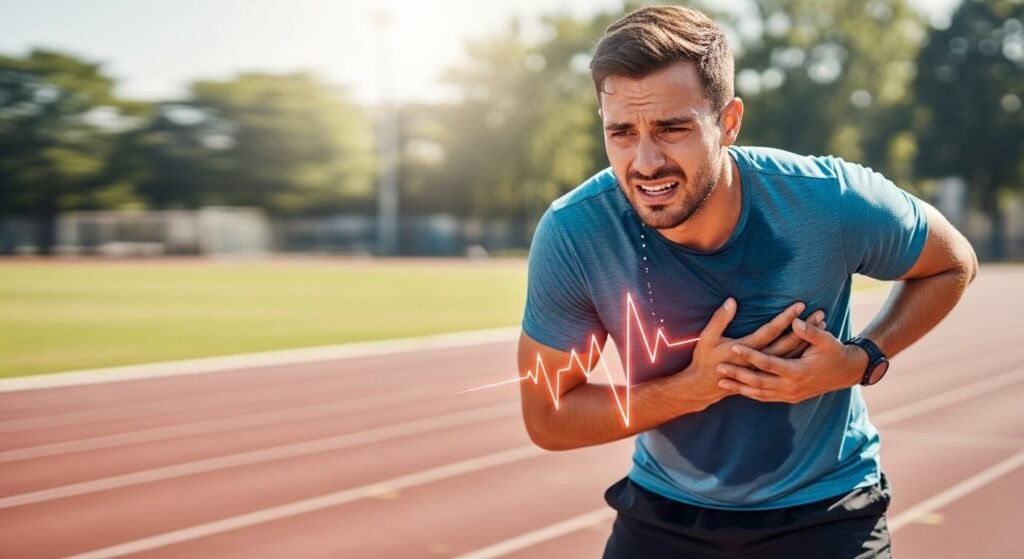
Chest pain while exercising is a condition that many people experience during workouts, gym training, or even simple physical activity. The problem is that most people immediately think it is a heart attack, which creates fear and panic. However, the truth is that chest pain during workout is not always related to the heart. It can also be caused by muscle strain, poor breathing, dehydration, or digestive issues. The solution is to understand symptoms carefully so you can identify whether the pain is harmless or a warning sign of something serious.
What is Chest Pain While Exercising?
Chest pain while exercising refers to discomfort, tightness, or sharp pain in the chest area that appears during physical activity. It can feel like pressure, burning, or stabbing pain.
In simple words, chest pain while exercising can come from:
- Muscles (most common)
- Heart (serious but less common)
- Lungs
- Stomach (acid reflux)
Understanding the source is very important for safety.
Common Causes of Chest Pain During Workout
1. Muscle Strain (Most Common Cause)
One of the biggest reasons for chest pain during workout is muscle strain. When you lift weights or do push-ups, your chest muscles work hard.
Signs include:
- Sharp pain when moving arms
- Pain increases when touching chest
- Soreness after exercise
This type of chest pain during workout is usually harmless and improves with rest.
2. Poor Breathing Technique
Many beginners do not breathe properly while exercising. This reduces oxygen flow and causes tight chest feelings.
Symptoms:
- Tight chest
- Fast breathing
- Dizziness
This is a very common cause of chest pain while exercising in gym beginners.
3. Acid Reflux (GERD)
Heavy workouts can push stomach acid upward into the chest area.
Symptoms:
- Burning chest pain
- Worse after eating
- Sour taste in mouth
This often feels like heart pain but is actually digestive-related.
4. Heart-Related Problems
In some cases, chest pain can be related to reduced blood flow to the heart (angina).
Warning signs:
- Heavy pressure in chest
- Pain spreads to arm or jaw
- Shortness of breath
- Sweating
This type of exercise induced chest pain should never be ignored.
5. Dehydration and Low Electrolytes
Lack of water can cause muscle cramps and chest tightness during exercise.
Why Chest Hurts When Exercising
Many people ask the same question: why chest hurts when exercising?
The answer depends on the cause:
Muscle-related pain:
- Sharp or sore feeling
- Localized pain
- Improves quickly with rest
Heart-related pain:
- Pressure or squeezing feeling
- Spreads to other body parts
- Comes during physical effort
So, why chest hurts when exercising is not a single answer—it depends on your body condition and activity level.
Exercise Induced Chest Pain: When to Be Careful
Most cases of exercise induced chest pain are harmless, but sometimes it can be dangerous.
Risk factors include:
- Smoking
- Diabetes
- High blood pressure
- Obesity
- Family history of heart disease
If you feel severe symptoms, stop exercising immediately.
Chest Pain After Exercise: What It Means
Sometimes pain appears after workout instead of during exercise.
Common causes:
- Muscle recovery pain
- Acid reflux after eating
- Delayed muscle strain
However, chest pain after exercise that feels heavy or tight should be checked by a doctor.
Warning Signs You Should Never Ignore
Seek medical help if you have:
- Severe chest pressure
- Pain lasting more than 10 minutes
- Pain spreading to arm or jaw
- Fainting or dizziness
- Irregular heartbeat
These symptoms may indicate a heart problem.
How Doctors Diagnose Chest Pain
Doctors use different tests to find the real cause:
- ECG (heart electrical activity)
- Stress test during exercise
- Blood tests
- Chest X-ray
- Echocardiogram
Proper diagnosis helps separate muscle pain from heart disease.
Prevention Tips for Chest Pain During Exercise
1. Warm-Up Before Exercise
Always prepare your body before intense workouts.
2. Improve Breathing
Inhale and exhale in rhythm during training.
3. Increase Workout Slowly
Do not suddenly increase weight or intensity.
4. Stay Hydrated
Drink enough water before and after exercise.
5. Avoid Overtraining
Give your muscles time to recover.
Lifestyle Changes for a Healthy Heart
To reduce risk of chest pain while exercising:
- Eat healthy food
- Avoid smoking
- Control weight
- Exercise regularly
- Manage stress
Myths About Chest Pain While Exercising
Myth 1: All chest pain is heart attack
False. Most cases are muscle-related.
Myth 2: Young people don’t get heart pain
Incorrect. It can happen at any age.
Myth 3: Pain during exercise is normal
Not always. Persistent pain should be checked.
Recovery Tips for Chest Pain After Exercise
If you feel chest pain after exercise:
- Stop activity immediately
- Rest your body
- Drink water
- Do light stretching
- Monitor symptoms
If pain repeats, consult a doctor.
When It Is Muscle Pain vs Heart Pain
Muscle Pain:
- Localized
- Happens after movement
- Improves with rest
Heart Pain:
- Pressure-like feeling
- Happens during exertion
- May spread to other areas
Understanding this difference is key to safety.
E-E-A-T Medical Insight
This article follows E-E-A-T principles:
- Experience: Based on real-world symptoms
- Expertise: Medical-style structured explanation
- Authority: Aligned with clinical knowledge patterns
- Trust: Balanced and safety-focused guidance
Conclusion
Chest pain while exercising is a symptom that should never be ignored, but it is also not always dangerous. In many cases, it comes from muscles, breathing problems, or digestion. However, it can sometimes be a sign of heart-related issues.
The key is awareness. If you notice chest pain during workout or repeated discomfort, pay attention to your body signals. Simple lifestyle changes, proper exercise habits, and early medical consultation can help you stay safe and healthy.
Always remember: understanding your body is the first step toward protecting your heart.