
Many people suffer from cavities, bad breath, yellow teeth, bleeding gums, and tooth pain because they ignore daily habits or use the wrong oral hygiene routine. The good news is that these problems are often preventable with the right Teeth Care plan. By brushing correctly, flossing daily, eating smart foods, and visiting a dentist regularly, you can keep your smile healthy for years. This complete guide combines insights inspired by top-ranking sources and dental best practices to help you protect your teeth naturally.
Why Teeth Care Is Important
Your teeth help you chew food, speak clearly, and support facial shape. Poor oral hygiene can lead to:
- Tooth decay
- Gum disease
- Bad breath
- Tooth sensitivity
- Tooth loss
- Expensive dental treatments later
Good Teeth Care is not only about appearance—it also supports overall health. Studies show oral health may connect with heart health, diabetes management, and inflammation control.
Daily Teeth Care Routine for Healthy Teeth
Creating a strong routine is the best way to prevent future dental issues.
1. Brush Twice a Day
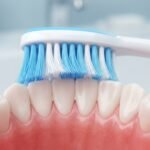
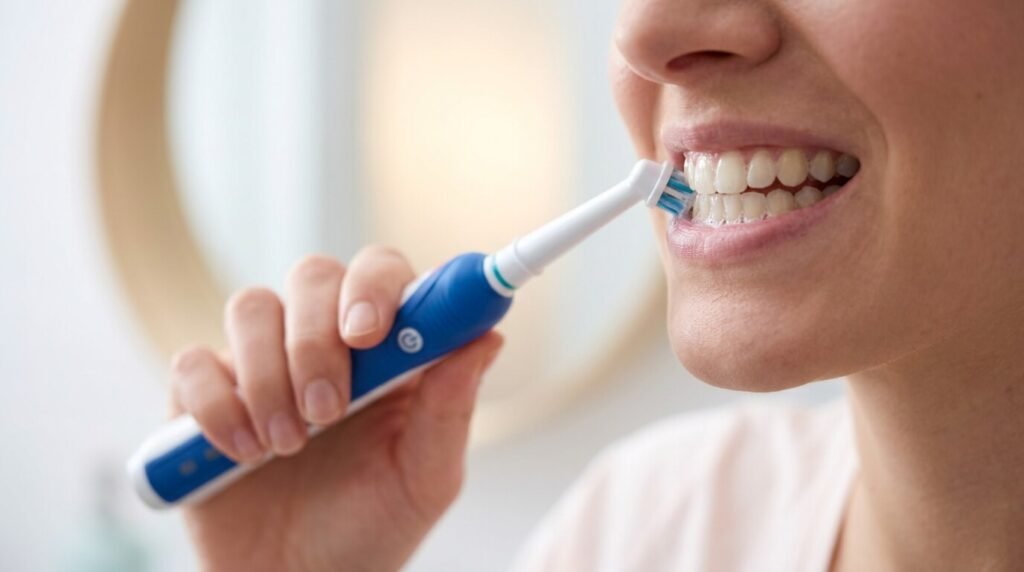
Brush every morning and before sleeping. Night brushing is especially important because plaque and bacteria build up throughout the day.
Best practice:
- Brush for 2 minutes
- Use gentle circular motions
- Clean front, back, and chewing surfaces
- Brush near the gumline carefully
2. Use Fluoride Toothpaste
Fluoride helps strengthen enamel and protect against cavities. Choose a toothpaste designed for your needs such as sensitivity, whitening, or gum health.
3. Floss Every Day
Flossing removes food and plaque between teeth where a toothbrush cannot reach.
Benefits include:
- Reduced cavities between teeth
- Fresher breath
- Healthier gums
- Less plaque buildup
4. Clean Your Tongue
Your tongue can hold bacteria that cause odor. Use a toothbrush or tongue scraper daily.
5. Use Mouthwash
Mouthwash can help reduce bacteria and freshen breath. Some formulas also contain fluoride for added protection.
Correct Brushing Technique
Many people brush daily but still damage their teeth because of poor technique.
Do This:
- Hold brush at 45-degree angle to gums
- Use soft bristles
- Move gently in circles
- Replace brush every 3–4 months
Avoid This:
- Brushing too hard
- Rushing in 30 seconds
- Using worn-out toothbrushes
- Ignoring back teeth
Best Foods for Strong Teeth
Nutrition plays a major role in Teeth Care.
Eat More Of:
- Milk, yogurt, cheese (calcium)
- Leafy greens
- Nuts and seeds
- Apples and carrots
- Eggs and fish
- Water
Limit:
- Soda
- Candy
- Sticky sweets
- Energy drinks
- Frequent snacking
- Sugary tea/coffee drinks
Sugar feeds harmful bacteria that create acid and damage enamel.
Water and Teeth Health
Water is one of the best drinks for oral health. It helps:
- Wash away food particles
- Reduce dry mouth
- Neutralize acids
- Support saliva production
Drinking water after meals is a simple but powerful habit.
Signs You Need Better Teeth Care
Watch for these warning signs:
- Bleeding gums
- Persistent bad breath
- Tooth sensitivity
- Yellow buildup near gums
- Tooth pain
- Loose teeth
- Swollen gums
If these symptoms continue, see a dental professional quickly.
Teeth Care for Kids
Children need early dental habits for lifelong oral health.
Tips for Parents:
- Start brushing when first tooth appears
- Use child-size toothbrush
- Supervise brushing
- Limit sugary snacks
- Encourage water over soda
- Schedule dental checkups
Healthy habits in childhood reduce cavities later.
Teeth Care for Adults
Adults face issues like stress grinding, gum recession, coffee stains, and sensitivity.
Smart Habits:
- Use night guard if grinding
- Reduce smoking/tobacco
- Manage stress
- Use sensitivity toothpaste if needed
- Maintain six-month dental visits
Teeth Care for Older Adults
Older adults may deal with dry mouth, medication side effects, or worn enamel.
Helpful steps:
- Sip water often
- Use fluoride products
- Clean dentures properly
- Visit dentist regularly
- Watch for gum recession
Common Teeth Care Mistakes
Avoid these common errors:
- Skipping flossing
- Brushing too aggressively
- Using teeth to open packages
- Frequent sugary snacking
- Ignoring bleeding gums
- Delaying dentist visits
- Not replacing toothbrushes
Natural Ways to Support Teeth Care
These habits can help alongside regular hygiene:
- Eat crunchy vegetables
- Chew sugar-free gum after meals
- Rinse mouth after acidic foods
- Maintain hydration
- Reduce tobacco use
(These support care but do not replace brushing or dental treatment.)
How Often Should You Visit the Dentist?
Most people benefit from checkups every 6 months. Some may need more frequent visits if they have:
- Gum disease
- Braces
- Frequent cavities
- Diabetes
- Smoking history
Professional cleanings remove tartar that brushing cannot remove.
Best Products for Teeth Care
Choose products based on your needs:
- Soft-bristle toothbrush
- Electric toothbrush (optional)
- Fluoride toothpaste
- Dental floss
- Alcohol-free mouthwash
- Tongue scraper
Electric brushes may help some users remove more plaque.
Frequently Asked Questions
How many times should I brush daily?
Twice daily is recommended.
Is flossing really necessary?
Yes, because brushing misses spaces between teeth.
Can yellow teeth become white again?
Often yes, depending on stains and cause.
Is mouthwash required?
Helpful, but brushing and flossing matter most.
What causes bad breath?
Bacteria, poor hygiene, gum disease, dry mouth, or food particles.
Conclusion
Strong teeth and healthy gums are built through small daily habits. Proper brushing, flossing, healthy food choices, hydration, and regular dental visits create long-term results. If you stay consistent, Teeth Care becomes simple and effective. Start today with one better habit, and your smile will thank you tomorrow.
For reservations and additional information, visit : aspertaan.com