
Families often struggle to maintain healthy teeth because every age group has different needs. Children may resist brushing, adults often skip dental visits, and seniors can face sensitivity or dry mouth. The solution is a simple family routine that adjusts care by age while keeping core habits the same: brush twice daily, floss once daily, eat smart, and schedule regular checkups. Good Dental Care at home can prevent cavities, gum disease, pain, and costly treatments later.
Why Family Dental Health Matters
Oral health affects more than teeth. Poor hygiene may lead to gum inflammation, bad breath, difficulty eating, and infections. Healthy habits built in childhood often continue into adulthood, making family routines extremely valuable. When parents model good behavior, children are more likely to follow it.
Build a Daily Family Routine
A consistent routine keeps everyone on track. Use the same morning and bedtime schedule for the household.
Morning Routine
- Brush for two minutes with fluoride toothpaste
- Clean the tongue gently
- Drink water after breakfast if brushing earlier
Night Routine
- Brush before sleeping
- Floss carefully between teeth
- Avoid sugary snacks after brushing
Night brushing is especially important because plaque builds while sleeping.
Dental Care for Babies and Toddlers
Oral hygiene starts before the first tooth appears. Wipe gums gently with a soft damp cloth after feeding. Once teeth appear, begin brushing with a baby toothbrush and a tiny smear of fluoride toothpaste.
Helpful Tips
- Avoid sending babies to sleep with sugary drinks
- Introduce water as advised by your pediatrician
- Schedule the first dental visit early
Early habits reduce cavity risk and make future brushing easier.
Dental Care for Kids
Children need guidance and supervision. Many kids brush too fast or miss back teeth.
Make Brushing Fun
- Use timers or songs for two minutes
- Let kids choose colorful toothbrushes
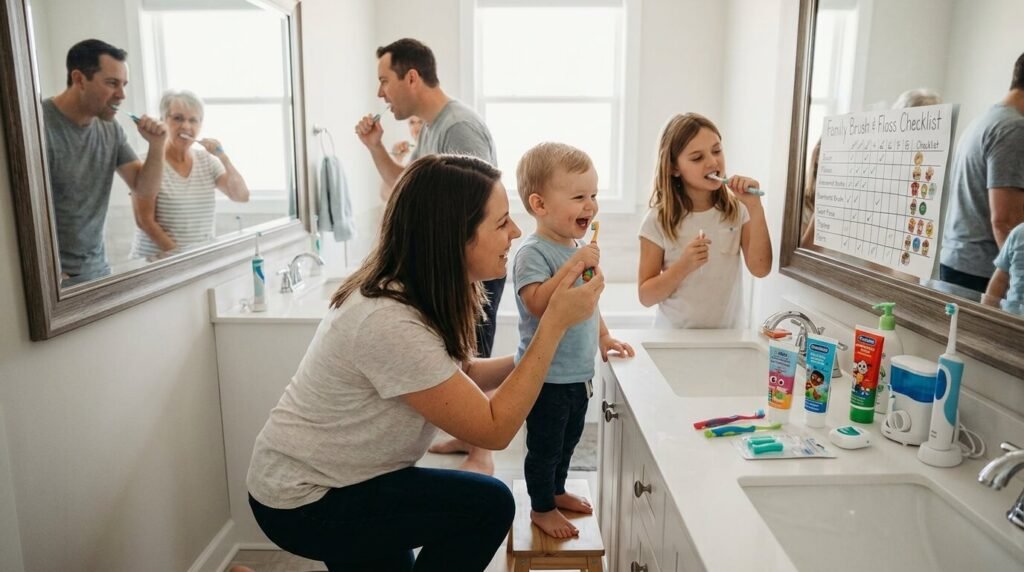
- Use reward charts for consistency
- Brush together as a family
Important Reminder
Children often need supervision until they develop proper coordination.
Dental Care for Teenagers
Teenagers may snack more often and sometimes ignore routines. Braces, aligners, or sports activities can also increase dental needs.
Best Practices
- Limit soda and energy drinks
- Brush after meals when possible
- Clean around braces carefully
- Wear a mouthguard during sports
- Replace toothbrushes regularly
Teens benefit from learning that oral health also impacts confidence and appearance.
Dental Care for Adults
Adults often balance work, parenting, and stress, so dental routines get delayed. However, gum disease can begin quietly.
Smart Adult Habits
- Keep floss near your sink or desk
- Choose water over sugary drinks
- Avoid smoking
- Do not ignore bleeding gums
- Book checkups twice a year
Preventive care saves time and money by catching issues early.
Dental Care for Seniors
Older adults may face dry mouth, gum recession, missing teeth, or dexterity issues.
Helpful Solutions
- Stay hydrated
- Ask about dry mouth products
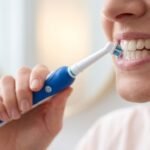
- Use electric toothbrushes if grip is weak
- Continue cleaning dentures or implants
- Report sores or sensitivity quickly
Tooth loss is not an unavoidable part of aging when regular care continues.
Best Foods for Strong Teeth
Nutrition strongly affects oral health. Some foods help protect enamel while sugary foods increase decay risk.
Good Choices
- Cheese, yogurt, milk
- Leafy greens
- Apples and crunchy vegetables
- Nuts and seeds
- Plenty of water
Limit Often
- Candy
- Sticky sweets
- Soda
- Frequent sugary snacks
- Acidic drinks in excess
The longer sugar stays on teeth, the higher the risk of cavities.
Choose the Right Dental Tools
Using proper tools makes routines easier and more effective.
Recommended Items
- Soft-bristled toothbrush
- Fluoride toothpaste
- Dental floss or floss picks
- Water flosser if needed
- Alcohol-free mouthwash when recommended
Replace toothbrushes every 3–4 months or sooner if bristles spread out.
Common Family Mistakes to Avoid
Many households make small mistakes that reduce results.
Avoid These Habits
- Brushing too hard
- Sharing toothbrushes
- Skipping flossing
- Brushing for less than two minutes
- Waiting for pain before seeing a dentist
- Constant snacking on sweets
Gentle and consistent cleaning works better than aggressive brushing.
How Often Should Families Visit the Dentist?
Most people benefit from routine checkups every six months, but some may need more frequent visits based on gum disease risk, braces, or previous cavities.
Regular appointments can help with:
- Professional cleanings
- X-rays when needed
- Early cavity detection
- Gum health monitoring
- Personalized advice for each age group
Easy Weekly Family Challenge
To make habits stick, create a weekly family goal:
- 14 brushing sessions completed
- 7 floss sessions completed
- Water instead of soda most days
- One healthy snack swap
- One family smile check-in
This keeps everyone involved and motivated.
Conclusion
Healthy smiles do not require complicated routines. Families succeed when they keep habits simple, consistent, and age-appropriate. Start early with children, guide teens, support busy adults, and adapt care for seniors. The best Dental Care plan is one the whole family can follow every day. With brushing, flossing, balanced nutrition, and regular dental visits, every age can enjoy stronger teeth and healthier gums for life.
For reservations and additional information, visit : aspertaan.com