
Introduction
Our eyes help us experience the world, yet many people take their vision for granted until problems begin. Long hours of screen time, poor nutrition, lack of sleep, and skipping regular eye exams can lead to eye strain, blurry vision, and even serious eye diseases. The good news is that most eye problems can be prevented or managed with proper eye care, healthy lifestyle habits, and regular checkups. This complete guide covers all about eyes, including how they work, common eye conditions, eye care tips, healthy foods, and ways to protect your vision for life.
What Are Eyes and Why Are They Important?
The eyes are one of the body’s most important sensory organs. They collect light and send visual information to the brain, allowing us to see colors, shapes, movement, and depth.
Healthy eyes are essential for:
- Reading and writing
- Driving safely
- Recognizing faces
- Working efficiently
- Enjoying daily activities
- Maintaining independence as you age
Without healthy vision, even simple tasks can become difficult.
How Do Eyes Work?
The human eye functions much like a camera.
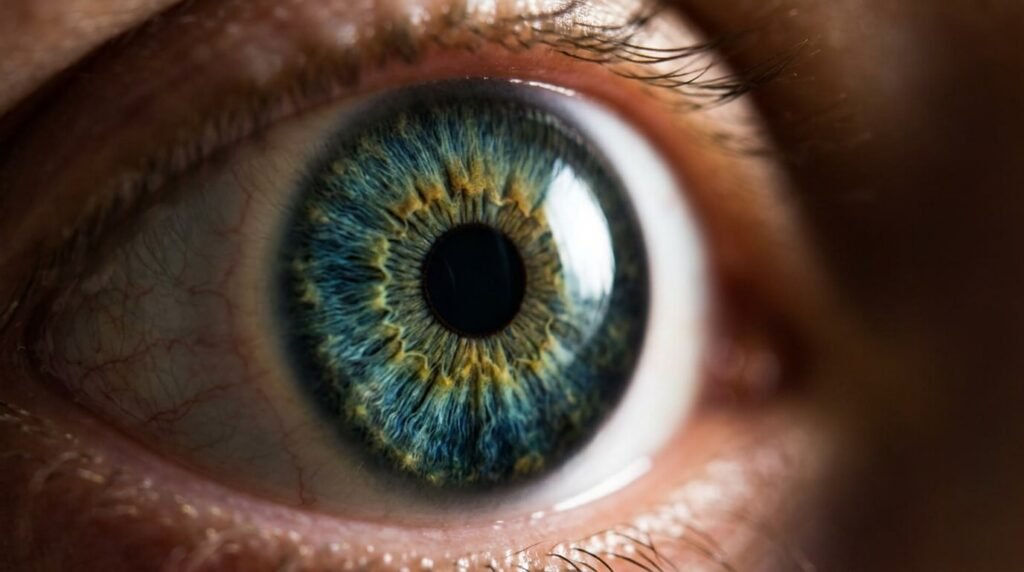
Cornea
The clear front surface of the eye that begins focusing incoming light.
Pupil
The black opening in the center of the eye that controls how much light enters.
Iris
The colored part of the eye that adjusts the size of the pupil.
Lens
The lens focuses light onto the retina for clear vision.
Retina
A thin layer at the back of the eye containing millions of light-sensitive cells.
Optic Nerve
The optic nerve sends visual signals from the retina to the brain, where images are processed.
Basic Eye Anatomy
Understanding eye anatomy helps explain why proper eye care is so important.
Cornea
Protects the eye while bending light toward the retina.
Sclera
The white outer layer that gives the eye its shape.
Conjunctiva
A thin membrane covering the white part of the eye and inside of the eyelids.
Retina
Converts light into electrical signals.
Macula
Responsible for sharp central vision needed for reading and recognizing faces.
Vitreous Humor
A clear gel that fills the inside of the eye and helps maintain its shape.
Common Eye Problems
Many eye conditions develop slowly and may not cause symptoms at first.
Refractive Errors
These include:
- Nearsightedness (Myopia)
- Farsightedness (Hyperopia)
- Astigmatism
- Presbyopia
These conditions usually require glasses, contact lenses, or laser vision correction.
Dry Eyes
Dry eye occurs when your eyes don’t produce enough tears or when tears evaporate too quickly.
Symptoms
- Burning sensation
- Redness
- Blurry vision
- Watery eyes
- Eye fatigue
Treatment often includes artificial tears, limiting screen time, and staying hydrated.
Cataracts
A cataract is the clouding of the eye’s natural lens.
Symptoms
- Blurry vision
- Difficulty seeing at night
- Increased sensitivity to light
- Faded colors
Cataracts usually develop with age but can be treated successfully with surgery.
Glaucoma
Glaucoma damages the optic nerve, often due to increased pressure inside the eye.
It usually develops without noticeable symptoms in the early stages, making regular eye exams essential.
Untreated glaucoma can lead to permanent vision loss.
Age-Related Macular Degeneration (AMD)
AMD affects the macula and mainly impacts older adults.
Symptoms include:
- Blurred central vision
- Difficulty reading
- Trouble recognizing faces
Early detection helps slow disease progression.
Diabetic Eye Disease
People with diabetes are at increased risk of:
- Diabetic retinopathy
- Cataracts
- Glaucoma
Good blood sugar control and yearly eye exams help reduce complications.
Signs You Should Visit an Eye Doctor
Don’t ignore these warning signs:
- Sudden vision changes
- Eye pain
- Persistent redness
- Flashes of light
- Floaters
- Double vision
- Severe headaches with blurred vision
- Loss of peripheral vision
Prompt medical attention may prevent permanent damage.
Causes of Poor Eye Health
Several lifestyle and medical factors affect vision.
Common causes include:
- Excessive screen time
- Aging
- Smoking
- Diabetes
- High blood pressure
- Poor nutrition
- UV exposure
- Lack of sleep
- Eye injuries
- Family history of eye disease
Understanding these risk factors helps you make healthier choices.
Daily Habits for Healthy Eyes
Healthy vision depends on consistent daily habits.
Follow the 20-20-20 Rule
Every 20 minutes, look at something 20 feet away for 20 seconds to reduce digital eye strain.
Wear Sunglasses
Protect your eyes from harmful UV rays by wearing quality sunglasses outdoors.
Stay Hydrated
Adequate water intake helps maintain healthy tear production.
Get Enough Sleep
Proper sleep allows your eyes to recover from daily strain.
Avoid Smoking
Smoking increases the risk of cataracts, macular degeneration, and optic nerve damage.
Wash Your Hands
Clean hands reduce the risk of eye infections, especially if you wear contact lenses.