

Introduction
Over the last ten years, wellness has stopped being a side interest for a few and has become part of everyday life for millions of Americans. People across the country are making deliberate choices to support their physical, mental, and emotional health, not for a quick fix, but as lasting parts of their daily routine. Instead of jumping on every new health trend, most are building sustainable habits that actually fit into real life.
This shift has brought more attention to natural ingredients, mindful living, and holistic self-care approaches. Today’s consumers are better informed than ever. They read labels, check out ingredients, and look into wellness traditions from different cultures to find balanced lifestyle practices. Alongside modern health trends, traditional systems like Ayurveda are gaining traction among people who want a broader, more complete view of wellness.
From what they eat and how they move to how they handle stress and use herbal remedies, several wellness habits have become much more common among health-conscious Americans. These choices show how wellness priorities are changing and what truly matters to consumers now.
Prioritizing Whole Food Nutrition
One of the clearest trends among health-conscious US consumers is a strong preference for whole, minimally processed foods. More people are paying attention to what ends up on their plate, choosing foods that deliver real nutritional value while cutting back on heavily processed options.
Some of the most common nutrition-focused habits include:
- Eating more fruits and vegetables
- Choosing whole grains over refined carbohydrates
- Adding plant-based protein sources to meals
- Cutting down on added sugars and artificial ingredients
- Staying consistently hydrated through the day
Consumers are also showing more interest in how their food is produced. Things like sustainable farming, ingredient transparency, and responsible sourcing now play a big role in purchasing decisions.
This approach shows a growing understanding that everyday food choices matter a lot for overall wellness and long-term lifestyle goals.
Embracing Mindful Movement
Physical activity remains a cornerstone of a healthy lifestyle, but how many Americans see exercise has shifted. Instead of focusing only on high-intensity workouts or looks-based goals, people are increasingly picking activities they genuinely enjoy and can stick with over time.
Popular Forms of Wellness-Oriented Exercise
Many health-conscious individuals regularly do activities like:
- Walking and hiking
- Yoga and stretching
- Pilates
- Cycling
- Strength training
- Low-impact fitness classes
Moving toward enjoyable and sustainable movement often leads to better consistency. Rather than treating exercise as a chore, many now see it as a key part of supporting both physical and mental well-being.
Practices like yoga are especially appealing because they combine movement, flexibility, and mindfulness, creating a more balanced wellness experience.
Creating Daily Stress Management Rituals
As conversations about mental well-being expand, stress management has become a core part of many wellness routines. Health-conscious consumers increasingly know that handling stress is just as important as eating well and staying active.
To keep a sense of balance throughout the day, many people are building simple rituals that encourage relaxation and mindfulness.
Natural Approaches to Relaxation
Common stress-management practices include:
- Meditation and breathing exercises
- Journaling
- Taking breaks from digital devices
- Spending time outdoors
- Evening self-care rituals
- Aromatherapy
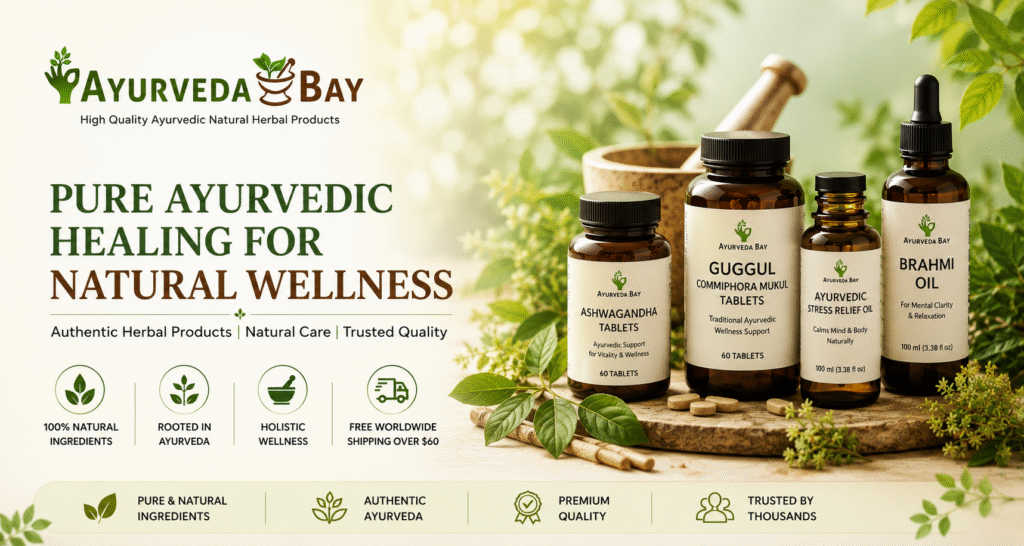
Interest in traditional wellness practices has also grown. Some people explore self-care methods inspired by Ayurveda, including use of ayurvedic stress relief oil during massage or relaxation routines. While such products are not intended to diagnose, treat, cure, or prevent medical conditions, many consumers appreciate them as part of a broader wellness lifestyle.
The popularity of these practices shows a growing awareness that wellness goes far beyond physical health alone.
Exploring Traditional Herbal Wellness Practices
Another trend picking up speed among health-conscious Americans is the rising interest in traditional herbal wellness systems. As consumers become more curious about natural ingredients, many are seeking educational information about botanicals that have been used across different cultures for generations.
Ayurveda, one of the world’s oldest holistic wellness traditions, has attracted attention from people looking to incorporate time-tested lifestyle practices into their modern routines.
Interest in Botanical Ingredients
Many plant-based ingredients with long histories of traditional use continue to generate interest within wellness communities. For example, guggul commiphora mukul has been referenced in Ayurvedic texts for centuries and remains a topic of discussion among those exploring traditional herbal wellness practices.
Today’s consumers are generally more research-driven than previous generations. Before buying wellness products, many take time to learn about ingredient sourcing, manufacturing standards, and historical uses. They often seek credible information instead of relying solely on marketing messages.
This more thoughtful approach reflects a growing desire to make informed wellness decisions.
Building Better Sleep Habits
Quality sleep has become one of the most talked-about aspects of modern wellness. Many health-conscious consumers understand that adequate rest supports daily functioning, energy levels, and overall well-being.
Because of this, improving sleep habits has become a priority for people seeking a healthier lifestyle.
Common Sleep-Friendly Practices
Popular sleep-supportive habits include:
- Following a consistent sleep schedule
- Limiting screen exposure before bedtime
- Reducing caffeine intake later in the day
- Creating a calm and comfortable sleep environment
- Practicing relaxation techniques before bed
Rather than viewing sleep as something that can be put aside, many consumers now see it as a foundational pillar of wellness. This shift has sparked greater interest in routines and products that support healthy sleep habits.
Choosing Clean and Transparent Products
Today’s wellness consumers pay close attention to product labels and ingredient lists. Whether shopping for food, personal care products, or wellness supplements, transparency has become a key factor in purchasing decisions.
Many shoppers actively look for:
- Clearly identified ingredients
- Minimal processing
- Sustainable sourcing practices
- Responsible manufacturing standards
- Independent quality verification when available
This emphasis on transparency reflects a broader push toward mindful consumer choices. People want a clearer understanding of what they’re buying and how those products align with their personal wellness values.
As a result, the clean living movement continues to shape consumer preferences across multiple wellness categories.
Practicing Preventive Wellness
Rather than waiting for problems to show up, many Americans are adopting habits that support long-term wellness and overall quality of life. This preventive mindset has become an important part of modern health culture.
Preventive wellness habits often include:
- Routine health checkups and screenings
- Balanced nutrition
- Regular physical activity
- Effective stress management
- Consistent sleep habits
- Mindfulness practices
Consumers who embrace preventive wellness often view health as an ongoing commitment rather than a short-term goal. This perspective encourages sustainable habits that can be maintained over time and adapted as lifestyle needs change.
Key Takeaways
Health-conscious US consumers are increasingly embracing habits that support long-term balance and well-being. Some of the most common wellness practices include:
- Prioritizing whole food nutrition
- Incorporating mindful movement into daily life
- Developing consistent stress-management routines
- Exploring traditional herbal wellness traditions
- Improving sleep quality
- Choosing transparent, clean-label products
- Adopting preventive wellness strategies
Together, these habits reflect a broader shift toward intentional living and informed decision-making. Instead of relying on short-lived trends, many consumers are building routines that align with their values and support lasting wellness goals.
Conclusion
The wellness habits embraced by today’s health-conscious Americans reveal a thoughtful and evolving approach to self-care. From nutrition and movement to mindfulness, sleep, and ingredient transparency, consumers are increasingly looking for practical ways to support overall well-being.
At the same time, interest in traditional wellness systems and botanical ingredients continues to grow as people seek a wider range of lifestyle practices that complement modern wellness goals. As the industry evolves, habits rooted in consistency, education, and mindful choices are likely to remain central to how consumers approach their health and well-being in the years ahead.