
Introduction
Many people notice that their toenails begin to curve inward, downward, or around the sides over time. This can cause discomfort, pain, difficulty wearing shoes, and even increase the risk of infections. The good news is that most cases of curved toenails can be managed with proper foot care, suitable footwear, and medical treatment when necessary. Understanding the causes, symptoms, and treatment options can help you maintain healthy feet and prevent complications.
Curved toenails are a common nail condition that affects people of all ages. While some cases are harmless and related to genetics, others may indicate an underlying health issue or improper nail care. In this guide, we will explore everything you need to know about curved toenails, including their causes, symptoms, treatment methods, and prevention tips.
What Are Curved Toenails?
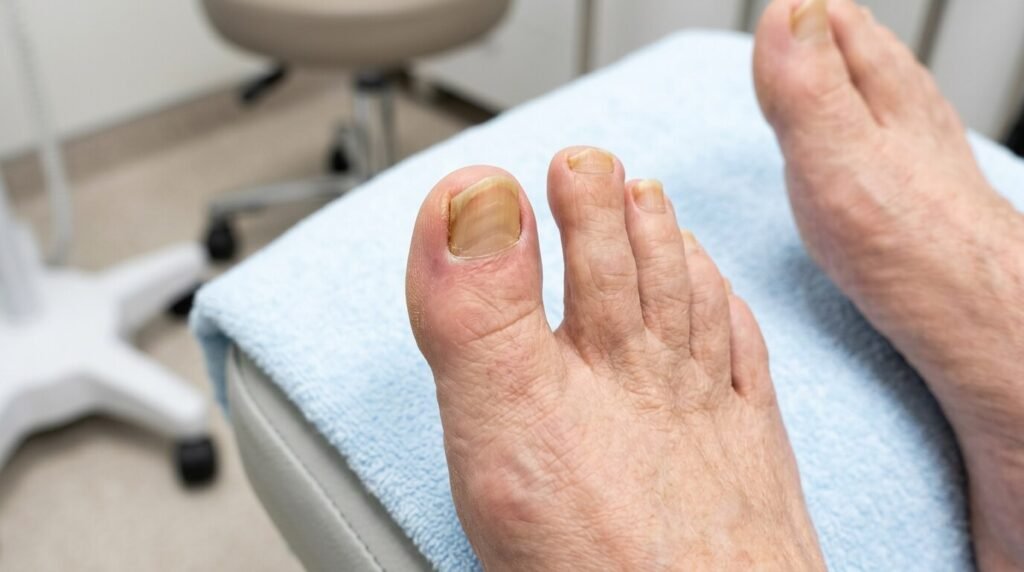
Curved toenails are nails that bend inward, downward, or around the edges instead of growing straight. The degree of curvature can vary from mild to severe. In some cases, the nail may curl so much that it presses into the surrounding skin.
Curved toenails can affect one or several toes, but they are most commonly seen in the big toe. Some people are born with naturally curved nails, while others develop the condition later in life.
Types of Curved Toenails
Understanding the type of nail curvature can help determine the best treatment approach.
Pincer Nails
Pincer nails curve inward from both sides, creating a pinching effect on the nail bed. This condition can become painful if left untreated.
Trumpet Nails
Trumpet nails are a severe form of pincer nails. The nail forms a tube-like shape and may curl tightly toward the skin.
Involuted Nails
An involuted nail curves excessively along one side or both sides. It may eventually lead to an ingrown toenail.
Ram’s Horn Nails
This condition causes nails to become thick, hard, and curved. It is more common in older adults and individuals with poor foot care.
Common Causes of Curved Toenails
Several factors can contribute to the development of curved toenails.
Genetics
Genetics is one of the most common reasons for curved toenails. If family members have naturally curved nails, you may inherit the same nail shape.
Improper Footwear
Wearing shoes that are too tight or narrow places constant pressure on the toes. Over time, this pressure can alter nail growth and lead to nail curvature.
Aging
As people age, toenails often become thicker and harder. Changes in nail structure can increase the likelihood of curved growth.
Nail Trauma
Repeated injuries to the toes can affect the nail matrix, which is responsible for nail growth. This may result in permanent changes to nail shape.
Poor Nail Trimming Habits
Cutting nails too short or rounding the edges excessively can encourage abnormal nail growth.
Fungal Nail Infections
Fungal infections can thicken and deform the nail, causing it to curve or become distorted.
Underlying Medical Conditions
Certain health conditions may contribute to nail changes, including:
- Psoriasis
- Diabetes
- Circulatory disorders
- Autoimmune diseases
- Nutritional deficiencies
Symptoms of Curved Toenails
The symptoms vary depending on the severity of the condition.
Common signs include:
- Nail edges curling inward
- Thickened nails
- Pain when walking
- Tenderness around the nail
- Redness near the nail folds
- Difficulty trimming nails
- Pressure under shoes
- Swelling around the toe
- Recurrent ingrown toenails
In severe cases, infection may develop if the curved nail breaks the skin.
Are Curved Toenails Dangerous?
Not all curved toenails are dangerous. Mild cases may only be a cosmetic concern. However, severe nail curvature can cause complications.
Possible complications include:
- Chronic pain
- Ingrown toenails
- Bacterial infections
- Difficulty walking
- Nail bed damage
- Reduced quality of life
If you experience severe pain, swelling, or signs of infection, it is important to seek medical advice.
Curved Toenails vs. Ingrown Toenails
Many people confuse curved toenails with ingrown toenails, but they are different conditions.
Curved Toenails
- The nail itself bends inward.
- May or may not cause pain.
- Often develops gradually.
Ingrown Toenails
- The nail grows directly into the surrounding skin.
- Usually causes pain and inflammation.
- Often results in redness and infection.
Curved nails can increase the risk of developing ingrown toenails.
How Curved Toenails Are Diagnosed
A healthcare provider or podiatrist can usually diagnose curved toenails through a physical examination.
The evaluation may include:
- Nail inspection
- Medical history review
- Assessment of footwear habits
- Examination for fungal infections
- Evaluation of underlying health conditions
In some cases, laboratory testing may be needed to identify fungal infections or other medical concerns.
Treatment Options for Curved Toenails
Treatment depends on the severity of the condition and its underlying cause.
Proper Nail Trimming
Correct nail trimming is one of the simplest ways to manage mild curvature.
Tips include:
- Cut nails straight across
- Avoid rounding corners
- Do not cut nails too short
- Use clean nail clippers
Wear Proper Footwear
Choose shoes with:
- Wide toe boxes
- Adequate support
- Proper fit
- Sufficient toe room
Reducing pressure on the toes can prevent worsening nail curvature.
Nail Bracing
Some podiatrists use nail braces to gradually reshape curved nails. These devices help guide the nail into a more natural growth pattern.
Treatment of Fungal Infections
If a fungal infection is causing nail deformation, treatment may include:
- Antifungal creams
- Oral medications
- Medicated nail solutions
Treating the infection can improve nail appearance over time.
Orthotic Devices
Custom orthotics may help reduce pressure on the toes and improve foot alignment.
Surgical Treatment
Severe cases may require surgical intervention.
Procedures may involve:
- Partial nail removal
- Complete nail removal
- Nail matrix correction
Surgery is generally reserved for painful or recurrent cases.
Home Remedies for Curved Toenails
While home remedies cannot cure all cases, they may provide relief.
Warm Water Soaks
Soaking feet in warm water can soften nails and reduce discomfort.
Moisturize the Nails
Keeping nails hydrated may improve flexibility and reduce brittleness.
Maintain Good Foot Hygiene
Good hygiene helps prevent infections and supports healthy nail growth.
Wear Comfortable Shoes
Switching to properly fitted footwear can significantly reduce pressure on curved nails.
Avoid Picking or Digging at Nails
Manipulating the nail can worsen the condition and increase infection risk.
How to Prevent Curved Toenails
Prevention is often easier than treatment.
Choose the Right Shoes
Always select shoes that allow enough space for your toes.
Practice Proper Nail Care
Regular nail maintenance can prevent abnormal growth patterns.
Protect Your Feet from Injury
Wear protective footwear during sports and physical activities.
Treat Foot Problems Early
Address fungal infections, ingrown nails, and foot injuries promptly.
Maintain Overall Health
Healthy nutrition and proper circulation support strong nail growth.
When Should You See a Doctor?
Medical attention is recommended if you experience:
- Severe pain
- Signs of infection
- Persistent swelling
- Bleeding around the nail
- Difficulty walking
- Recurring ingrown toenails
- Significant nail thickening
Early treatment can prevent complications and improve outcomes.
Curved Toenails in Older Adults
Older adults are more likely to develop curved toenails due to natural changes in nail growth.
Common contributing factors include:
- Reduced circulation
- Thickened nails
- Arthritis
- Difficulty reaching the feet
- Long-term shoe pressure
Regular foot examinations become increasingly important with age.
Curved Toenails and Diabetes
People with diabetes should pay special attention to nail health.
Diabetes can:
- Reduce blood circulation
- Slow wound healing
- Increase infection risk
Even minor nail problems can become serious if left untreated. Regular podiatry visits are recommended for diabetic patients.
Frequently Asked Questions
Can curved toenails straighten naturally?
Mild cases may improve when pressure from tight shoes is removed, but severe curvature often requires professional treatment.
Are curved toenails hereditary?
Yes. Genetics is one of the most common causes of curved toenails.
Can nail polish cause curved toenails?
Nail polish itself does not usually cause nail curvature, but poor nail care practices may contribute to nail problems.
Is surgery always necessary?
No. Most cases can be managed through proper nail care, footwear changes, and conservative treatments.
Can fungal infections cause curved toenails?
Yes. Fungal infections can thicken and distort nails, leading to abnormal curvature.
Conclusion
Curved toenails are a common condition that can range from a minor cosmetic concern to a painful medical problem. They may develop due to genetics, aging, tight footwear, nail trauma, fungal infections, or underlying health conditions. Fortunately, many cases can be successfully managed through proper nail care, comfortable footwear, and early treatment. Understanding the symptoms and causes allows you to take proactive steps to protect your foot health. If your curved toenails become painful, infected, or interfere with daily activities, consulting a podiatrist can help you find the most effective treatment solution.