
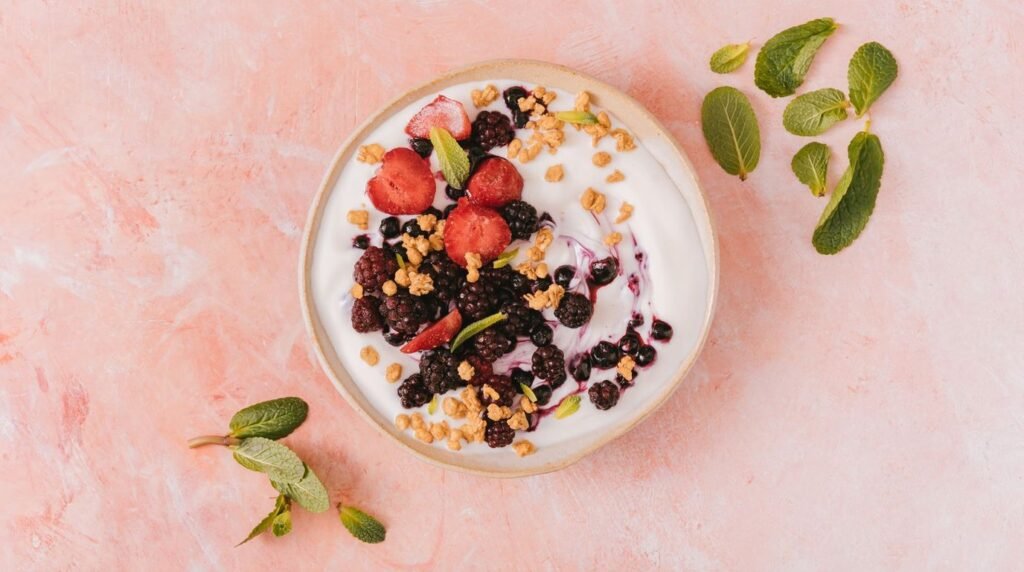

Your gut does far more than digest food. It helps you absorb nutrients, supports your immune system, and even talks to your brain through the gut-brain connection. When your gut is unhappy, you may feel bloated, tired, or uncomfortable after meals. When it is healthy, digestion feels easier and energy feels steadier. The good news is that gut health does not need expensive supplements or extreme diets. Small daily habits, repeated over weeks, can make a real difference.
What Is Gut Health?
Gut health means your digestive system is working well. Food moves through smoothly, you absorb nutrients properly, and the trillions of microbes in your gut, known as the gut microbiome, stay in balance.
These microbes include bacteria and other tiny organisms. Most are helpful. They help break down fibre, make some vitamins, protect the gut lining, and support the immune system. Problems start when the balance shifts, often after illness, antibiotics, stress, poor sleep, or a diet low in fibre and high in processed food. The signs of a healthy gut are simple: regular bowel movements, little bloating, comfortable digestion, and steady energy after meals.
Signs Your Gut May Need Support
- Bloating or gas after most meals
- Constipation, diarrhoea, or irregular bowel habits
- Heartburn or stomach discomfort
- Low energy, poor sleep, or frequent minor illness
These signs can have many causes, and some need medical care. If you have blood in your stool, unexplained weight loss, severe pain, or symptoms that last more than a few weeks, see a doctor promptly. Do not try to treat serious symptoms with diet alone.
Eat More Fibre, Slowly
Fibre is the single most useful food for gut health. It feeds helpful gut bacteria, adds bulk to stool, and helps food move through the gut at a steady pace. Most adults need around 25 to 30 grams of fibre a day, but many people eat far less.
Good sources of fibre include vegetables, especially beans, lentils, broccoli, carrots, and leafy greens; fruits such as apples, pears, berries, bananas, and oranges; whole grains, including oats, brown rice, and whole wheat bread; and nuts and seeds, such as almonds, walnuts, chia seeds, and flaxseeds.
Increase fibre slowly. Adding a lot at once can cause gas and bloating. Add one extra high-fibre food a day, drink enough water with it, and let your gut adjust over one to two weeks.
Add Fermented Foods
Fermented foods contain live microbes that can support a diverse gut microbiome. The evidence is still growing, but many people find them helpful as part of a balanced diet.
Simple options include plain yogurt and kefir with live cultures, kimchi and sauerkraut in small portions, miso and tempeh in soups and stir-fries, and kombucha, a fermented tea drink, in low-sugar versions and small portions. You do not need all of these every day. One small serving a day is a good place to start. If fermented foods upset your stomach, stop and try a different option, or talk to a dietitian.
Drink Enough Water
Most adults need around 6 to 8 glasses of fluid a day, but needs vary with heat, exercise, and body size. Plain water is best. Herbal tea and water-rich foods, such as cucumber and oranges, also count.
Move, Sleep, and Manage Stress
Your gut responds to how you live, not just what you eat. Walking after meals is one of the easiest gut-friendly habits. Even 10 to 15 minutes of gentle walking can help digestion and reduce bloating. Regular movement, such as walking, cycling, or light exercise, also supports regular bowel habits.
Poor sleep can disturb gut microbes and increase cravings for sugary, processed food. Aim for 7 to 9 hours of sleep most nights. Keep a regular bedtime, avoid screens late at night, and keep your bedroom cool and dark.
Stress can slow digestion, increase stomach acid, and change gut bacteria. Small habits help: deep breathing, short walks, time outdoors, and regular meals eaten slowly, without rushing or scrolling on your phone. Many people notice less bloating simply by eating more slowly.
Foods and Habits That Can Upset Your Gut
You do not need to ban any food completely, but these habits often make gut symptoms worse: too much processed food, which is low in fibre and high in fat, salt, and additives; too much alcohol, which can irritate the gut lining; large late meals, which can cause heartburn and poor sleep; sugar alcohols in large amounts, such as sorbitol and xylitol in sugar-free gum and sweets, which can cause bloating; and skipping meals, which makes digestion less predictable.
A helpful approach is to notice patterns. Keep a simple food and symptom note for one week. You may find that one food, such as spicy food or fizzy drinks, is the main trigger, rather than your whole diet.
A Simple Daily Gut Routine
- Morning: A glass of water, then breakfast with oats, fruit, or yogurt.
- Lunch: Half the plate vegetables, plus protein and whole grains.
- Afternoon: A short walk and a glass of water.
- Dinner: A smaller, earlier meal with vegetables and lean protein.
- Evening: A fermented food, if you like it, and a regular bedtime.
- Every day: 25 to 30 grams of fibre, enough water, and slow, mindful eating.
You do not need to do all of this perfectly. Even two or three changes, done daily, can help your gut feel better over time.
Conclusion
Good gut health comes from simple, steady habits: fibre-rich food, fermented foods, enough water, daily movement, good sleep, and less stress. There is no quick fix, and no single food will solve every digestive problem. Start small, increase fibre slowly, and give your gut time to adjust.
FAQs
1. What is the best food for gut health?
There is no single best food. A varied diet rich in fibre, vegetables, fruits, whole grains, and fermented foods supports gut health best.
2. How long does it take to improve gut health?
Many people notice small changes in one to two weeks, such as less bloating and more regular bowel habits.
3. Are probiotics better than fermented foods?
Not necessarily. Fermented foods provide microbes plus nutrients and fibre, while probiotic supplements provide specific strains in a capsule. Food-first is a good start for most healthy adults.
4. Does stress really affect digestion?
Yes. Stress can change gut movement, increase stomach acid, and disturb gut bacteria. Relaxation, sleep, and regular meals can all help digestion.
5. When should I see a doctor about gut problems?
See a doctor if you have blood in your stool, severe or ongoing pain, unexplained weight loss, persistent diarrhoea or constipation, or symptoms that last more than a few weeks.
Medical disclaimer: This article is for general information only and is not medical advice. It does not replace advice from your doctor, dietitian, or other qualified health professional. If you have ongoing digestive symptoms or a medical condition, talk to your healthcare provider before changing your diet or taking supplements.