
Introduction
Hives on skin can appear suddenly, causing itchy, raised welts that make people uncomfortable and worried about their health. The problem is that hives may result from allergies, infections, medications, stress, heat, or even unknown triggers, making it difficult to identify the exact cause. The good news is that most cases can be managed effectively through proper diagnosis, trigger avoidance, antihistamines, and preventive lifestyle measures. Understanding the symptoms, causes, and treatment options can help you control flare-ups and know when medical attention is needed.
What Are Hives on Skin?
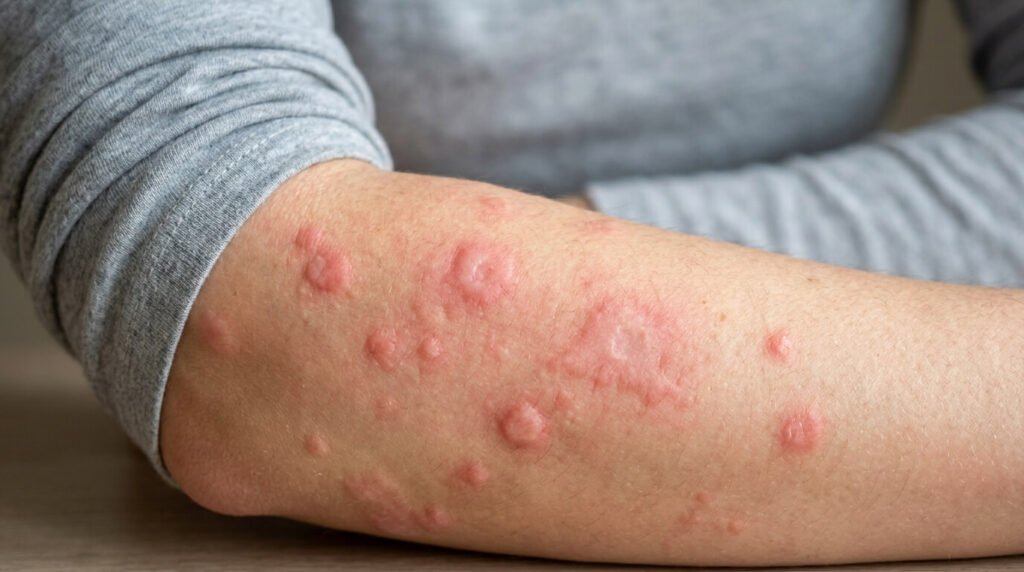
Hives, medically known as urticaria, are a common skin reaction characterized by itchy, raised welts that can appear anywhere on the body. These welts may vary in size, shape, and color depending on skin tone. Some people experience small bumps, while others develop large patches that merge together.
Hives occur when the body releases histamine and other chemicals into the bloodstream, causing fluid to leak from small blood vessels into the skin. This reaction results in swelling, redness, and itching.
What Do Hives Look Like?
The appearance of hives can differ from person to person. Common characteristics include:
- Raised, swollen welts
- Red, pink, skin-colored, or purplish patches
- Intense itching
- Round, oval, or irregular shapes
- Clusters that join together to form larger areas
- Temporary marks that often disappear within 24 hours
The welts may move from one area of the body to another and often appear suddenly.
Types of Hives on Skin
Acute Hives
Acute hives last less than six weeks and are often caused by allergies, infections, medications, or environmental triggers. Most cases resolve within days or weeks.
Chronic Hives
Chronic hives persist for more than six weeks and may continue for months or even years. In many cases, the exact cause remains unknown.
Physical Hives
Physical urticaria develops due to external triggers such as:
- Heat
- Cold
- Pressure
- Exercise
- Sunlight
- Sweating
These hives occur after exposure to specific physical conditions.
Angioedema
Angioedema is a deeper form of swelling that often affects:
- Lips
- Eyelids
- Face
- Tongue
- Throat
It may occur alongside hives and requires urgent attention if breathing becomes difficult.
Common Causes of Hives on Skin
Food Allergies
Certain foods frequently trigger hives, including:
- Peanuts
- Tree nuts
- Shellfish
- Fish
- Eggs
- Soy
- Milk
Food allergies can cause mild hives or severe allergic reactions.
Medications
Many medications are known triggers, including:
- Antibiotics
- Aspirin
- Ibuprofen
- Naproxen
- Blood pressure medications
Drug-related hives may develop within minutes or several days after use.
Infections
Viral and bacterial infections can activate the immune system and cause temporary hives. Some chronic cases may also be linked to underlying infections.
Stress and Anxiety
Emotional stress can worsen existing hives or trigger outbreaks in sensitive individuals. Many people notice flare-ups during periods of high anxiety or emotional pressure.
Environmental Triggers
Common environmental causes include:
- Pollen
- Pet dander
- Dust mites
- Latex
- Insect stings
Exposure to allergens may provoke an immune response resulting in hives.
Temperature Changes
Both hot and cold temperatures can trigger physical urticaria in some people.
Symptoms of Hives on Skin
The most common symptoms include:
- Raised welts or bumps
- Severe itching
- Burning sensation
- Skin redness
- Swelling
- Temporary skin discoloration
- Migrating rash patterns
Some people also develop angioedema, causing swelling around the eyes, lips, or throat.
Hives on Different Body Parts
Hives on the Face
Facial hives commonly appear around:
- Eyes
- Lips
- Cheeks
- Nose
Facial swelling can be alarming and sometimes indicates angioedema.
Hives on Arms and Legs
The arms and legs are frequent sites for allergic reactions, insect bites, and pressure-related hives.
Hives on the Back and Chest
Heat, sweat, exercise, and tight clothing can contribute to hives on the torso.
How Are Hives Diagnosed?
Doctors usually diagnose hives through:
Medical History Review
A healthcare provider asks about:
- Recent foods eaten
- Medications taken
- Exposure to allergens
- Symptom duration
Physical Examination
The skin is examined to identify typical hive patterns and rule out other conditions.
Allergy Testing
Skin-prick tests and blood tests may help identify triggers when allergies are suspected.
Blood Tests
Chronic hives sometimes require blood testing to check for autoimmune diseases or infections.
Treatment for Hives on Skin
Antihistamines
Antihistamines are the most common treatment for hives because they reduce the effects of histamine release. Healthcare providers frequently recommend them as first-line therapy.
Prescription Medications
For chronic or severe hives, doctors may prescribe:
- Stronger antihistamines
- Corticosteroids
- Biologic medications such as omalizumab
Treatment depends on severity and underlying causes.
Cold Compresses
Applying a cool cloth to affected areas can reduce itching and swelling.
Avoiding Triggers
Identifying and avoiding triggers is one of the most effective long-term management strategies.
Home Remedies for Hives
Many people find relief through supportive home care:
- Cool baths
- Cold compresses
- Loose-fitting clothing
- Fragrance-free skin products
- Adequate hydration
- Stress management techniques
While home remedies may reduce discomfort, persistent symptoms should be evaluated by a healthcare professional.
Prevention Tips
Preventing hives often involves reducing exposure to known triggers.
Identify Personal Triggers
Maintain a symptom diary to track:
- Foods
- Medications
- Activities
- Environmental exposures
Manage Stress
Meditation, exercise, and adequate sleep may help reduce stress-related flare-ups.
Protect Skin from Extreme Temperatures
Avoid sudden temperature changes if you are prone to heat- or cold-induced hives.
Use Gentle Skin Care Products
Choose fragrance-free products to minimize skin irritation.
When to See a Doctor
Seek medical advice if:
- Hives last more than a few days
- Symptoms frequently return
- Home treatment does not help
- Swelling affects the face or lips
- Sleep and daily activities are disrupted
Medical evaluation is especially important for chronic hives lasting longer than six weeks.
Emergency Warning Signs
Call emergency services immediately if hives occur with:
- Difficulty breathing
- Swelling of the tongue
- Swelling of the throat
- Dizziness
- Fainting
These symptoms may indicate anaphylaxis, a life-threatening allergic reaction.
Frequently Asked Questions
Can hives go away on their own?
Yes. Many cases of acute hives disappear within hours or days without treatment.
Are hives contagious?
No. Hives cannot spread from one person to another.
Can stress cause hives?
Yes. Stress is a recognized trigger that may worsen or contribute to outbreaks.
How long do hives last?
Individual welts often disappear within 24 hours, but new ones may continue appearing. Chronic hives can persist for months or years.
Conclusion
Hives on skin are a common condition that can affect people of all ages. They usually appear as itchy, raised welts caused by allergies, medications, infections, stress, or environmental factors. While many cases resolve on their own, persistent or recurring hives may require medical evaluation and treatment. Understanding your triggers, using antihistamines when appropriate, and following preventive measures can significantly reduce flare-ups and improve quality of life. If hives are accompanied by breathing difficulties or severe swelling, seek emergency medical care immediately.