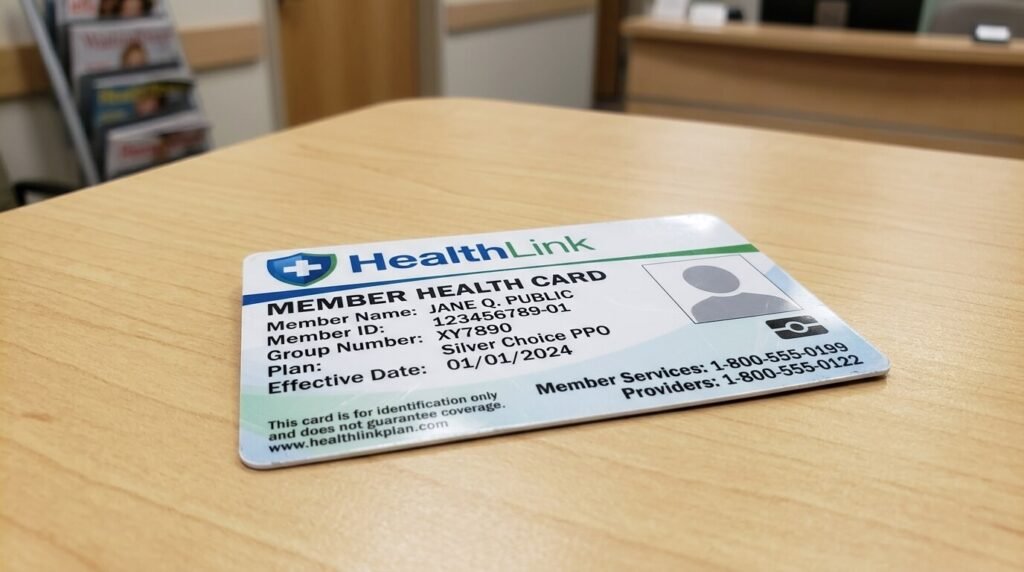

Healthcare expenses can become difficult to manage, and many people are unsure whether they qualify for support or how to begin the application process. Understanding eligibility rules and available healthcare benefits can be confusing. Fortunately, learning about the requirements, documents, and coverage options makes the process much easier. This guide explains everything in simple language so that individuals and families can make informed decisions about their healthcare needs.
What Is a Medical Card?
A medical card is a healthcare support program designed to help eligible people receive essential medical services at low or no cost. It reduces the financial burden of doctor visits, prescriptions, and hospital treatment.
The purpose of this healthcare scheme is to ensure that everyone can access important services without worrying about high expenses. Depending on the healthcare system, coverage and benefits may vary.
Why Healthcare Support Matters
Medical costs continue to rise every year. Even routine doctor visits and prescription medicines can become expensive. Healthcare assistance programs help families and individuals receive treatment when they need it most.
Some major advantages include:
- Lower healthcare expenses.
- Access to doctors and specialists.
- Reduced prescription costs.
- Better preventive care.
- Financial security during illness.
- Improved overall well-being.
Who Can Qualify?
Eligibility depends on several factors. Authorities generally consider:
Income Level
Income plays an important role in determining qualification. Lower-income households often receive priority.
Family Size
The number of family members affects income thresholds. Larger households may qualify with higher earnings.
Age
Children and older adults may receive special consideration.
Health Conditions
People with long-term illnesses or disabilities may qualify under special circumstances.
Residency Requirements
Applicants are usually required to meet residency conditions within their country.
Income Guidelines and Assessment
Income assessments help determine whether applicants qualify for assistance. Authorities may review:
- Salary and wages.
- Pension payments.
- Social welfare benefits.
- Savings and investments.
- Household expenses.
- Dependents and family circumstances.
Even if earnings exceed standard limits, exceptional financial hardship may still be considered.
Healthcare Services Covered
One of the biggest advantages of a medical card is access to a variety of healthcare services.
General Practitioner Visits
Regular doctor consultations are often available without additional costs.
Prescription Medicines
Many prescribed medicines are covered, although a small charge may apply in some cases.
Hospital Care
Public hospital services and inpatient treatment are generally included.
Outpatient Services
Follow-up appointments and specialist consultations may also be covered.
Dental Care
Basic dental examinations and necessary treatments are available in many healthcare systems.
Eye Care
Vision tests and eye-related services may be included.
Hearing Services
Hearing assessments and related support are often available.
Maternity Services
Pregnancy care and maternity services may also be covered depending on local policies.
Benefits for Individuals and Families
Healthcare support provides more than financial assistance. It also promotes better long-term health.
Reduced Financial Stress
Families spend less money on routine medical expenses.
Early Disease Detection
Regular checkups help detect illnesses before they become serious.
Better Access to Treatment
People are more likely to seek medical attention when healthcare is affordable.
Improved Quality of Life
Good health contributes to greater productivity and peace of mind.
Support During Emergencies
Unexpected illnesses and injuries become easier to manage.
Documents Needed Before Applying
Preparing documents beforehand can make the process faster.
Common requirements include:
- Identification documents.
- Proof of address.
- Income statements.
- Tax records.
- Employment details.
- Social welfare information.
- Marriage certificate if applicable.
- Birth certificates for children.
Keeping copies of all documents is recommended.
Step-by-Step Application Process
Applying for a medical card becomes easier when you follow these steps.
Step 1: Review Eligibility
Check whether your income and circumstances meet the requirements.
Step 2: Gather Supporting Documents
Collect all necessary records before starting the application.
Step 3: Complete the Application Form
Fill in the information carefully and ensure accuracy.
Step 4: Submit Your Application
Applications may be submitted online or through designated offices.
Step 5: Wait for Assessment
Authorities review the information and verify supporting documents.
Step 6: Receive Approval
Successful applicants receive confirmation and access to healthcare benefits.
How Long Does Processing Take?
Processing times vary depending on:
- Number of applications received.
- Verification procedures.
- Missing documents.
- Individual circumstances.
Providing complete information helps prevent delays.
Renewal Process Explained
Most healthcare programs require periodic renewal.
Renewal usually involves:
- Updating personal details.
- Confirming income information.
- Providing supporting documents.
- Waiting for reassessment.
Renewing early helps avoid interruptions in coverage.
Common Reasons Applications Are Rejected
Applications may be refused because of:
- Missing information.
- Incorrect details.
- Incomplete forms.
- Failure to meet residency requirements.
- Income exceeding the approved limits.
Applicants often have the option to appeal or reapply.
Tips for Faster Approval
Submit Accurate Information
Mistakes can delay the assessment process.
Include Every Required Document
Missing paperwork is one of the most common reasons for delays.
Explain Special Circumstances
Financial hardship or health conditions may strengthen an application.
Apply Early
Starting early provides enough time to resolve any issues.
Keep Copies of Everything
Copies are useful if authorities request additional verification.
Comparing Healthcare Support and Private Insurance
| Feature | Healthcare Support Program | Private Insurance |
| Monthly Cost | Low or free | Premium payments |
| Eligibility | Based on requirements | Available to most people |
| Doctor Visits | Often covered | Depends on policy |
| Hospital Care | Included | Varies |
| Prescription Drugs | Usually covered | Depends on plan |
| Extra Benefits | Limited | Broader options |
Private insurance offers additional services, while public healthcare assistance focuses on essential care.
Frequently Asked Questions
Is a medical card free?
Most services are provided at little or no cost, depending on local healthcare rules.
Can families apply together?
Yes. Household income and family size are usually assessed together.
Can applications be submitted online?
Many healthcare authorities now offer online application systems.
What if my financial situation changes?
Changes in income or family circumstances should be reported because they may affect eligibility.
Can coverage be renewed?
Yes. Most programs require periodic reviews and renewal.
Mistakes to Avoid During Application
Many people experience delays because they:
- Forget to attach documents.
- Enter incorrect income information.
- Miss deadlines.
- Ignore requests for additional information.
- Fail to update personal details.
Avoiding these mistakes increases the chances of approval.
Future of Healthcare Assistance Programs
Digital systems and online services continue to improve the application process. Many governments are investing in better healthcare access, electronic records, and faster processing systems.
As healthcare needs continue to grow, support programs are expected to become more efficient and accessible.
Conclusion
A medical card provides valuable support by helping individuals and families access affordable healthcare services. Understanding eligibility requirements, income assessments, benefits, and the application process makes it easier to obtain assistance. Preparing documents, providing accurate information, and applying early can improve approval chances. Whether you are applying for the first time or renewing coverage, staying informed helps ensure that you and your family receive the healthcare services needed for a healthier future.
The medical card remains one of the most important healthcare support options for people seeking affordable access to medical treatment and essential services.