
Introduction
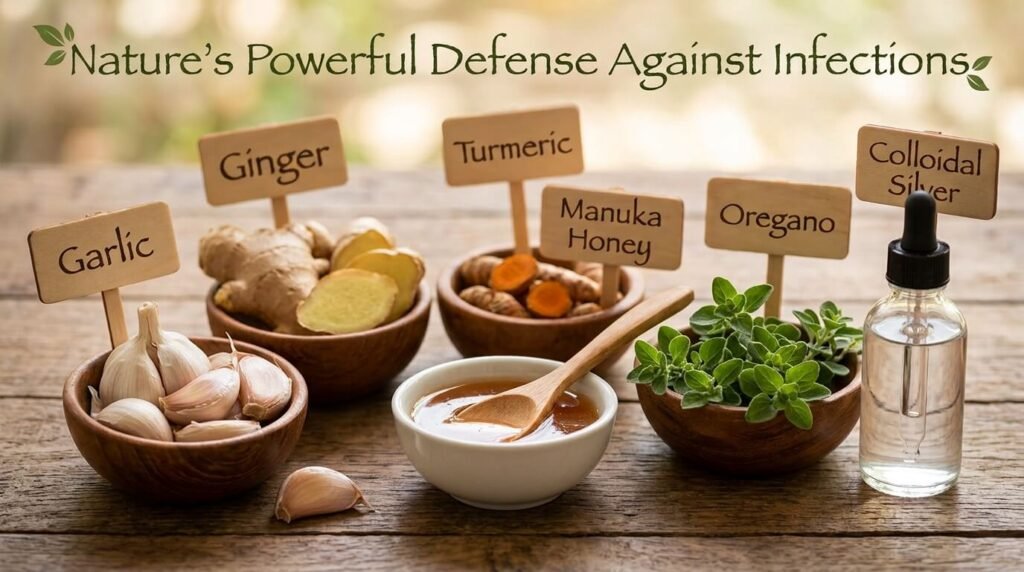
The search for natural antibiotics has grown significantly as people look for natural ways to support their immune system and maintain overall health. While prescription antibiotics remain essential for treating serious bacterial infections, many herbs, spices, and natural foods contain antimicrobial compounds that may help the body fight harmful microorganisms. These natural remedies have been used for centuries in traditional medicine and continue to attract scientific interest.
Understanding how natural antibiotics work, their benefits, limitations, and the best ways to use them can help you make informed decisions about your health. This guide explores the most effective natural options backed by research while emphasizing when professional medical care is necessary.
What Are Natural Antibiotics?
Natural antibiotics are plants, herbs, spices, and naturally occurring substances that contain compounds capable of inhibiting the growth of certain bacteria, fungi, and other harmful microorganisms. Unlike pharmaceutical antibiotics, most natural alternatives support the body’s immune system rather than replacing conventional medical treatment.
Many of these substances also provide antioxidant, anti-inflammatory, antiviral, and immune-boosting benefits, making them valuable additions to a healthy lifestyle.
How Do Natural Antibiotics Work?
Different natural antibiotics fight microbes through various mechanisms, including:
- Damaging bacterial cell walls
- Preventing bacteria from multiplying
- Reducing inflammation
- Supporting immune cell activity
- Fighting oxidative stress
- Preventing harmful biofilm formation
Because these natural compounds often contain multiple active ingredients, bacteria may find it more difficult to develop resistance compared to single-ingredient pharmaceutical antibiotics.
Best Natural Antibiotics Backed by Research
1. Garlic
Garlic is among the most well-known natural antibiotics. It contains allicin, a sulfur compound released when fresh garlic is crushed or chopped.
Benefits
- Helps combat certain bacteria
- Supports immune health
- May reduce inflammation
- Rich in antioxidants
- Supports cardiovascular health
Fresh raw garlic generally contains higher levels of beneficial compounds than cooked garlic.
2. Honey
Raw honey, particularly medical-grade varieties, has long been used to support wound healing.
Benefits
- Naturally antibacterial
- Helps maintain a moist wound environment
- Supports tissue repair
- Contains antioxidants
- May soothe sore throats
Honey’s high sugar concentration, acidity, and hydrogen peroxide production contribute to its antimicrobial properties.
3. Ginger
Ginger has been used in traditional medicine for thousands of years.
Benefits
- May inhibit bacterial growth
- Reduces inflammation
- Supports digestion
- Helps relieve nausea
- Rich in antioxidant compounds
Fresh ginger can be consumed in tea, smoothies, or meals.
4. Turmeric
Turmeric contains curcumin, one of the most studied natural compounds.
Benefits
- Anti-inflammatory effects
- Antioxidant protection
- Supports immune response
- May help fight certain microbes
Curcumin is better absorbed when consumed with black pepper.
5. Oregano Oil
Oregano oil contains carvacrol and thymol, two powerful plant compounds.
Benefits
- Strong antimicrobial activity
- May inhibit bacterial growth
- Supports respiratory health
- Rich in antioxidants
Essential oils should only be used according to professional guidance because they are highly concentrated.
6. Echinacea
Echinacea is commonly used during cold and flu season.
Benefits
- Supports immune function
- May shorten the duration of minor respiratory illnesses
- Rich in beneficial plant compounds
Research suggests its greatest benefit may come from early use during illness.
7. Clove
Cloves contain eugenol, a natural compound known for antimicrobial properties.
Benefits
- Supports oral health
- Helps reduce harmful bacteria
- Natural antioxidant
- May provide temporary pain relief
Clove oil is commonly used in dental care.
8. Cinnamon
Cinnamon contains cinnamaldehyde, which contributes to its antimicrobial activity.
Benefits
- Supports blood sugar balance
- Rich in antioxidants
- May inhibit bacterial growth
- Pleasant addition to healthy meals
Choose Ceylon cinnamon for regular consumption due to its lower coumarin content.
9. Thyme
Thyme has been valued in herbal medicine for centuries.
Benefits
- Contains thymol
- Supports respiratory wellness
- May fight harmful microbes
- Rich in antioxidants
Thyme tea remains a popular home remedy during seasonal illnesses.
10. Apple Cider Vinegar
Apple cider vinegar has natural acidic properties.
Benefits
- May help inhibit certain microorganisms
- Supports digestive health
- Useful in some food preservation methods
It should always be diluted before consumption to protect tooth enamel and the digestive tract.
Foods That Naturally Support Antibiotic Function
Besides herbs, several foods help strengthen immunity:
- Yogurt with probiotics
- Kefir
- Fermented vegetables
- Citrus fruits
- Berries
- Spinach
- Broccoli
- Green tea
- Mushrooms
- Nuts and seeds
These foods complement natural antibiotics by improving gut health and immune function.
Potential Benefits of Natural Antibiotics
Regular consumption of healthy foods containing natural antibiotics may provide several advantages:
- Supports immune defenses
- Helps maintain healthy bacterial balance
- Rich source of antioxidants
- Reduces inflammation
- Supports digestive health
- May assist wound healing
- Encourages overall wellness
These benefits work best when combined with balanced nutrition, adequate sleep, exercise, and proper hydration.
Natural Antibiotics vs Prescription Antibiotics
| Natural Antibiotics | Prescription Antibiotics |
| Plant-based compounds | Laboratory-developed medicines |
| Support overall immunity | Directly treat bacterial infections |
| Generally lower risk of resistance | Resistance may develop with misuse |
| Multiple health benefits | Target specific bacteria |
| Not suitable for severe infections | Essential for serious bacterial diseases |
Both have important roles, but they should not be viewed as interchangeable.
Are Natural Antibiotics Effective?
Research continues to investigate the effectiveness of natural antibiotics. Laboratory studies have shown promising antimicrobial activity for garlic, honey, oregano oil, turmeric, and other herbs. However, results in laboratory settings do not always translate into the same effects in humans.
Most healthcare professionals agree that natural remedies are best used as supportive measures rather than replacements for prescribed antibiotics when bacterial infections require medical treatment.
Safety Considerations
Although natural antibiotics are generally considered safe when used appropriately, they may cause side effects or interact with medications.
Possible concerns include:
- Allergic reactions
- Digestive discomfort
- Drug interactions
- Blood-thinning effects from garlic and turmeric
- Essential oil toxicity if misused
Always consult a healthcare professional before using herbal supplements, especially during pregnancy, breastfeeding, or when taking prescription medications.
When Should You See a Doctor?
Natural remedies should never delay appropriate medical care.
Seek immediate medical attention if you experience:
- High fever
- Difficulty breathing
- Severe pain
- Rapidly spreading infection
- Persistent symptoms
- Deep wounds
- Blood poisoning symptoms
Prescription antibiotics remain the gold standard for many serious bacterial infections.
Tips for Using Natural Antibiotics Safely
To maximize benefits:
- Eat a balanced diet rich in whole foods.
- Choose fresh herbs whenever possible.
- Follow recommended supplement dosages.
- Drink plenty of water.
- Prioritize sleep and regular exercise.
- Never stop prescribed antibiotics without medical advice.
- Discuss herbal supplements with your healthcare provider.
Frequently Asked Questions
Can natural antibiotics replace prescription antibiotics?
No. Natural antibiotics should not replace prescription antibiotics for serious bacterial infections. They work best as supportive health measures.
Which natural antibiotic is considered the strongest?
Garlic, oregano oil, raw honey, turmeric, and clove are among the most studied natural antibiotics for antimicrobial activity.
Can I use natural antibiotics every day?
Many foods such as garlic, ginger, turmeric, cinnamon, and yogurt can safely be included in a healthy daily diet.
Do natural antibiotics kill viruses?
Most natural antibiotics do not directly kill viruses, although some possess antiviral properties and help support immune function.
Are natural antibiotics safe for children?
Some natural foods are appropriate, but supplements and essential oils should only be used under professional medical guidance.
Conclusion
Natural antibiotics offer an impressive combination of antimicrobial, antioxidant, and immune-supporting properties that have been valued for generations. Garlic, honey, turmeric, ginger, oregano oil, thyme, clove, cinnamon, and echinacea each contribute unique health benefits that may help strengthen the body’s natural defenses.
While these natural remedies can play an important role in preventive wellness and overall immune support, they should never replace professional medical treatment when bacterial infections require prescription antibiotics. The healthiest approach combines evidence-based medicine with nutritious foods, healthy habits, and informed use of natural antibiotics to promote long-term well-being.