
Introduction
In today’s fast-paced world, many people spend most of their time indoors working on computers, attending meetings, and dealing with daily stress. Studies show that the average person spends a large portion of their time inside, which can lead to stress, fatigue, and a lack of connection with nature.
This disconnect makes it difficult for people to maintain outdoor lifestyles, even though spending time outside is essential for physical and mental well-being. The solution is to intentionally balance work responsibilities with time in nature. By adopting simple habits such as outdoor exercise, weekend adventures, and nature-focused routines, individuals can create a healthier and more sustainable outdoor lifestyle while still maintaining productivity at work.
Why Outdoor Lifestyles Matter in Modern Life
The modern world has changed how people live and work. Technology has increased productivity but also increased screen time and indoor living. Many professionals now spend long hours sitting in offices or working remotely from home.
Adopting outdoor lifestyles helps restore balance in this environment. Spending time outdoors improves mood, boosts energy, and helps people reconnect with nature. Research shows that outdoor experiences can positively impact physical health, mental well-being, and social connection.
When people regularly include outdoor activities in their routine, they often feel more motivated and refreshed.
The Health Benefits of Spending Time in Nature
One of the most powerful reasons to adopt an outdoor living lifestyle is the impact nature has on health. Scientific studies show that time spent outdoors can reduce stress levels and improve emotional well-being.
Nature exposure offers several benefits:
- Reduced stress and anxiety
- Improved mood and mental clarity
- Better physical fitness
- Increased energy levels
- Improved sleep quality
Outdoor exercise also increases exposure to natural sunlight and fresh air, which can boost vitamin D levels and support the immune system.
Because of these benefits, health experts increasingly encourage people to spend more time outdoors as part of a healthy routine.
Embrace Outdoor Exercise
One of the easiest ways to develop a healthy outdoor lifestyle is through regular outdoor exercise. Activities such as walking, running, hiking, or cycling combine physical fitness with the calming effects of nature.
Even simple activities can make a difference. A short walk in a park during lunch breaks or practicing yoga in a garden can help reduce stress and improve mood.
Outdoor exercise also adds variety to workouts. Natural terrain like hills, trails, and sand increases workout intensity and can improve overall fitness levels.
By replacing some indoor workouts with outdoor activities, people can enjoy the benefits of both fitness and nature.
Create a Green Space at Home
Not everyone has easy access to mountains, forests, or large parks. However, small changes at home can still support an outdoor lifestyle.
Creating a green environment can include:
- Adding indoor plants
- Building a small garden
- Creating a balcony garden
- Spending time in nearby parks
Even a small connection to nature can reduce stress and create a more peaceful living environment.
These small steps help maintain a sense of nature even for people living in urban environments.
Build Outdoor Habits into Your Routine
One challenge many people face when adopting outdoor lifestyles is consistency. While most people enjoy being outside, busy schedules often make it difficult to maintain outdoor habits.
Research suggests that spending around 120 minutes per week in nature can significantly improve physical and mental health.
To develop consistent habits:
- Schedule outdoor time in your weekly calendar
- Walk or cycle instead of driving short distances
- Spend weekends exploring natural areas
- Join outdoor groups or communities
Choosing activities that you genuinely enjoy makes it easier to maintain long-term outdoor routines.
Over time, these habits can become a natural part of your daily routine.
Choose Outdoor Activities You Enjoy
An active outdoor lifestyle should be enjoyable rather than stressful. When people choose activities they love, they are more likely to continue them.
Popular outdoor activities include:
- Hiking
- Camping
- Cycling
- Kayaking
- Running
- Nature photography
Participating in enjoyable activities helps people stay motivated while also improving their physical fitness.
Outdoor hobbies also provide opportunities to explore new places and build meaningful experiences.
Mental Health Benefits of Outdoor Living
Modern work environments can create significant stress and mental fatigue. Spending time in nature can provide emotional relief and help people relax.
Studies show that outdoor environments can reduce anxiety and improve mood by increasing natural serotonin levels in the body.
Activities such as hiking, walking in forests, or simply sitting in a park can help people feel calmer and more focused.
These benefits make outdoor lifestyles an important tool for maintaining mental health in busy modern societies.
Balancing Work and Nature
Many professionals believe they are too busy to spend time outdoors. However, balancing work and nature does not require major lifestyle changes.
Simple strategies include:
- Taking walking meetings
- Spending lunch breaks outdoors
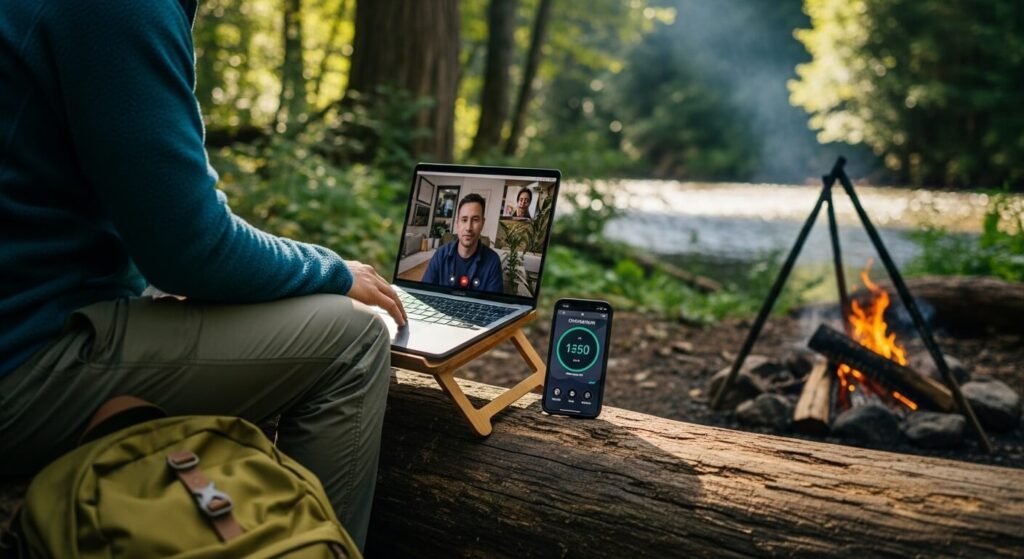
- Working remotely from parks or outdoor cafés
- Planning weekend nature trips
These small changes allow people to enjoy nature without sacrificing productivity.
By making nature part of daily routines, individuals can maintain a healthier balance between work and personal life.
Outdoor Community and Social Connections
Outdoor activities also create opportunities to build social connections. Many communities organize outdoor events such as hiking groups, cycling clubs, and nature retreats.
Group outdoor experiences can improve motivation and make activities more enjoyable.
Programs that encourage outdoor participation have shown positive results in improving confidence, social relationships, and emotional well-being.
These social experiences strengthen the sense of community while encouraging healthy lifestyles.
Sustainable Living and Environmental Awareness
Another benefit of an outdoor living lifestyle is increased awareness of environmental protection. People who spend more time in nature often develop stronger connections to the environment.
This awareness encourages sustainable habits such as:
- Reducing waste
- Recycling gear and equipment
- Protecting natural spaces
- Supporting environmental organizations
Outdoor enthusiasts often prefer eco-friendly products and second-hand gear to reduce environmental impact.
These choices help protect the natural spaces people enjoy.
Overcoming Challenges of Outdoor Lifestyles
Although outdoor living offers many benefits, there are some challenges.
Common barriers include:
- Busy work schedules
- Lack of access to natural spaces
- Weather conditions
- Limited outdoor experience
Fortunately, these challenges can be overcome with planning and creativity. Even short outdoor breaks can provide significant health benefits.
People can start small by spending a few minutes outside each day and gradually increasing their time outdoors.
The Future of Outdoor Lifestyles
In recent years, interest in outdoor lifestyles has grown significantly. Many people now recognize the importance of balancing technology with nature.
Companies, health organizations, and governments are encouraging outdoor activities as part of wellness programs.
Research continues to show that nature exposure improves overall health, productivity, and happiness.
As awareness grows, outdoor living is likely to become an even more important part of modern life.
Conclusion
Balancing work and nature is one of the most effective ways to improve overall well-being. Modern lifestyles often keep people indoors for long hours, leading to stress, fatigue, and reduced physical activity.
By adopting outdoor lifestyles, individuals can reconnect with nature and create healthier routines. Outdoor exercise, green spaces, weekend adventures, and social outdoor activities all contribute to a balanced life.
Developing a healthy outdoor lifestyle does not require drastic changes. Small daily habits—such as walking outside, exploring nature, or enjoying outdoor hobbies—can significantly improve physical health, mental well-being, and overall happiness.
Ultimately, finding harmony between work responsibilities and time in nature allows people to live more energized, balanced, and fulfilling lives.
Frequently Asked Questions (FAQs)
1. What are outdoor lifestyles?
Outdoor lifestyles focus on spending time in nature through activities like hiking, cycling, walking, or camping. They improve physical health, mental well-being, and overall life balance.
2. How can I maintain an active outdoor lifestyle with a busy job?
You can maintain an active outdoor lifestyle by taking walking breaks, scheduling lunch outdoors, exercising before or after work, or planning weekend nature trips. Even short outdoor sessions help improve health and focus.
3. What is the difference between an outdoor lifestyle and outdoor living lifestyle?
An outdoor lifestyle emphasizes regular interaction with nature for health and recreation. An outdoor living lifestyle includes integrating outdoor spaces into daily life, such as gardens, balconies, patios, and home green spaces.
4. Why is a healthy outdoor lifestyle important?
A healthy outdoor lifestyle reduces stress, boosts mood, enhances energy, and supports physical fitness. Spending time in nature improves mental clarity and helps people maintain a balanced life.
5. How can I start an outdoor lifestyle in a city environment?
Even in cities, you can adopt an outdoor lifestyle by visiting local parks, walking or cycling to work, creating small green spaces at home, or joining community outdoor activities.
6. What outdoor activities are best for beginners?
Beginners can try walking, jogging, cycling, yoga in parks, or weekend hiking. Choosing activities you enjoy makes it easier to maintain a consistent active outdoor lifestyle.
7. Can outdoor lifestyles help with work-life balance?
Yes. Incorporating nature into daily routines helps manage stress, improves focus, and enhances mental well-being, making it easier to balance work and personal life.
8. How often should I spend time outdoors for health benefits?
Experts recommend at least 120 minutes per week in nature. Even short daily breaks, like 10–15 minutes outdoors, contribute to a healthier outdoor living lifestyle.
9. Are outdoor lifestyles suitable for families?
Absolutely. Families can enjoy outdoor lifestyles by walking in parks, camping, cycling, or exploring nature trails together. Outdoor activities promote bonding and healthy habits.
10. How do outdoor lifestyles impact mental health?
Spending time outdoors reduces anxiety, improves mood, increases focus, and provides a natural way to relieve stress. A consistent healthy outdoor lifestyle is highly beneficial for mental wellness.